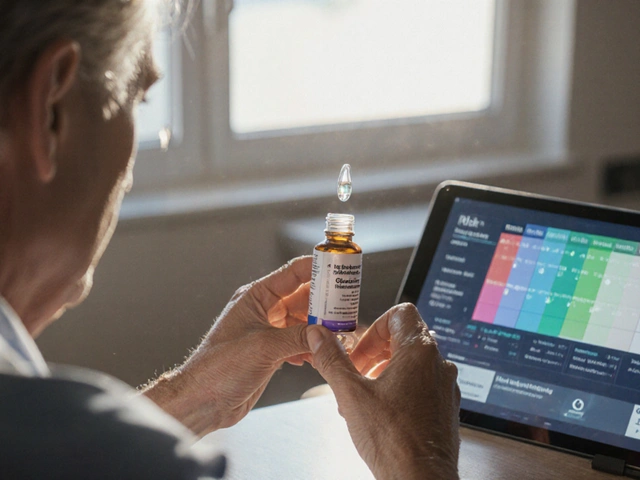
You reach for that bottle of Ginkgo biloba to help with your memory or circulation. It feels natural. It’s been around for millions of years. But if you are also taking a blood thinner like warfarin, aspirin, or clopidogrel, that simple habit might be hiding a serious risk. The question isn’t just whether they interact-it’s how dangerous that interaction can be for someone in your specific situation.
The medical world is currently split on this issue. Some experts say the risk is theoretical and minimal if you use standardized extracts. Others point to real-world cases of severe bleeding, including brain hemorrhages. This confusion leaves patients guessing. Do you stop the herb? Do you keep it? Or do you monitor your levels more closely? Let’s cut through the noise and look at what the science actually says about mixing these two powerful substances.
Why Ginkgo Affects Your Blood Clotting
To understand the risk, you first need to know what Ginkgo biloba is doing inside your body. Derived from the leaves of the maidenhair tree, one of the oldest living tree species dating back 270 million years, this extract is famous for cognitive support. However, its mechanism goes beyond just helping you remember names.
Research published in Frontiers in Pharmacology by Tan et al. (2011) explains that Ginkgo biloba extract (GBE) works by blocking platelet-derived growth factors. Specifically, it inhibits tyrosine kinase, which stops thrombin-induced platelet activation and aggregation. In plain English, it makes your platelets-the cells responsible for clumping together to stop bleeding-less sticky.
When you take a blood thinner, you are already chemically preventing clots from forming too easily. Adding Ginkgo is like adding a second layer of prevention. While this might sound beneficial for circulation, it tips the balance toward excessive bleeding. Furthermore, Ginkgo affects the enzyme CYP2C9 in your liver. This enzyme helps process drugs like warfarin. If Ginkgo alters how fast or slow this enzyme works, it can change the concentration of the blood thinner in your blood, potentially making the drug stronger than intended.
The Conflict: Clinical Trials vs. Real-World Cases
If you read medical literature, you will notice a strange contradiction. Controlled clinical trials often show no significant danger, yet hospital emergency rooms report serious incidents. Why does this gap exist?
A comprehensive review by Izzo et al. (2008) in PubMed concluded that controlled studies consistently indicate Ginkgo does not significantly impact haemostasis (the process of stopping bleeding) when taken with aspirin or warfarin. These studies usually used EGb 761, a highly standardized extract containing exactly 24% flavonol glycosides and 6% terpene lactones. This specific formulation accounts for about 70% of global sales as of 2023.
However, case reports tell a different story. The FDA has received 18 case reports of bleeding events possibly associated with Ginkgo between 2008 and 2020. While causality was never definitively proven in every single case, the pattern is worrying. A critical distinction identified in these reviews is that most adverse events involved non-standardized or poorly characterized Ginkgo products. If you are buying a generic brand from a gas station rather than a pharmaceutical-grade EGb 761 product, the amount of active ingredients varies wildly. This variability is likely why some people bleed uncontrollably while others in clinical trials remain fine.
Specific Drug Interactions You Must Know
Not all blood thinners react the same way. Understanding which medication you are on changes the level of caution required. Here is how Ginkgo interacts with the most common anticoagulants and antiplatelets:
| Medication Type | Common Names | Risk Level | Clinical Recommendation |
|---|---|---|---|
| Vitamin K Antagonists | Warfarin (Coumadin, Jantoven) | High | Avoid combination; requires strict INR monitoring if continued. |
| P2Y12 Inhibitors | Clopidogrel (Plavix) | Moderate | Prescriber approval needed; watch for bruising. |
| Antiplatelets | Aspirin | Moderate | Monitor for signs of prolonged bleeding. |
| DOACs | Apixaban, Rivaroxaban | Moderate | Consult doctor; limited data but theoretical risk exists. |
According to GoodRx’s 2024 guidance, warfarin is classified as a "high-risk" interaction where Ginkgo should ideally be avoided entirely. For aspirin and clopidogrel, the risk is moderate, meaning you can potentially take them together only under strict medical supervision. A 2020 study in PLOS ONE found that 18% of prescriptions involving direct oral anticoagulants (DOACs) had potential interactions with herbs like Ginkgo, highlighting how common this overlap is in daily practice.

What Major Health Institutions Say
Because the evidence is mixed, major health organizations have adopted cautious stances. It is crucial to know who is advising you and why.
The Mayo Clinic (2023) states unequivocally that Ginkgo biloba may raise your risk of bleeding if you take blood thinners like aspirin, clopidogrel, or warfarin. They list it as a clear warning. Similarly, the Cleveland Clinic lists taking blood thinner medications as a specific contraindication for Ginkgo use. Their patient education materials advise against combining the two without explicit doctor approval.
On the other side, the American College of Chest Physicians (2021) acknowledges the theoretical risk but states that routine discontinuation of Ginkgo biloba is not recommended due to a lack of strong evidence. This creates a disconnect. While guidelines say "don't worry unless necessary," individual practitioners often act differently. A 2022 survey of 500 pharmacists found that 78% routinely counsel patients about these interactions, and 63% recommend stopping the herb before any surgical procedure.
This divergence means you cannot rely on a general internet search. You must talk to the person managing your specific prescription. Electronic health record systems like Epic and Cerner now trigger alerts for these combinations, forcing doctors to consciously decide whether the benefit of the herb outweighs the bleeding risk.
Surgical Precautions and Discontinuation Timelines
If you are planning any surgery, dental work, or invasive procedure, Ginkgo becomes a significant logistical issue. Even if you take it safely every day, the cumulative effect on platelet function can lead to excessive bleeding during an operation.
Expert opinions vary slightly on how long you should stop taking it. Dr. Michael Murray, Director of Product Science at Natural Factors, recommends discontinuing Ginkgo at least 36 hours before surgery. However, Dr. Tieraona Low Dog, Chief Medical Officer of Arizona Integrative Health Center, advocates for a longer window. The American Society of Anesthesiologists’ 2022 guidelines suggest stopping Ginkgo biloba at least 2 weeks before using anticoagulant or antiplatelet medications or undergoing surgery. This two-week period allows your platelet function to return to baseline and ensures the herb is fully cleared from your system.
Failing to disclose Ginkgo use to your surgeon or anesthesiologist is dangerous. Many patients forget to mention herbal supplements because they don’t consider them "real" medicine. Always bring a complete list of everything you ingest, including vitamins and teas, to your pre-operative appointment.

Practical Steps for Safe Use
If you want to continue using Ginkgo biloba while on blood thinners, you need a strategy. Blindly continuing both without monitoring is risky. Here is a practical approach based on current best practices:
- Verify the Extract Type: Ensure you are using a standardized extract like EGb 761. Avoid raw leaf powders or unstandardized blends, as their potency is unpredictable.
- Monitor Coagulation Markers: If you are on warfarin, check your INR (International Normalized Ratio) frequently after starting or stopping Ginkgo. Look for sudden spikes or drops.
- Watch for Physical Signs: Be alert for unusual bruising, nosebleeds that won’t stop, bleeding gums, or red/pink urine. These are early warnings of excessive anticoagulation.
- Consult Your Pharmacist: Before buying any new supplement, ask your pharmacist to run a drug interaction check. They have access to databases that flag high-risk combinations instantly.
- Keep a Log: Track your dosage and any minor bleeding events. This data helps your doctor determine if the herb is affecting your stability.
The Institute for Safe Medication Practices (ISMP) includes Ginkgo biloba on its 2023 list of high-alert herbal products. Treating it with the same respect as a prescription drug is the safest mindset.
Frequently Asked Questions
Can I take Ginkgo biloba with Warfarin?
It is generally advised to avoid taking Ginkgo biloba with Warfarin due to a high risk of bleeding. Ginkgo can inhibit platelet aggregation and affect the metabolism of Warfarin via the CYP2C9 enzyme, potentially increasing the drug's effect and leading to dangerous hemorrhaging. If you must take both, require frequent INR monitoring from your healthcare provider.
How long before surgery should I stop taking Ginkgo?
Most medical guidelines, including those from the American Society of Anesthesiologists, recommend discontinuing Ginkgo biloba at least 2 weeks before any surgical procedure. This timeframe allows your platelet function to normalize and reduces the risk of excessive bleeding during and after the operation.
Does Ginkgo interact with Aspirin?
Yes, Ginkgo can interact with Aspirin. Both substances have antiplatelet effects, meaning they prevent blood cells from sticking together. Taking them together increases the risk of bruising and bleeding. While some controlled studies show minimal impact, clinical caution is recommended, and you should consult your doctor before combining them.
Are there safer alternatives to Ginkgo for memory support?
If you are on blood thinners, consider discussing alternatives like Omega-3 fatty acids (though high doses can also affect bleeding), Vitamin B12, or lifestyle interventions such as aerobic exercise and cognitive training. Always verify with your doctor, as even dietary supplements like garlic or ginseng can have mild blood-thinning properties.
What are the signs of a serious Ginkgo-blood thinner interaction?
Signs include unexplained or large bruises, frequent nosebleeds, bleeding gums when brushing teeth, blood in urine or stool, prolonged bleeding from minor cuts, and severe headaches (which could indicate intracranial bleeding). If you experience any of these, seek medical attention immediately.