
When hepatitis C was first diagnosed, most people were told they’d live with it for life. Treatment meant weekly injections, months of brutal side effects, and barely a 50% chance of clearing the virus. That was the norm until 2013, when everything changed. Today, hepatitis C cure rates with direct-acting antivirals (DAAs) exceed 95% - and in many real-world studies, they hit 97%. This isn’t science fiction. It’s happening right now, in clinics from Bristol to Boston. But here’s the catch: knowing you can be cured doesn’t mean you will be.
How DAAs Changed Everything
Before DAAs, hepatitis C treatment relied on interferon and ribavirin. These drugs didn’t target the virus directly. They tried to force your immune system to fight it - often with devastating results. Patients endured severe fatigue, depression, anemia, and flu-like symptoms for up to a year. Even then, only 40% to 60% cleared the virus.
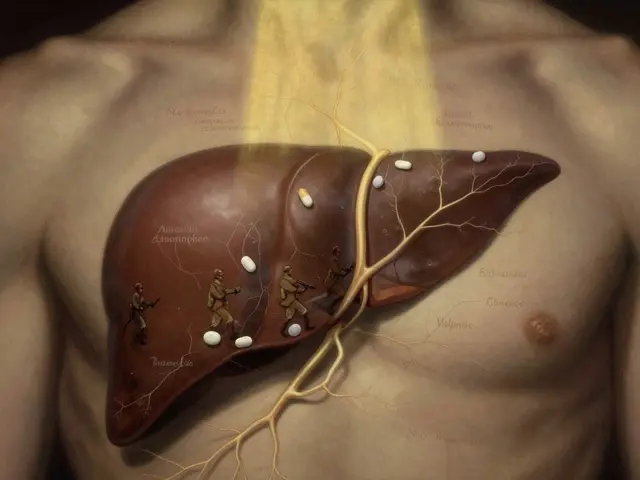
DAAs changed that. Instead of attacking the immune system, they attack the virus itself. Each drug blocks a specific protein the hepatitis C virus needs to copy itself. No more injections. No more months of suffering. Just one pill a day, for 8 to 12 weeks. The result? Over 95% of people achieve what doctors call a sustained virologic response (SVR) - meaning the virus is undetectable 12 weeks after treatment ends. That’s a cure.
Multiple DAA combinations are now used worldwide. Sofosbuvir-velpatasvir, glecaprevir-pibrentasvir, and sofosbuvir-velpatasvir-voxilaprevir are the most common. They’re all pangenotypic, meaning they work against every major strain of hepatitis C, no matter where you’re from or what genotype you have. This is huge. In the past, treatment depended on knowing your exact virus type. Now, doctors don’t need to. That’s why even primary care providers can manage most cases today.
Cure Rates Across Real-World Populations
Lab results are one thing. Real people are another. A U.S. study tracking over 6,600 insured patients between 2014 and 2021 found that 97.3% achieved SVR after DAA treatment. That’s not a clinical trial. That’s everyday care - given by general practitioners, clinics, and community health centers. The same high cure rates hold true for people with HIV co-infection, people who inject drugs, and those with advanced liver disease.
Even in patients with cirrhosis, where treatment used to be risky and less effective, DAAs still work. One study showed 96.7% cure rates in those without cirrhosis and 87.1% in those with cirrhosis. That’s not perfect, but it’s far better than the 20% to 30% success rates of old treatments. And for people with decompensated cirrhosis - the most serious stage - cure still improves survival. One study showed liver function improved after treatment, and the risk of liver failure or death dropped significantly.
But here’s the problem: people with advanced liver disease are the least likely to get treated. A major U.S. study found that patients with decompensated cirrhosis or liver cancer were 30% less likely to receive DAAs than those with milder disease. Why? Because doctors sometimes assume they’re too sick. Or because the system doesn’t prioritize them. That’s not just a medical gap - it’s a moral one.
Why Cure Rates Are So High - And Why They Should Be Higher
DAAs work because they’re precise. They don’t waste energy on your immune system. They don’t damage healthy cells. They lock onto the virus and stop it dead. That’s why side effects are mild: headaches, fatigue, nausea - nothing compared to interferon. Most people finish treatment without missing work or stopping daily life.
And the benefits go beyond the liver. People who are cured of hepatitis C have lower rates of kidney disease, heart problems, and certain cancers. One study found that those who achieved SVR had 30% fewer cases of chronic kidney disease than those who weren’t treated. That’s not a side effect - it’s a life saved.
But cure rates only tell half the story. The other half is access. In high-income countries, DAAs are widely available. In low- and middle-income countries, only half have government reimbursement for treatment. Even in the U.S., only 23% of Medicaid patients get treated within a year of diagnosis. Less than one in three people with private insurance get treated at all.
Cost used to be the biggest barrier. When DAAs first launched in 2013, a 12-week course cost $84,000. Today, generic versions cost as little as $260 in some countries. But in the U.S., even with generics, insurance hurdles, prior authorizations, and specialist requirements still block access. Many patients give up before they even start.

Who Gets Left Behind?
It’s not random who misses treatment. It’s systemic. People on Medicaid, homeless individuals, incarcerated people, and those in rural areas are far less likely to get DAAs. In the U.S., patients in the Northeast and Midwest are 20-30% more likely to be treated than those in the West - even when you control for income, race, and disease severity. That’s not about medical need. That’s about where you live.
And then there’s the pandemic effect. After 2019, treatment rates dropped. Clinics closed. Screenings stopped. People with hepatitis C fell through the cracks. By 2020, only 65% of people with active virus got treated. That’s a failure of the system, not the medicine.
Even worse, many people don’t know they’re infected. Hepatitis C often has no symptoms for decades. By the time someone feels sick, the liver is already damaged. That’s why screening is so critical. The CDC recommends one-time testing for everyone born between 1945 and 1965 - and anyone with risk factors like past drug use or blood transfusions before 1992. But most people never get tested.
What’s Next for Hepatitis C?
The World Health Organization wants to eliminate hepatitis C as a public health threat by 2030. That means reducing new infections by 90% and cutting deaths by 65%. We have the tools. We have the cure. What we don’t have is the will.
Some countries are leading the way. Egypt cut its hepatitis C rates by 90% in five years by making DAAs cheap and widely available. Georgia became the first country to treat over 90% of diagnosed cases. They didn’t wait for perfect systems. They built simple ones: mobile clinics, community health workers, no-bureaucracy prescriptions.
In the U.S., some states are following. But progress is slow. The biggest obstacle isn’t the drug. It’s the belief that hepatitis C is someone else’s problem. That it only affects drug users. That it’s too expensive. That it’s too late for people with cirrhosis.
It’s not. The science is clear. The cure works. The question now is: who gets to benefit?

What You Should Do If You Have Hepatitis C
If you’ve been diagnosed with hepatitis C, here’s what matters now:
- Don’t wait. Even if you feel fine, the virus is still damaging your liver.
- Ask for a DAA regimen. Your doctor doesn’t need to be a liver specialist to prescribe it.
- Get tested for liver damage. A simple blood test (FIB-4) or ultrasound can show if you have fibrosis or cirrhosis.
- Ask about cost. Generic DAAs are available in the U.S. for under $1,000 with patient assistance programs.
- Get screened if you haven’t been. If you were born between 1945 and 1965, or have ever used injectable drugs, get tested - even once.
There’s no reason to live with hepatitis C anymore. The cure exists. The question is whether you’ll ask for it.
Can hepatitis C be cured completely with DAAs?
Yes. Direct-acting antivirals (DAAs) cure more than 95% of people with hepatitis C. A sustained virologic response (SVR), meaning the virus is undetectable 12 weeks after treatment ends, is considered a cure. Real-world data from large U.S. studies show cure rates as high as 97%.
How long does DAA treatment take?
Most DAA treatments last 8 to 12 weeks. Some patients with mild disease and no cirrhosis can be treated in as little as 8 weeks. Treatment length depends on the specific drug combination, whether you’ve been treated before, and the extent of liver damage. Your doctor will choose the right regimen based on your health history.
Are DAAs effective for people with cirrhosis or HIV co-infection?
Yes. DAAs work well even in people with advanced liver disease, including cirrhosis and decompensated liver failure. Cure rates are slightly lower in cirrhosis - around 87% - but still far better than older treatments. For people with HIV and hepatitis C co-infection, cure rates match those of people with hepatitis C alone. Guidelines now treat both conditions together without extra complexity.
Why aren’t more people getting treated if DAAs are so effective?
The biggest barriers are access and awareness. Many people don’t know they’re infected. Others face insurance hurdles, high out-of-pocket costs, or lack of provider knowledge. In the U.S., only 23% of Medicaid patients receive treatment within a year of diagnosis. In low-income countries, only half of nations reimburse DAAs, and many require specialist approval - creating delays or denial.
What are the side effects of DAAs?
DAAs are among the safest medications ever developed for chronic illness. Side effects are usually mild: headache, fatigue, or nausea. Serious side effects are rare. Unlike older interferon treatments, DAAs don’t cause depression, severe anemia, or flu-like symptoms. Most people complete treatment without interruption.
Can you get hepatitis C again after being cured?
Yes. Being cured doesn’t make you immune. You can be reinfected if you’re exposed again - for example, through sharing needles or unsterile medical equipment. That’s why harm reduction and ongoing screening matter, especially for people who continue to use injectable drugs or have other risk factors.
Is hepatitis C screening recommended for everyone?
The CDC recommends one-time hepatitis C screening for all adults aged 18 to 79, and for anyone with risk factors - including past or current injection drug use, tattoos from unregulated settings, blood transfusions before 1992, or being born to a mother with hepatitis C. Many people with the virus have no symptoms for decades, so screening is the only way to find it early.
Final Thoughts
Hepatitis C is no longer a life sentence. It’s a treatable infection - one that can be cleared with a simple course of pills. The cure is here. The question isn’t whether it works. It’s whether we’ll make sure everyone who needs it can get it.




Jeffrey Frye
DAAs are great and all, but let’s be real-most people don’t even know they have it until their liver is basically a brick. I got tested after my cousin died from cirrhosis. Turns out I’d had it for 12 years and never felt a thing. Why isn’t this just part of every physical? Like, why do we still treat it like some dirty secret?
Andrea Di Candia
It’s honestly one of the most hopeful medical stories of our time. We went from people being told they’d die with this virus to being able to cure it with a pill you swallow before breakfast. And yet, we’re still letting people fall through the cracks. I don’t think it’s about cost anymore-it’s about who we decide is worth saving. We know how to fix this. We just have to choose to.
Pankaj Chaudhary IPS
In India, we’ve made incredible progress in rural outreach-mobile vans, community health workers, and free testing camps. The real challenge isn’t the medicine, it’s the stigma. Many think hepatitis C is only for drug users, so people hide their diagnosis. We need more education, not just more pills. The cure is here. Now we need the courage to talk about it.
Steven Mayer
SVR rates are statistically significant, but the clinical utility of DAAs in populations with comorbidities remains underpowered in real-world datasets. The confounding variables-adherence, pharmacokinetic variability, and hepatic metabolism-are rarely accounted for in aggregated reporting. We’re overestimating efficacy due to selection bias in observational cohorts.
Charles Barry
97% cure rate? LOL. That’s the pharma’s marketing number. The real data? Half the people who start treatment never finish because the side effects are worse than the disease. And don’t get me started on the FDA-these drugs were fast-tracked because they’re profit machines. They don’t care if you live or die, as long as your insurance pays. They’re selling a cure, not health.
Rosemary O'Shea
Oh, how quaint. We’ve moved from injecting interferon to swallowing a tiny white pill and calling it a revolution. But let’s not pretend this isn’t just another capitalist triumph disguised as medicine. Who gets the cure? The insured. The privileged. The ones who can navigate the labyrinth of prior authorizations. The rest? They’re just collateral damage in the grand scheme of shareholder value.
Sidra Khan
Okay but like… why are we even talking about this? I’ve never met anyone with Hep C. Who even gets this anymore? It’s not like it’s spreading through TikTok or something. Can we move on to something actually relevant?
Lu Jelonek
Just wanted to add-many clinics now offer same-day DAA prescriptions with no specialist referral. If you’re on Medicaid, ask for the patient assistance program. Generic sofosbuvir/velpatasvir is under $300 if you know where to look. I’ve helped over 20 people get treated just by showing them the forms. It’s not magic-it’s just knowing where to look.
Ademola Madehin
Bro, I had it. Took the pills. Done. No drama. No crying. No drama. Just took it like a man. Now I’m clean. And I’m telling you-don’t wait like I did. My liver was screaming for years and I thought it was just stress. Stupid. Don’t be stupid.
suhani mathur
Wow, so we’ve got a cure but still treat it like it’s 1998? I’m shocked. Shocked, I tell you. Next you’ll tell me we’re still using fax machines for prescriptions. At this point, the real virus isn’t HCV-it’s the bureaucracy.
Joseph Manuel
While the efficacy of DAAs is well-documented in controlled settings, the extrapolation of 97% cure rates to heterogeneous populations-particularly those with advanced fibrosis, non-adherence, or substance use disorders-requires cautious interpretation. The literature demonstrates significant heterogeneity in outcomes, which may not be fully captured by aggregate metrics. Further stratification is warranted.