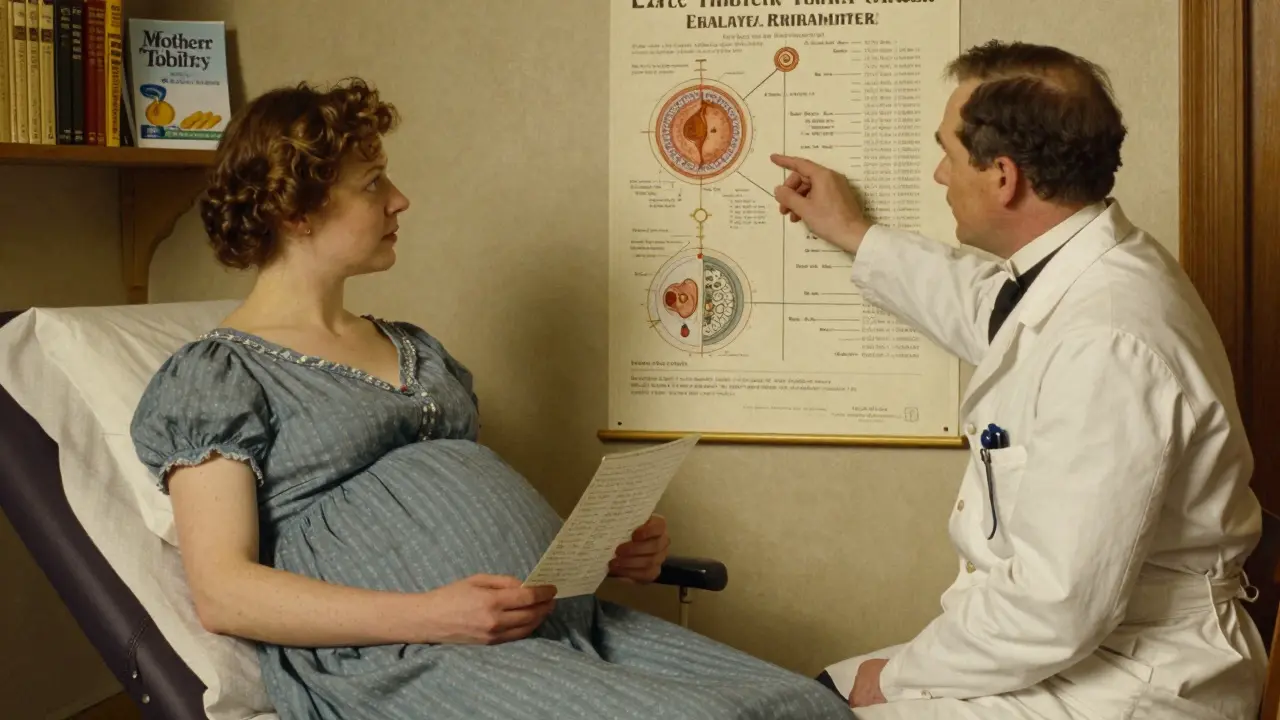
When you're pregnant or planning to breastfeed, taking any medication - even something as simple as ibuprofen or a daily vitamin - isn't just a personal choice anymore. It’s a conversation that needs to happen with your provider, and it needs to be clear, honest, and ongoing. Too often, people are told to stop their meds “just in case,” without understanding the real risks of stopping versus continuing. That’s not safety - that’s fear. Real medication safety means knowing the facts, weighing the options, and making decisions together.
Why This Conversation Can’t Wait
About 90% of pregnant people in the U.S. take at least one medication during pregnancy. That’s not unusual - it’s normal. Many manage chronic conditions like asthma, depression, high blood pressure, or thyroid disease. Stopping those meds can be more dangerous than keeping them. One study found that 40% of pregnant patients quit their necessary medications on their own because they were scared, not because their provider advised it. That’s a huge gap. And it’s why structured conversations matter. The old A, B, C, D, X risk categories for drugs during pregnancy? They’re gone. Since 2015, the FDA replaced them with more detailed, narrative-based labeling. That means you won’t see a simple “Category C” on a pill bottle anymore. Instead, you’ll get clearer info: what’s known from human studies, what’s seen in animals, and how the drug behaves in the body. But that’s only useful if your provider explains it - and most don’t.When to Start Talking
This isn’t a one-time check-in. It’s three key moments:- Before you get pregnant: If you’re trying to conceive, review all your meds - prescriptions, OTCs, supplements - with your provider. Some drugs need to be switched out months ahead. For example, isotretinoin (Accutane) causes severe birth defects. You need to stop it at least a month before trying, and use two forms of birth control during treatment. The iPLEDGE program made this mandatory, and it cut pregnancy exposures by 86%.
- During pregnancy: Every prenatal visit should include a quick med check. Not just “Are you still taking your pills?” but “Why are you taking it? Is it still helping? Any side effects?” The CDC recommends this be done at every visit, especially if you’re on more than three medications. Polypharmacy affects nearly 1 in 4 pregnant people with chronic conditions. Each extra drug adds complexity.
- After birth, while breastfeeding: What’s safe in pregnancy isn’t always safe while nursing. Some drugs pass into breast milk more easily than others. LactMed, a free database from the National Library of Medicine, has data on over 5,000 medications and their safety during breastfeeding. Ask your provider to use it with you.
What Good Communication Looks Like
A good provider doesn’t just say “avoid this” or “it’s fine.” They give you context. They say things like:- “This medication has been studied in over 1,200 pregnancies. The chance of a birth defect is about 1 in 1,000 - similar to the background risk for all pregnancies.”
- “If you stop your antidepressant, your risk of relapse is 70%. The risk to your baby from untreated depression is higher than the risk from the medication.”
- “Here’s a MotherToBaby fact sheet. They’re experts. You can call them anytime - 24/7 - for free.”

What to Bring to Your Appointment
Come prepared. Write down:- All medications you take - including vitamins, herbal teas, and CBD oil.
- Why you take them and how they make you feel.
- Any side effects you’ve noticed.
- Questions you’re afraid to ask - like “Will this affect my baby’s brain development?”
What to Do If You’re Not Heard
Too many people report being dismissed. “It’s probably fine.” “Don’t worry so much.” “You’re overthinking.” That’s not care - that’s negligence. If you feel unheard:- Ask for a pharmacist consult. Pharmacists are medication experts. In top-performing clinics, they review all meds at three key points: pregnancy confirmation, any change in meds, and when breastfeeding starts.
- Request a dedicated 15-20 minute medication review appointment. ACOG says it’s worth the time. Most high-performing clinics build it in.
- Use the “5 Rights” checklist: Right drug. Right dose. Right time. Right reason. Right patient. If your provider can’t confirm all five, pause.
Common Mistakes and How to Avoid Them
- Mistake: Taking ibuprofen after 20 weeks. Fix: It can reduce amniotic fluid and affect fetal heart development. Use paracetamol (acetaminophen) instead - it’s the only pain reliever recommended for all trimesters, even with ongoing research about possible autism links.
- Mistake: Assuming “natural” means safe. Fix: Herbal supplements like black cohosh, dong quai, or high-dose vitamin A can be harmful. Always check with your provider.
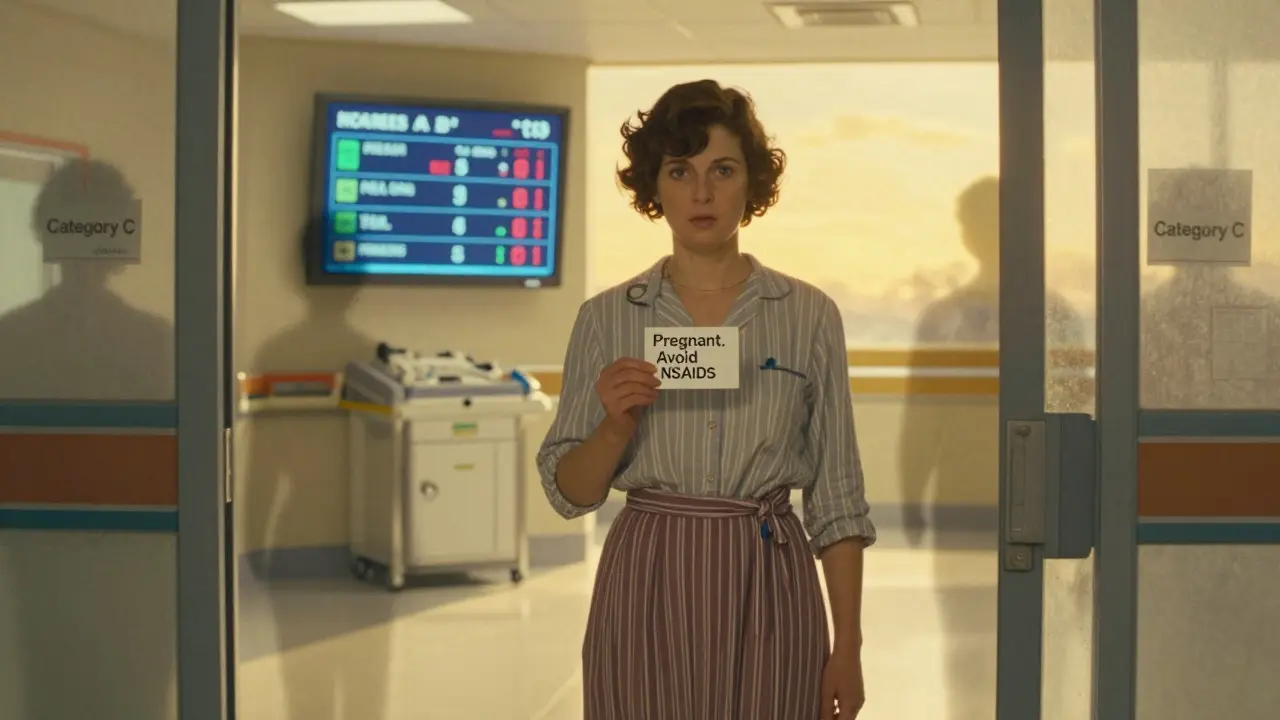
- Mistake: Not telling ER staff you’re pregnant. Fix: Carry a small card or note in your wallet: “Pregnant. Avoid NSAIDs, tetracycline, isotretinoin.” Emergency rooms miss this info 43% of the time.
What’s Changing - and What’s Coming
In 2024, Medicare and Medicaid will start requiring documentation of medication safety discussions in 90% of prenatal visits for full reimbursement. That’s pushing clinics to finally take this seriously. New tools are rolling out too. Epic’s Haiku app now integrates MotherToBaby’s database directly into provider screens. AI tools trained on 300,000+ pregnancy cases are being tested to help predict risks faster. By 2025, all OB/GYN residents in the U.S. will be required to train in medication safety communication. But progress isn’t equal. Rural clinics? Only 35% have access to a teratology specialist. Medicaid patients? Only 22% get documented medication reviews - compared to 78% of privately insured patients. This isn’t just about knowledge. It’s about equity.Your Role in This Conversation
You’re not just a patient. You’re a partner. You have the right to know:- What’s known - and what’s not known - about your medication during pregnancy or breastfeeding.
- What happens if you stop it.
- What alternatives exist - including non-drug options like therapy, physical therapy, or dietary changes.
- Where to get help after the appointment.
Can I keep taking my antidepressants while pregnant or breastfeeding?
Yes, in many cases. Untreated depression during pregnancy increases risks of preterm birth, low birth weight, and postpartum depression. SSRIs like sertraline and citalopram are among the most studied and safest options. Studies show no significant increase in birth defects. While all medications cross the placenta and enter breast milk, the benefits often outweigh the small risks. Always work with your provider to choose the lowest effective dose and monitor for side effects in both you and your baby.
Is paracetamol really the only safe painkiller during pregnancy?
Yes, according to current FDA guidance. Ibuprofen, naproxen, and other NSAIDs can reduce amniotic fluid and affect fetal kidney development, especially after 20 weeks. Aspirin is also risky unless prescribed for specific conditions like preeclampsia. Paracetamol (acetaminophen) is the only over-the-counter pain reliever recommended throughout all trimesters. While some recent studies suggest possible links to neurodevelopmental issues with long-term, high-dose use, the risk is small compared to the known dangers of untreated pain or fever. Use the lowest dose for the shortest time needed.
What if my doctor says a medication is “safe” but I’m still worried?
Trust your instincts. Ask for the evidence: “Can you show me the human studies?” or “Is this based on animal data or actual pregnancies?” Request a referral to a maternal-fetal medicine specialist or a pharmacist trained in teratology. Call MotherToBaby at 1-866-626-6847 - they’re free, confidential, and don’t push you toward any choice. You have the right to pause, get a second opinion, and take time to decide.
Are herbal supplements safe during pregnancy?
No - not without review. Many herbal products are unregulated and can contain harmful contaminants or active ingredients that affect pregnancy. Black cohosh, for example, may trigger contractions. High-dose vitamin A can cause birth defects. Even “natural” products like ginger or chamomile can interact with medications. Always tell your provider about every supplement you take. Use LactMed or MotherToBaby to check safety before using anything.
How do I know if my medication is safe for breastfeeding?
Check LactMed, a free, evidence-based database from the National Library of Medicine. It tells you how much of a drug passes into breast milk, its effects on infants, and safer alternatives. Most medications are safe in small amounts - especially if taken right after nursing. Avoid drugs with long half-lives or those known to affect infant development. Always watch your baby for unusual sleepiness, poor feeding, or rash. If you’re unsure, call MotherToBaby or ask your pharmacist.
Why do I get conflicting advice from my OB and my pharmacist?
It happens because not all providers use the same resources or have the same training. Your OB may rely on general guidelines, while your pharmacist uses detailed databases like LactMed or TERIS. The solution? Ask both to review the same source - like MotherToBaby or LactMed - together. Bring printed info to your next appointment. A good provider will welcome the collaboration. If they don’t, it’s time to find one who does.



Gregory Clayton
This whole post is just another woke medical propaganda piece. Stop scaring people into thinking every pill is a baby-killer. I took ibuprofen all through my pregnancy and my kid’s now a straight-A student who plays lacrosse. Your ‘evidence’ is just fearmongering dressed up as science. Wake up, sheeple.
Catherine Scutt
Wow. So you’re telling me I shouldn’t just Google ‘is X safe while pregnant’ and trust some random Reddit mom who says her cousin’s friend’s OB said it’s fine?
And I should actually talk to a professional?
What a radical concept.
Next you’ll tell me I should floss.
Darren McGuff
As a clinical pharmacist who specializes in maternal health, I’ve seen too many women stop their SSRIs because they were terrified - only to spiral into postpartum depression so severe they couldn’t hold their newborn.
The data is clear: untreated maternal depression carries higher risks to fetal development than SSRIs like sertraline.
And yes, LactMed and MotherToBaby are the gold standards. I print those sheets for every patient. Google? Half the time it’s a TikTok influencer with no medical training saying ‘avoid everything.’
Also - CBD oil? Don’t. It’s unregulated, and we have zero long-term data. I’ve seen babies with withdrawal symptoms from moms who thought ‘natural’ meant ‘safe.’
Please, if you’re pregnant or nursing - bring your meds list. Don’t assume. Don’t guess. Ask. And if your provider shrugs? Find one who won’t.
Ashley Kronenwetter
This is an exceptionally well-researched and necessary guide. The shift from A, B, C, D, X categories to narrative labeling was long overdue, and the emphasis on shared decision-making aligns with ethical medical practice. I will be sharing this with my prenatal education group. Thank you for highlighting the equity gap - rural and Medicaid patients deserve the same access to accurate information as those with private insurance.
Heather Wilson
Let’s be real - this whole thing is just a corporate-funded PR campaign disguised as patient advocacy.
Who funds MotherToBaby? The FDA? The CDC? And guess what? Those agencies have ties to Big Pharma.
Why are they pushing you to keep your antidepressants? Because they make billions off them.
Meanwhile, the real risk of SSRIs? Increased risk of persistent pulmonary hypertension in newborns. That’s not ‘small.’ That’s 1 in 100. And they don’t tell you that.
And paracetamol? The 2024 meta-analysis in JAMA Pediatrics showed a 30% increased risk of ADHD with prenatal exposure. But hey - let’s just ignore that because ‘the benefits outweigh the risks.’
Convenient.
And don’t get me started on ‘natural’ being unsafe - because of course, the pharmaceutical industry wants you to believe that.
Wake up. This isn’t medicine. It’s marketing.
Matthew Maxwell
People who take medication during pregnancy are either irresponsible or brainwashed.
God gave you a body. It can handle stress. It can regulate itself.
Why are you so dependent on chemicals?
My wife had high blood pressure during her pregnancy. She stopped all meds. Ate clean. Walked daily. Meditated.
Baby was born healthy. No drugs. No side effects.
You think your ‘science’ is better than nature?
It’s not.
Stop trusting doctors who get paid by pharma.
Trust God. Trust your body.
And if your baby has a problem? At least you didn’t poison it with pills.
Pooja Kumari
Okay, I just had to say this - I’m 28, pregnant for the first time, and I’ve been crying every night because I’m terrified of everything.
I’ve been on sertraline for 6 years. I tried quitting last year - lasted 3 weeks. I was screaming at my partner, couldn’t get out of bed, felt like I was drowning.
I went to my OB and she said, ‘It’s probably fine.’ That’s it. No data. No resources. Just ‘probably.’
I found LactMed on my own. Looked up sertraline. Saw it’s one of the safest. Called MotherToBaby. The woman on the phone cried with me. She said, ‘You’re not crazy. You’re doing the right thing.’
I’m still scared. But now I’m not alone.
Thank you for writing this. I’m printing it out. I’m bringing it to my next appointment. And if they don’t take it seriously? I’m going to find someone who will.
For my baby. For me.
Jacob Paterson
Wow. So the solution to bad medical advice is… more medical advice?
Let me get this straight - you’re telling people to stop Googling, but then to go read a database that only a pharmacist can interpret?
And if your doctor doesn’t know it? You’re supposed to find a new one?
What if you live in rural Kansas? What if you’re on Medicaid? What if you work two jobs and can’t take off for a ‘15-minute med review’?
So now you’re blaming the patient for not being a medical expert?
And you call that ‘empowerment’?
It’s not empowerment. It’s guilt-tripping poor people into feeling like failures because they don’t have the time, money, or education to navigate a broken system.
Fix the system. Not the patient.