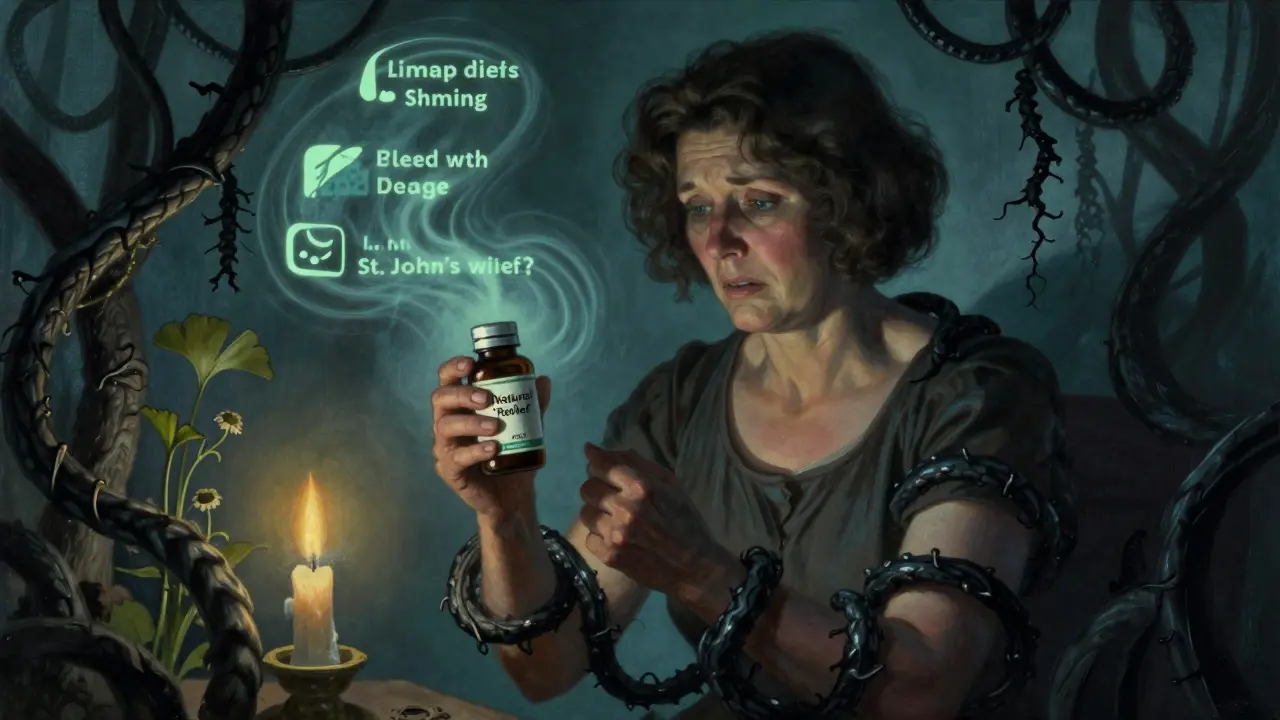
People turn to natural remedies and supplements hoping to ease side effects from medications, manage chronic conditions, or just feel better. But here’s the thing: natural doesn’t mean safe. What you assume is harmless - like a tea, capsule, or tincture - could be causing more harm than good, especially if you’re already on other meds.
Why 'Natural' Isn’t Always Safe
You’ve probably seen ads promising relief from nausea, fatigue, or hot flashes with herbal blends. But the truth is, herbs are powerful. They’re not candy. They’re not harmless. They’re active substances that interact with your body the same way prescription drugs do - sometimes even more aggressively. The FDA has documented over 800 adverse events linked to ephedra alone between 1995 and 1999. Some of those led to heart attacks, strokes, and death - even in people under 40. That’s not an outlier. A 2016 review in JAMA found that herbal supplements can trigger seizures, liver damage, tachycardia, and anaphylaxis. And here’s the kicker: many of these reactions happen because people don’t realize they’re taking a drug. They think they’re just drinking chamomile tea. The Japanese Ministry of Health tracked 1 in 25,000 patients who developed interstitial pneumonia from a common herbal formula containing Scutellaria root. Liver damage? That affected 1 to 5 people per 10,000 users - mostly women over 50. These aren’t rare flukes. They’re predictable outcomes when potent plant compounds are used without oversight.Common Supplements and Their Real Risks
Let’s cut through the marketing. Here’s what actually happens with some of the most popular supplements used to manage side effects.- Black cohosh: Often taken for menopausal hot flashes. The Cleveland Clinic says certain branded versions like Remifemin® may help - but only if you get the right formulation. Unregulated products? They’ve been linked to rare liver damage. And no, we don’t know if it’s the herb itself or a contaminant. Either way, it’s not worth guessing.
- Echinacea: Sold as a cold fighter. Studies show it might slightly reduce symptom duration, but the effect is tiny. Worse, if you have autoimmune diseases like lupus or allergies to ragweed, daisies, or chrysanthemums, this stuff can trigger serious reactions. It’s not gentle. It’s an immune stimulant.
- St. John’s wort: Used for mild depression. But it doesn’t just affect your mood. It turns off the effectiveness of birth control pills, reducing their concentration by 15-24%. It also interferes with antidepressants, HIV meds, and even some cancer drugs. One study found women on birth control got pregnant after starting this supplement. That’s not a side effect - that’s a life-changing mistake.
- Ginkgo biloba: Marketed for memory and circulation. But it thins the blood. Combine it with aspirin, warfarin, or even fish oil, and you’re at risk for internal bleeding. A 2021 case report in the British Medical Journal described a man who bled into his brain after mixing Ginkgo with daily aspirin.
- Cranberry: Popular for urinary health. Sounds harmless, right? Wrong. It can boost the effect of blood thinners. A 2018 review found cranberry juice increased INR levels (a blood clotting measure) in patients on warfarin - enough to require emergency dose adjustments.
- Liquorice root: Found in 75% of Japanese herbal formulas. Sounds like candy? It’s not. It can cause pseudohyperaldosteronism - a condition that leads to high blood pressure, swelling, low potassium, and even seizures. The NHS says up to 3% of people who consume it regularly develop this.
The Hidden Danger: Contamination and Mislabeling
Here’s where it gets worse. You don’t even know what’s in your supplement. A 2015 study by the Botanical Adulterants Prevention Program found that nearly 20% of herbal products tested didn’t contain the plant listed on the label. Instead, they had cheaper, toxic substitutes. One product sold as “valerian root” was actually a plant used to treat livestock - and it caused liver failure in users. Heavy metals are another big issue. Lead, arsenic, mercury - they show up in supplements because of poor farming practices or contaminated soil. The Drug-Induced Liver Injury Network found that only 13% of suspected herbal liver injuries between 2004 and 2013 could be definitively tied to the herb. The rest? Likely from contaminants. And don’t assume “organic” or “USP verified” means safe. Those labels don’t guarantee purity. The Dietary Supplement Health and Education Act of 1994 (DSHEA) prevents the FDA from requiring proof of safety or effectiveness before a supplement hits the market. That means you’re the first tester.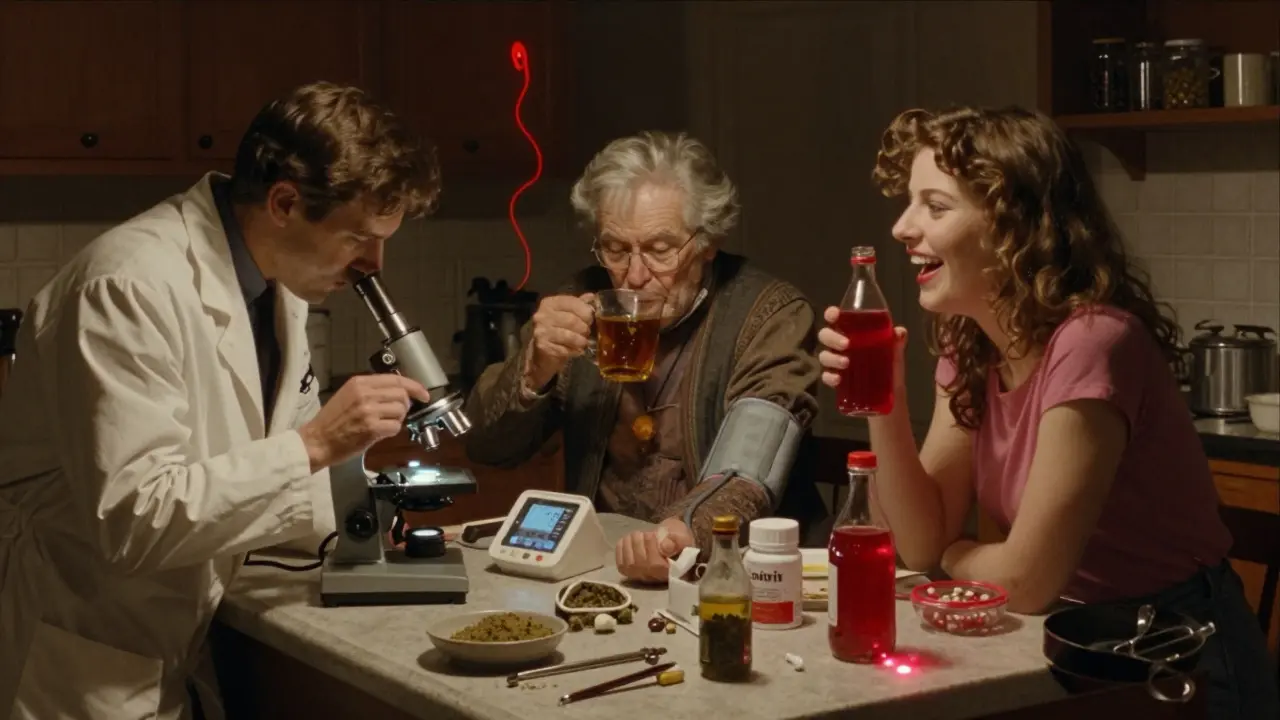
Drug Interactions: The Silent Killer
Most people don’t tell their doctors about the supplements they take. That’s dangerous. St. John’s wort doesn’t just affect birth control. It can make your antidepressant useless. It can reduce the effectiveness of HIV medications by up to 80%. It can interfere with transplant drugs - and lead to organ rejection. Ginkgo and garlic increase bleeding risk. That’s a huge problem before surgery. One woman in Bristol had to delay her hip replacement because she’d been taking garlic capsules daily for “joint health.” Her surgeon found her blood wouldn’t clot properly. Even something as simple as grapefruit juice can interact with dozens of medications. And if you’re over 65? Your body clears these compounds slower. That means higher concentrations build up. A 2020 study in JAMA confirmed that older adults are at higher risk for herb-drug toxicity because their kidneys and liver don’t process them as efficiently.What’s Actually Supported by Evidence?
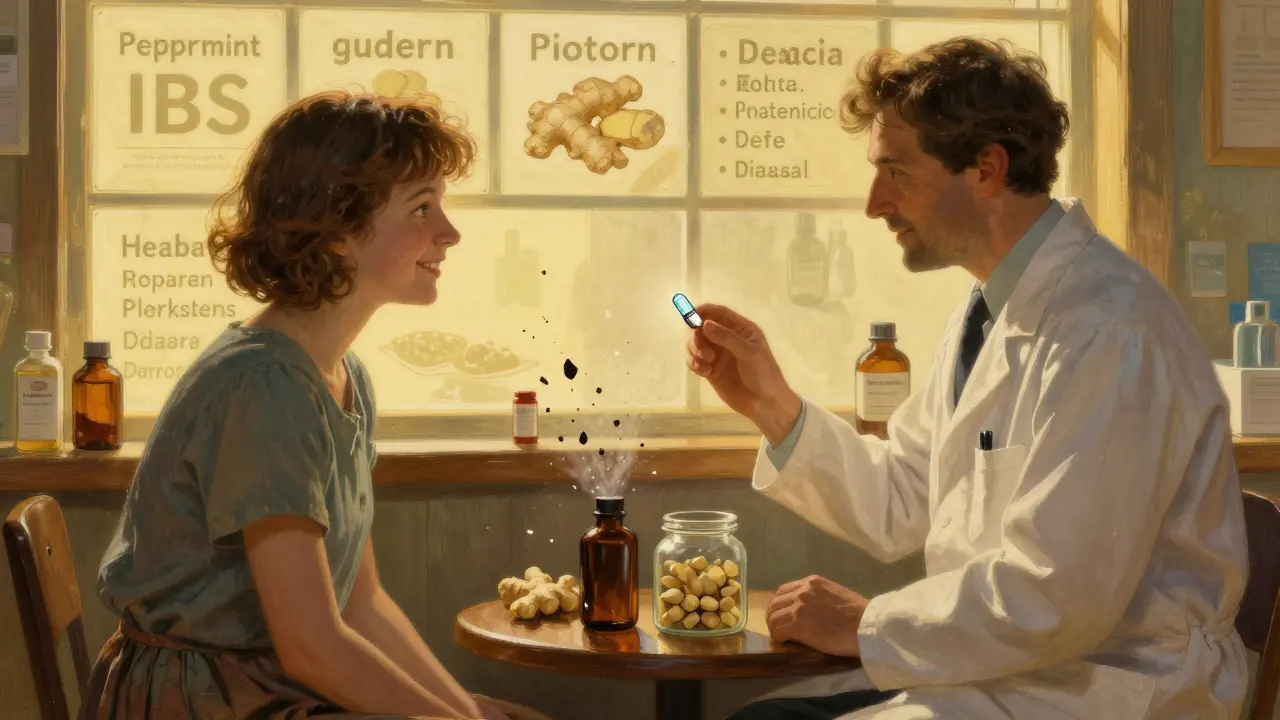
Yes, some natural remedies have solid backing - but only under specific conditions.- Peppermint oil: For IBS-related bloating and cramps, enteric-coated capsules have been shown in multiple trials to reduce symptoms. Dose: 0.2 mL three times daily.
- Ginger: For nausea from pregnancy or chemo, 1-1.5 grams daily has been proven effective in randomized trials. It’s not a cure, but it helps.
- Probiotics: Certain strains like Lactobacillus rhamnosus GG and Saccharomyces boulardii can reduce antibiotic-associated diarrhea. Not all probiotics do this - only specific ones.
- Acupuncture: For chemotherapy-induced nausea, multiple studies show it outperforms placebo. It’s not magic, but it’s evidence-based.
What Should You Do?
If you’re considering a supplement to manage a side effect:- Stop assuming it’s safe just because it’s natural. Treat it like a drug.
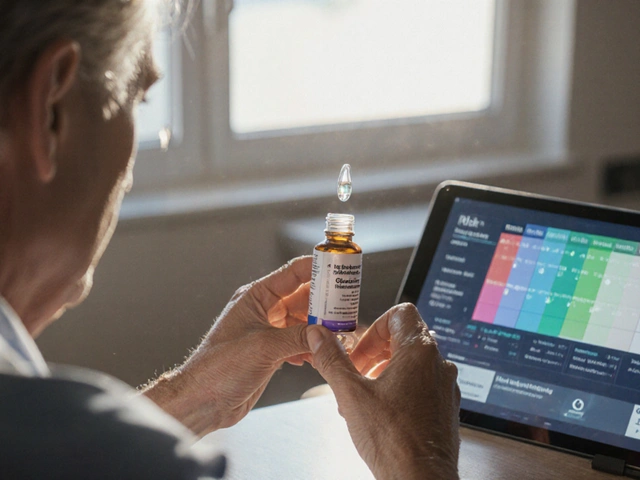
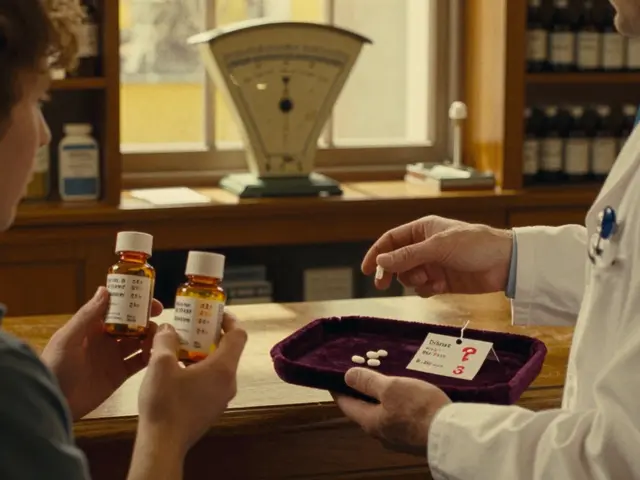
- Talk to your doctor or pharmacist before starting. Show them the bottle. Even if it’s “just a tea.”
- Check for interactions with your current meds. Use tools like the Natural Medicines Database (available through many hospital pharmacies).
- Watch for new symptoms. A headache, rash, or upset stomach could be your body reacting - not just coincidence.
- Report adverse events. Go to www.safetyreporting.hhs.gov and file a report. It helps others.
Bottom Line
Natural remedies aren’t evil. Some work. But they’re not gentle. They’re not risk-free. And they’re not regulated like medicines. The global herbal supplement market is worth over $34 billion. Companies profit from the myth that “natural equals safe.” But the science says otherwise. Your health isn’t a gamble. If you’re managing side effects, the safest path isn’t a bottle from a health store - it’s a conversation with your healthcare provider.Can natural supplements really cause liver damage?
Yes. Multiple studies, including those from the Drug-Induced Liver Injury Network and the Japanese Ministry of Health, have linked herbal supplements to liver toxicity. Black cohosh, green tea extract, kava, and some weight-loss blends have all been implicated. In some cases, liver damage required transplants. The risk isn’t high for everyone, but it’s real - and often preventable.
Are herbal supplements regulated like prescription drugs?
No. In the U.S., the Dietary Supplement Health and Education Act of 1994 (DSHEA) allows supplements to be sold without proving safety or effectiveness. The FDA can only act after harm occurs. In contrast, prescription drugs must pass clinical trials before approval. Europe has stricter rules - some herbal products there are approved as medicines. But in the U.S., you’re on your own.
Can I take herbal supplements with my blood pressure medicine?
Maybe - but don’t guess. Licorice root can raise blood pressure. Hawthorn can interact with digoxin. Garlic and ginkgo can thin your blood, which is risky if you’re on anticoagulants. Even something as simple as a hibiscus tea can lower blood pressure too much when combined with your pills. Always check with your doctor before mixing.
Why do some people get side effects from supplements and others don’t?
It depends on genetics, age, liver and kidney function, existing conditions, and what else you’re taking. A 70-year-old woman with reduced kidney function is far more likely to have a reaction than a healthy 25-year-old. Also, supplements vary wildly in quality. One bottle might have pure ginger; another might have contaminated fillers. Your body’s response isn’t random - it’s influenced by biology and product quality.
Is there a safe way to use herbal supplements?
Yes - but only with professional guidance. Use reputable brands that provide third-party testing (like USP or NSF). Stick to herbs with strong evidence for your specific issue - like ginger for nausea or peppermint oil for IBS. Never self-prescribe. Never combine without checking interactions. And always tell your doctor what you’re taking - even if you think it’s "just a supplement."

Melissa Starks
Okay but like, I get why people turn to herbs-my grandma swore by ginger tea for nausea during chemo, and honestly? It helped her more than the fancy pills did. But yeah, you’re right, it’s not magic. I started tracking everything I took after my mom had that liver scare from a 'natural' weight-loss blend. Turns out, it had a hidden stimulant. Scary stuff. Now I only use USP-verified brands, and I screenshot the label before showing my pharmacist. She’s seen way too many people come in thinking 'natural' means 'no side effects.' It’s not a trend, it’s a lifestyle shift. You gotta treat supplements like prescriptions-even if they don’t come in a pill bottle.
Also, if you’re on blood thinners? Stop the garlic pills. Just stop. I know it’s 'heart healthy,' but your surgeon doesn’t care. They just want you to stop bleeding during surgery. I delayed my knee replacement because I didn’t listen. Lesson learned the hard way.
And don’t even get me started on St. John’s wort. My cousin got pregnant on birth control while taking it. Like, full-on baby. She didn’t even know it was a risk. It’s not 'natural' if it messes with your hormones like that. It’s a drug. A sneaky one.
So yeah, I’m not anti-herb. I’m pro-informed. Knowledge is power. And power means reading the fine print, asking questions, and not trusting a label that says 'pure' because it looks pretty.
Also, if you’re over 50? Your liver isn’t what it used to be. Slow down. Research. Talk to someone who knows more than Instagram.
And yes, I’ve filed a report with HHS. Because if I don’t, who will?
Lauren Volpi
So basically, the government lets companies sell poison as long as it’s from a plant? Classic America. We let Big Pharma get away with murder, then we let Big Herb sell arsenic tea and call it 'wellness.' I’m not surprised. We’re a nation that thinks 'organic' means 'safe' and 'gluten-free' means 'healthy.' Newsflash: a rock is natural too. Doesn’t mean you should eat it.
Also, who even reads these long-ass articles? No one. People just buy the bottle with the pretty leaf on it. And then they blame the doctor when they get sick. The real problem? We’ve outsourced critical thinking to marketing departments. And now we’re paying for it with our livers.
Melissa Stansbury
I work in a clinic and I see this every single day. A woman came in last week with jaundice-turns out she’d been taking 'detox tea' for three months. The label said 'herbal blend.' Lab work showed it had a banned liver toxin. She thought she was 'cleansing.' She was poisoning herself. And she had no idea. Her doctor asked what she was taking and she said, 'Oh, just tea.' Like it was water.
Another guy came in after his INR spiked to 8. He’d been drinking cranberry juice daily for 'UTI prevention.' He was on warfarin. He didn’t connect the dots. We had to hospitalize him. That’s not an accident. That’s a systemic failure.
And don’t even get me started on people who mix St. John’s wort with SSRIs. I’ve seen seizures. I’ve seen patients go into serotonin syndrome. All because they thought 'natural' meant 'safe.' It’s heartbreaking. And it’s preventable.
Why don’t we have warning labels like cigarettes? Why is this not a public health crisis? Because profit > safety. Always has been.
Amadi Kenneth
Did you know? The FDA doesn't regulate supplements because they're controlled by the Illuminati-yes, the same ones who run Big Pharma. They want you to think herbs are dangerous so you keep buying their $500 pills. The real truth? Herbs have been used for 5,000 years! The Chinese, the Ayurvedic, the African healers-they knew! But the government? They fear natural healing because it can't be patented. And they're scared of people getting well without them.
Also, the liver damage? That's from heavy metals in the soil-caused by chemtrails. You think the government isn't poisoning us? Look at the water! Look at the air! The 'contaminants' aren't accidental-they're intentional. They want you sick so you stay dependent on their drugs.
And don't get me started on the 'studies.' All funded by Big Pharma! They pay scientists to say 'Ginkgo causes bleeding!' But in India, they use it daily! No one dies! Why? Because they use the whole root-not some lab-made extract!
Wake up, sheeple. The truth is hidden. Always has been. And if you're reading this, you're one of the few who saw through it. Now go tell someone. They need to know.
Shameer Ahammad
It is imperative to note, with the utmost seriousness, that the prevailing cultural narrative surrounding herbal supplements is not merely misleading-it is dangerously erroneous. The presumption that botanical agents are inherently benign is not only scientifically indefensible, but ethically irresponsible. The absence of regulatory oversight under DSHEA does not equate to safety; rather, it represents a profound institutional failure to protect public health.
Furthermore, the anecdotal efficacy of certain preparations-such as ginger for nausea-is not a justification for unregulated consumption. Clinical trials require standardization, dosage control, and pharmacokinetic profiling-all of which are absent in the majority of commercially available products.
One must also consider the sociological implications: the commodification of wellness as a consumerist endeavor has led to the erosion of evidence-based decision-making. The individual, unguided by professional expertise, becomes both patient and pharmacist-a role for which they are neither trained nor equipped.
It is therefore not merely advisable, but morally obligatory, to consult a licensed healthcare provider prior to the ingestion of any non-prescription substance, regardless of its perceived 'natural' origin. The consequences of negligence are not theoretical-they are documented, quantifiable, and frequently fatal.
Alexander Pitt
I’ve been a pharmacist for 22 years. Let me cut through the noise: most supplements don’t do much. Some do harm. The ones that help? They’re the ones with solid studies, clear dosing, and third-party testing. Peppermint oil for IBS? Yeah, that works. Ginger for nausea? Proven. Probiotics for antibiotic diarrhea? Only specific strains.
Everything else? Probably placebo. Or worse-contaminated.
Don’t take my word for it. Go to the Natural Medicines Database. It’s free. Your local pharmacy can give you access. Look up what you’re taking. See the interactions. See the risks.
And if you’re on meds? Tell your pharmacist everything. Even the tea. Even the 'just a little' stuff. I’ve seen people come in with 12 supplements and wonder why they’re dizzy. It’s not magic. It’s chemistry.
Stop guessing. Start checking.
Manish Singh
I’m from India, and we’ve been using herbs for centuries. But here’s the thing-we didn’t just take them blindly. We had gurus, Ayurvedic doctors, and family knowledge. You don’t get that here. You get a bottle from Walmart with no context.
My aunt used turmeric for arthritis. But she also knew to stop if her stomach burned. She knew not to mix it with blood thinners. She knew the difference between raw powder and a concentrated extract.
Here, people think 'turmeric supplement' is the same as 'turmeric in curry.' It’s not. One is food. The other is a concentrated dose. And if you take too much? You can get liver issues.
So yeah, herbs can help. But they need context. Not just a label. Not just a trend. Real knowledge. And that’s what’s missing.
Maybe we need to bring back the idea of herbal mentors. Not influencers. Not ads. Real people who know the plant, the body, and the balance.
Nilesh Khedekar
Okay so I know this sounds crazy but I think the whole 'herb danger' thing is a scam. I mean, think about it-why would the FDA let people die from supplements if they could stop it? They’re in cahoots with Big Pharma. They want you to think natural stuff is dangerous so you keep buying their pills. I took black cohosh for hot flashes and I felt amazing. My doctor said 'don’t do it' but I did anyway. No side effects. Just peace.
And the liver damage? That’s from the fillers. Not the herb. The companies cut corners. So stop blaming the herb. Blame the crooks. And don’t trust the 'science'-it’s all funded by drug companies. I’ve seen the videos. They lie. They lie a lot.
Also, why do you think they don’t let you grow your own herbs? Because they want you to buy the expensive bottles. It’s all about control. Wake up. The system is rigged.
Robin Hall
It is a matter of public record that the regulatory framework governing dietary supplements in the United States is fundamentally flawed. The Dietary Supplement Health and Education Act of 1994 (DSHEA) effectively removes the burden of proof from manufacturers, placing it entirely upon the consumer and the regulatory agency. This paradigm is not merely inefficient-it is indefensible from a public health standpoint.
Furthermore, the assertion that 'natural' equates to 'safe' is a logical fallacy of the highest order. Cyanide is natural. Arsenic is natural. Both are lethal. The chemical structure of a compound, not its origin, determines its biological activity.
The documented cases of hepatotoxicity, drug interactions, and adverse events are not anomalies. They are predictable outcomes of an unregulated market. The fact that consumers are left to act as their own pharmacists is not a feature of freedom-it is a failure of governance.
Until the FDA is granted the authority to require pre-market safety and efficacy data for all supplements, this crisis will persist. The current system is not a marketplace-it is an experiment. And we are the subjects.
jared baker
Look, I get it. You want to feel better. But don’t guess. If you’re taking something, write it down. Name, dose, when you take it. Bring it to your doctor. Even if it’s just chamomile tea. They’ve seen it all. I’ve had patients come in with 15 supplements and no idea what’s in them. We had to run 6 blood tests just to figure out why they were dizzy.
Simple rule: if it’s not in a pharmacy, and it’s not prescribed, assume it’s risky. Especially if it’s from a website with a lot of emojis and 'ancient wisdom.'
And if you’re over 60? Your body doesn’t flush stuff like it used to. That 'safe' dose? Might be too much now.
Just talk to someone who knows. Not Google. Not a guy on YouTube. A real professional. It’s not a hassle. It’s how you stay alive.