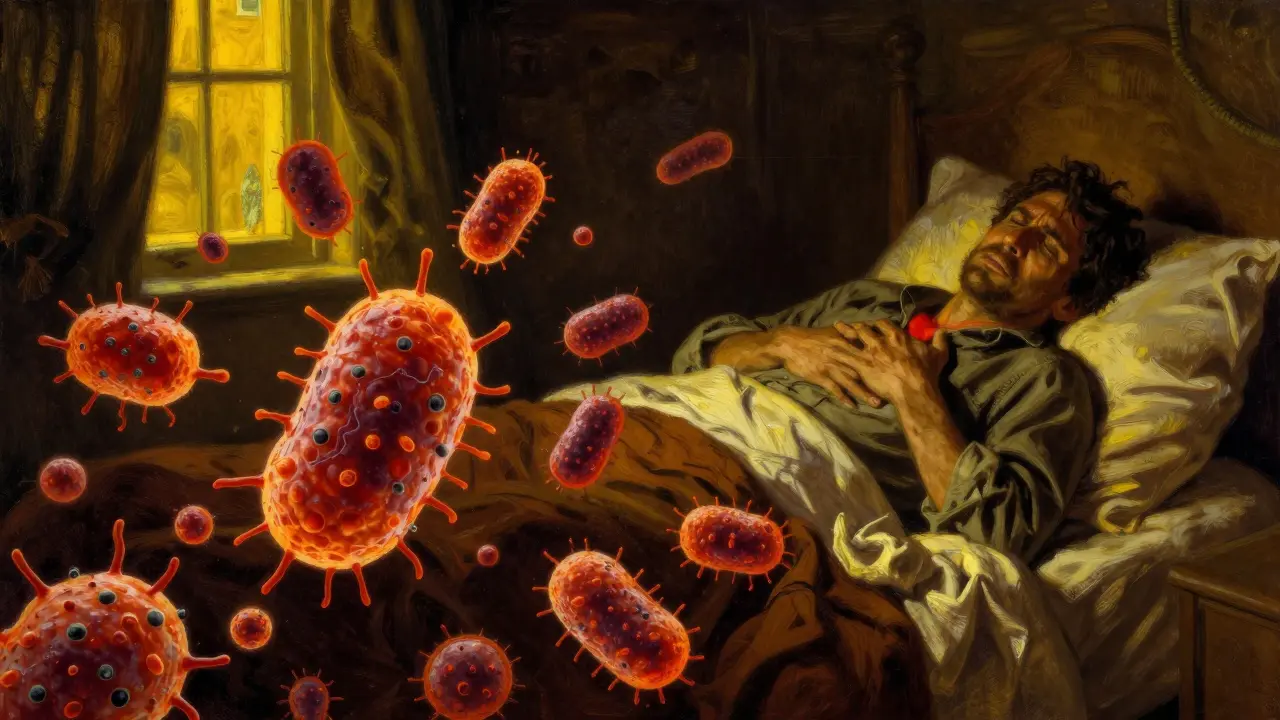
That heavy feeling in your chest isn't just a bad cold. It could be pneumonia, an infection that inflames the air sacs in one or both lungs. These air sacs may fill with fluid or pus, making every breath feel like a struggle. But here is the tricky part: not all pneumonia is created equal. The treatment for a bacterial attack is completely different from what you need for a virus or a fungus. Getting it wrong can lead to serious complications, including antibiotic resistance or worsening respiratory failure. Understanding the specific type of pathogen attacking your lungs is the first step toward effective recovery.
Why Distinguishing Pneumonia Types Matters
You might think antibiotics are the universal cure for lung infections, but using them on a viral or fungal case does more harm than good. According to data from the Centers for Disease Control and Prevention (CDC), about 30% of antibiotic prescriptions in outpatient settings are unnecessary. This misuse fuels antimicrobial resistance, making future infections harder to treat. By identifying whether your pneumonia is bacterial, viral, or fungal, doctors can prescribe targeted treatments-antibiotics for bacteria, antivirals for specific viruses, or antifungals for fungal infections-while avoiding unnecessary medication side effects.
Bacterial Pneumonia: The Sudden Onset
Bacterial pneumonia is the most common form, accounting for roughly 50% of community-acquired cases. It often strikes quickly and severely. The primary culprit is usually Streptococcus pneumoniae (S. pneumoniae), a bacterium that accounts for over 12% of severe cases in young children and remains a top cause across all age groups globally. Other frequent offenders include Haemophilus influenzae, Staphylococcus aureus, and Mycoplasma pneumoniae, which causes the milder "walking pneumonia."
The symptoms hit hard and fast. You might experience a sudden spike in fever, reaching as high as 105°F (40.5°C). A productive cough follows, bringing up yellow, green, or even bloody sputum. Sharp chest pain that worsens when you breathe deeply or cough is a hallmark sign. Your heart rate may race (tachycardia), and in severe cases, low oxygen levels can turn your lips or fingernails blue (cyanosis). On a chest X-ray, bacterial pneumonia typically shows lobar consolidation-a single, dense white area indicating fluid buildup in one section of the lung.

Viral Pneumonia: The Gradual Creep
Viral pneumonia makes up about one-third of all pneumonia cases. Unlike its bacterial counterpart, it often starts with upper respiratory symptoms like congestion and a dry cough, progressing to lower respiratory issues over three to five days. Common viruses responsible include Influenza A and B, Respiratory Syncytial Virus (RSV), and SARS-CoV-2 (COVID-19).
The progression is slower but can be equally dangerous. You’ll likely deal with muscle aches, headaches, weakness, and a persistent dry cough. Fever is present but usually lower-grade (100-102°F) compared to bacterial cases. Chest X-rays reveal diffuse interstitial infiltrates, meaning the inflammation is spread out across both lungs rather than concentrated in one spot. A critical risk with viral pneumonia is secondary bacterial infection; CDC data indicates that 25-30% of severe influenza cases develop a subsequent bacterial superinfection, often caused by S. pneumoniae or S. aureus, complicating recovery significantly.
Fungal Pneumonia: The Rare Threat
Fungal pneumonia is less common, representing under 5% of cases, but it primarily affects individuals with weakened immune systems. This includes people with HIV/AIDS, organ transplant recipients, or those on long-term immunosuppressive therapy. In the United States, the main fungal pathogens are Coccidioides species (causing Valley fever), Histoplasma capsulatum (histoplasmosis), and Blastomyces dermatitidis (blastomycosis).
Exposure is key here. Farmers working near bird or bat droppings have a 3.5 times higher risk, while landscapers handling soil face a 2.8 times increased risk. Symptoms mimic other types-fever, chills, cough with phlegm-but may also include gastrointestinal issues like nausea or diarrhea. Diagnosis requires specialized testing because standard antibiotics do nothing against fungi. Treatment involves specific antifungal medications such as amphotericin B for severe cases or azoles for maintenance therapy.
| Feature | Bacterial | Viral | Fungal |
|---|---|---|---|
| Prevalence | ~50% | ~33% | <5% |
| Onset | Sudden | Gradual (3-5 days) | Variable |
| Fever | High (102-105°F) | Low-Moderate (100-102°F) | Variable |
| Cough | Productive (colored sputum) | Dry initially | With phlegm |
| X-Ray Findings | Lobar consolidation | Diffuse infiltrates | Variable |
| Treatment | Antibiotics | Supportive/Antivirals | Antifungals |

Risk Factors and Prevention Strategies
Your risk of developing pneumonia depends heavily on age, health status, and lifestyle. Children under two and adults over 65 are particularly vulnerable due to weaker immune responses. Chronic conditions like COPD, heart disease, and diabetes further increase susceptibility. Smoking is a major factor; current smokers face a 2.3 times higher risk of pneumonia compared to non-smokers.
Prevention varies by type. For bacterial pneumonia, vaccination is crucial. The pneumococcal vaccine series, starting at two months of age, reduces rates of S. pneumoniae infection by 60-70% in children. Despite this, adult utilization remains stagnant at around 68% for those aged 65+. Annual influenza vaccines reduce viral pneumonia risk by 40-60% during well-matched seasons, while COVID-19 vaccines have shown up to 90% efficacy in preventing pneumonia shortly after administration. For fungal pneumonia, minimizing exposure to endemic areas-such as avoiding dusty construction sites or handling contaminated soil without protection-is essential for high-risk individuals.
Diagnosis and Future Directions
Accurate diagnosis is becoming faster and more precise. Traditional methods relied on clinical symptoms and chest X-rays, but modern PCR-based multiplex panels can now identify over 20 respiratory pathogens from a single sample with 95% sensitivity. This technology helps distinguish between bacterial and viral causes rapidly, guiding immediate treatment decisions. Research into host-response biomarkers aims to further reduce inappropriate antibiotic use by providing clear biological markers of infection type, potentially cutting misuse by 40%. Next-generation vaccines, like Pfizer’s 20-valent Prevnar 20, offer broader protection against pneumococcal strains, showing 80% efficacy in adults.
What is the difference between bacterial and viral pneumonia?
Bacterial pneumonia typically has a sudden onset with high fever and productive cough, treated with antibiotics. Viral pneumonia develops gradually with lower-grade fever and dry cough, requiring supportive care or antivirals. Chest X-rays show localized consolidation for bacterial versus diffuse patterns for viral.
Can viral pneumonia turn into bacterial pneumonia?
Yes, approximately 25-30% of severe influenza cases develop secondary bacterial infections. This happens because the initial viral damage weakens lung defenses, allowing bacteria like Streptococcus pneumoniae to invade.
Who is at highest risk for fungal pneumonia?
Immunocompromised individuals, including those with HIV/AIDS, organ transplant recipients, and patients on immunosuppressive drugs, are at highest risk. Occupational exposure to soil or bird/bat droppings also increases risk significantly.
How effective are pneumonia vaccines?
Pneumococcal vaccines reduce bacterial pneumonia rates by 60-70% in children. Influenza vaccines cut viral pneumonia risk by 40-60%, while COVID-19 vaccines show up to 90% efficacy in preventing pneumonia in the months following vaccination.
Why shouldn't I take antibiotics for viral pneumonia?
Antibiotics only kill bacteria, not viruses. Using them for viral infections provides no benefit and contributes to antimicrobial resistance, making future bacterial infections harder to treat. CDC data shows inappropriate use increases resistance development by 35%.