Why Your Customer Keeps Buying the Same Brand - Even When It Costs More
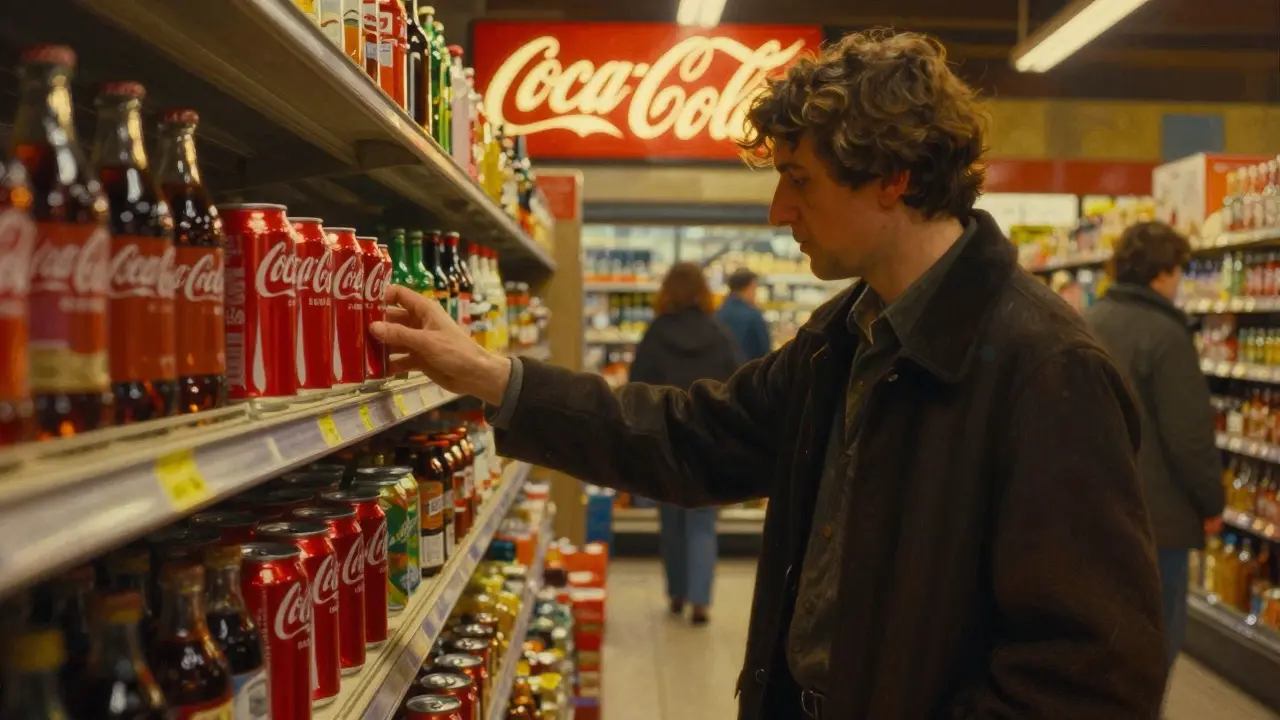
Imagine this: you’re at the grocery store. The generic soda is half the price. The packaging is clean. The ingredients are nearly identical. But you grab the Coca-Cola anyway. Why? It’s not about taste. It’s not about convenience. It’s about something deeper - a feeling you can’t name, but your brain remembers.
Most marketing advice tells you to adapt. To be flexible. To match what the customer wants. But in rare, powerful cases, the opposite is true. Staying rigidly on brand - even when it seems irrational - creates stronger emotional bonds, higher trust, and better long-term loyalty than any generic alternative ever could.
The Neuroscience of Brand Recognition
Your brain doesn’t just recognize Coca-Cola’s red can. It feels it. A 2022 fMRI study by Kantar tracked 8,500 people across seven product categories. When participants saw the classic Coca-Cola logo during a quiet moment of consumption, their amygdala - the part of the brain tied to emotion - lit up 63% more than when they saw a version with a temporary rebrand. That’s not marketing. That’s biology.
Brands like Nike and Patagonia don’t just sell products. They sell identity. Nike’s "Just Do It" hasn’t changed in 35 years. Why? Because 89% of athletes surveyed in 2023 said seeing that phrase during a tough workout triggered an automatic surge of motivation. Not because the slogan is clever. But because it’s consistent. It’s become part of their internal narrative.
The 5 Rare Cases Where Brand Consistency Outperforms Generic Alternatives
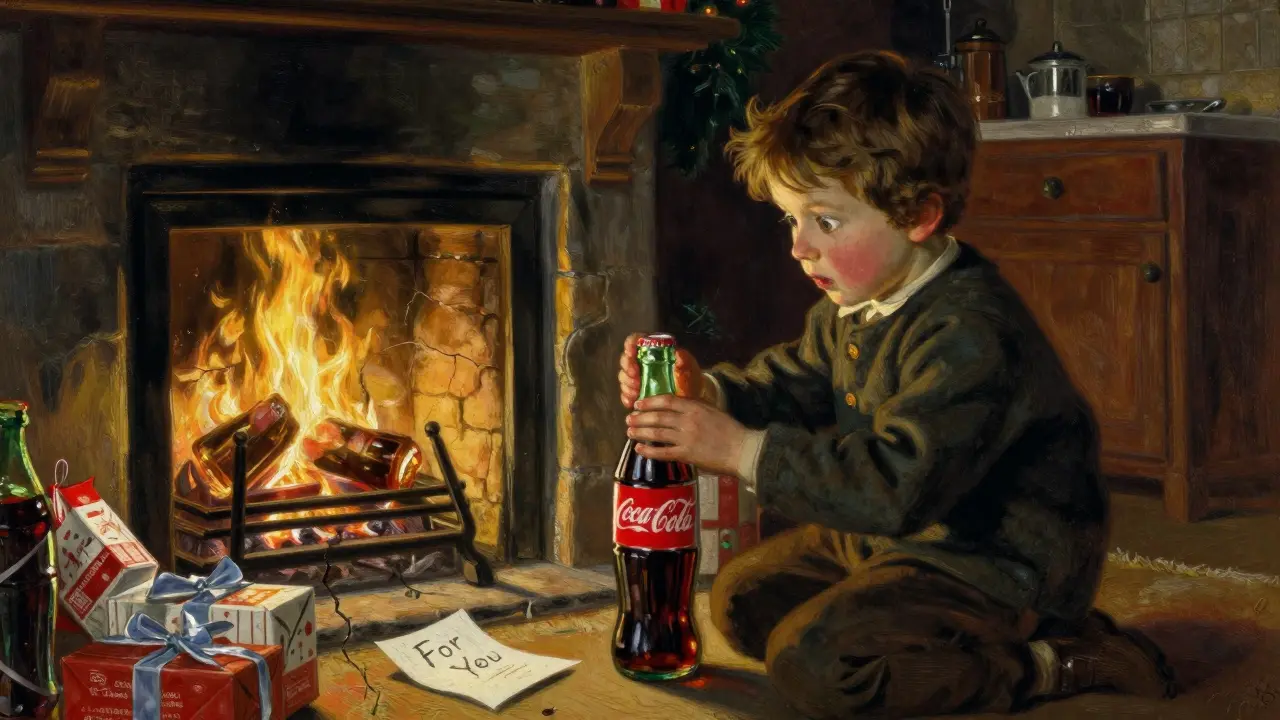
- Emotional Milestones - When people celebrate birthdays, weddings, or holidays, they don’t want a generic option. They want the brand that’s always been there. Coca-Cola’s 138-year presence at Christmas events means its red-and-white packaging triggers automatic positive memories. In 2024, ThoughtLab found customers were 37% more likely to choose Coke over a cheaper soda during holiday gatherings.
- Crisis Moments - When the world feels unstable, people crave familiarity. During the 2020 pandemic, most brands shifted to somber, serious messaging. Coca-Cola stayed true to its "happiness" positioning. The result? 2.3 times more positive social media mentions than competitors. Edelman’s survey found 68% of consumers said that consistency made them feel emotionally grounded.
- Parent-Child Bonding - McDonald’s Happy Meal branding hasn’t changed significantly since the 1970s. A 2023 Cambridge University study found children as young as 2.7 years old recognized the golden arches 94% of the time - far higher than competitors who changed packaging to match local trends. That recognition isn’t just marketing. It’s the foundation of lifelong loyalty.
- Values-Driven Loyalty - Patagonia has spent 50+ years building its identity around environmental activism. When other outdoor brands paused their sustainability messaging during supply chain issues in 2022, Patagonia didn’t. The result? 73% of their core customers said they felt "betrayed" by competitors. Patagonia’s retention rate jumped 28 percentage points during the same period.
- Identity Protection - In 2024, a major UK bank changed its logo for Pride Month to include rainbow colors. The intention was good. The result? 4.2 times more negative responses from LGBTQ+ customers than in years with consistent, year-round support. Why? Because they saw it as performative - not genuine. Consistency signals authenticity. Temporary changes signal opportunism.
What Happens When You Switch to Generics?
Switching to generic packaging or messaging might save money in the short term. But it costs more in trust. Reddit’s r/branding community analyzed over 1,200 threads in 2024. Seventy-eight percent of marketing professionals reported a 32% or higher spike in customer complaints after altering core brand elements - even for "good" reasons like seasonal campaigns or social causes.
One cosmetics brand replaced its minimalist packaging with flashy, limited-edition designs for Valentine’s Day. Sales went up 15% during the campaign. But customer retention dropped 22% in the following months. Why? People who bought the product didn’t feel it was "theirs" anymore. They felt like they’d bought a temporary trend, not a trusted companion.
How Do the Best Brands Stay Consistent - Without Becoming Stale?
Apple doesn’t change its product design language. The curves, the matte finishes, the button placements - they’ve stayed within 5% variance since 2010. But they adapt the surface: marketing, packaging, and regional promotions shift to fit local culture. This is called "consistent core, adaptive surface."
They don’t change what the product means. They change how it’s presented. That’s the secret. Your brand’s core promise - the word you own in the customer’s mind - must stay untouched. Coca-Cola owns "happiness." Nike owns "achievement." Patagonia owns "activism." Those aren’t slogans. They’re emotional anchors.

When Consistency Backfires - And When You Must Adapt
There’s one big exception: culture.
In 2023, McDonald’s faced a backlash in India after using beef-related imagery in a promotional campaign. Local religious beliefs made the branding offensive. Within 72 hours, 19,000 complaints flooded in. The lesson? Consistency doesn’t mean ignoring context. It means knowing where to bend - and where to hold firm.
Brands that fail here aren’t being inconsistent. They’re being ignorant. The key is distinguishing between identity and expression. You can change your menu for cultural sensitivity. You can’t change your core promise without losing trust.
The Long-Term ROI of Staying on Brand
Forrester’s 2024 Customer Experience Index tracked 150,000 consumers. Brands that maintained consistent messaging for over 10 years saw 23% higher customer lifetime value than those that changed frequently. Interbrand’s 2024 report put Coca-Cola’s brand value at $94.4 billion - nearly five times the industry average.
Why? Because consistency builds cognitive real estate. Al Ries and Jack Trout’s "Positioning" theory explains it simply: the goal isn’t to be the best. It’s to own one word in the customer’s mind. And you don’t own that word by changing your message. You own it by repeating it - again and again and again.
Final Thought: Your Brand Isn’t a Product. It’s a Promise.
Generics win on price. But they lose on meaning. People don’t buy Coca-Cola because it’s the cheapest soda. They buy it because it’s the soda that’s been there for their first kiss, their graduation, their recovery from illness, their quiet Sunday morning.
Staying on brand isn’t about being old-fashioned. It’s about being reliable. It’s about saying, "I’m not going to change for you. But I’ll always be here when you need me."
That’s why, in rare but powerful moments, the customer chooses the brand - even when the generic is right there, cheaper and just as good.
Why do customers pay more for branded products when generics are identical?
Customers aren’t paying for the product - they’re paying for the feeling it gives them. Brands like Coca-Cola, Nike, and Patagonia have spent decades building emotional associations. A generic soda might taste the same, but it doesn’t trigger memories of Christmas, victory, or activism. That emotional connection is real, measurable, and worth more than the price difference.
Can a brand change its logo or colors without losing loyalty?
Changing the logo or colors is risky. Even minor tweaks can break recognition. Apple changed its logo from rainbow to monochrome in 1998 - but kept its design language identical. The core promise didn’t change. Most brands that alter visual identity without a clear, long-term strategy see a drop in recall. If you must change, do it slowly, explain why, and keep the emotional core untouched.
Is brand consistency only important for big companies?
No. In fact, small brands benefit even more. Big brands have resources to recover from mistakes. Small brands don’t. If you’re a local bakery, clinic, or service provider, your consistency is your credibility. Customers choose you because they know what to expect. Change that, and you lose trust faster than you can rebuild it.
How long does it take for brand consistency to pay off?
Neuroscience shows it takes at least 7 years of consistent messaging for a brand to trigger automatic recognition in the brain. That’s why Coca-Cola’s 138-year consistency is so powerful - it’s not just a brand. It’s a cultural memory. If you’re patient and consistent, the payoff comes in loyalty, not just sales.
What’s the biggest mistake brands make when trying to stay on brand?
They confuse consistency with rigidity. Staying on brand doesn’t mean ignoring feedback, culture, or context. It means keeping your core promise - your one word - unchanged while adapting how you deliver it. McDonald’s adapts its menu for India. It doesn’t change its promise of "family, fun, and fast."


josue robert figueroa salazar
Brands aren't products. They're emotional crutches. We buy Coke because it reminds us of our dad's backyard BBQs, not because it's less sugary than the store brand.
Kuldipsinh Rathod
I grew up in rural India. My uncle always bought Pepsi because it was cheaper. But when he got sick, he asked for Coke. Said it tasted like home. Didn't matter if it cost 3x more.
SHAKTI BHARDWAJ
Ugh this is so basic. Everyone knows brands are just psychological traps. But like... why do u even care? I buy generic soda and still feel like a winner. U people are so obsessed with branding its kinda sad lol
Joanne Smith
The real magic isn't in the logo. It's in the silence. The brand that never changes doesn't scream for attention. It just... exists. Like a favorite sweater. You don't notice it until it's gone. Then you panic.
Sarah Holmes
One must interrogate the epistemological foundations of brand loyalty. Is it not merely a manufactured hallucination propagated by capitalistic neuro-hacking? The amygdala response is not authenticity-it is conditioning. We are all Pavlov's dogs with credit cards.
jesse chen
I love how this article doesn't just say 'be consistent'-it explains why. The 'consistent core, adaptive surface' idea is gold. My local coffee shop does this: same beans, same mug design, same barista smile-but changes the seasonal mug art every month. Keeps it fresh without losing the soul.
Dan Alatepe
In Nigeria, we have this thing called 'brand loyalty'... but it's not about price. It's about who showed up when the lights went out. When the power failed during the 2021 riots, the only thing people still trusted? Nestlé Milo. Same tin. Same taste. Same promise. That's power.
Zina Constantin
This is why I refuse to switch from my 2012 iPhone. Not because it's better. But because it remembers me. The way it vibrates. The sound of the camera. The weight in my pocket. These aren't features. They're rituals.
Prasanthi Kontemukkala
I work with small business owners every day. The ones who stick to their original logo, their original tone, their original promise? They’re the ones who get handwritten thank-you notes from customers. Not because they’re perfect. But because they’re predictable. And predictability is safety.
Angela Spagnolo
I tried switching to generic painkillers... and then I had a migraine. I cried. I reached for the blue box with the white letters. I didn't even think. Just grabbed it. And it worked. Again. I realized... I don't trust my body anymore. But I trust that box.
Matthew Ingersoll
The article is right but misses one thing: consistency isn't about repetition. It's about reliability. People don't want the same ad. They want the same experience. Every time. No surprises. No drama. Just... you. And that's why they pay more.