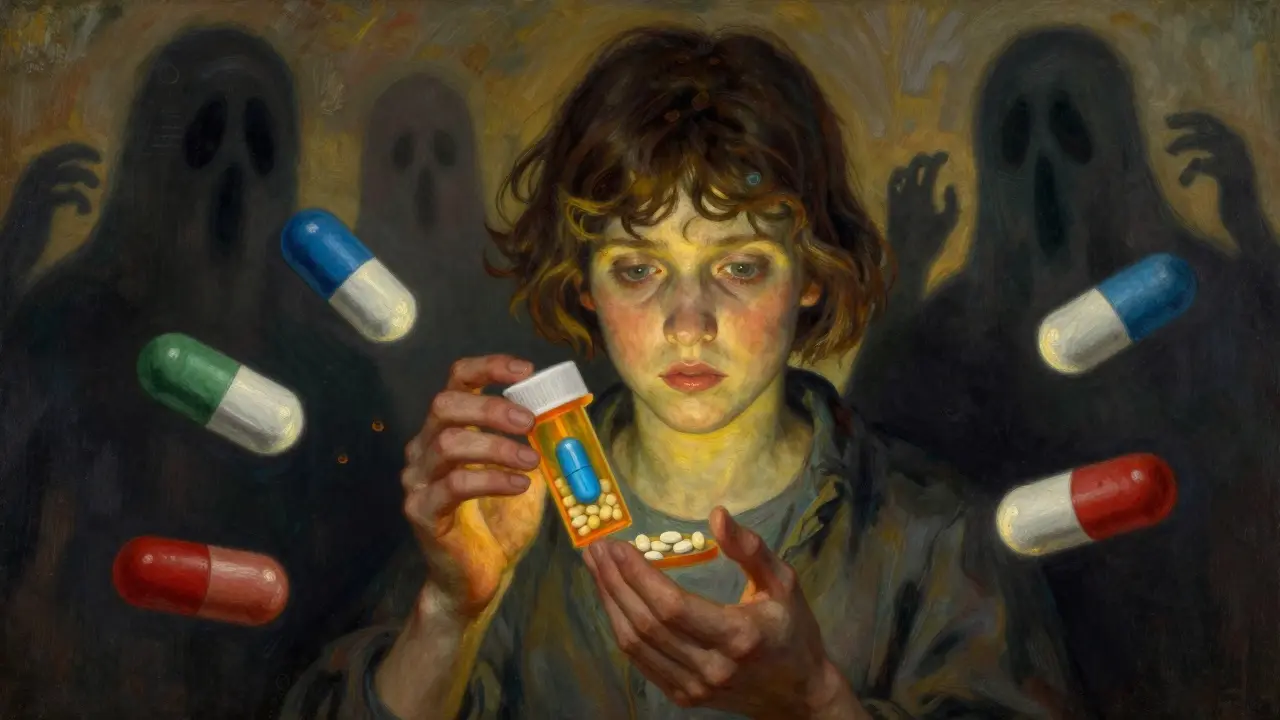
When you’re managing epilepsy, even a small change in your medication can mean the difference between staying seizure-free and facing a life-threatening event. Generic substitution - swapping a brand-name antiseizure drug for a cheaper, chemically similar version - sounds simple on paper. But for many people with epilepsy, it’s anything but.
Why This Matters More Than You Think
Antiseizure medications (ASMs) aren’t like antibiotics or blood pressure pills. Many of them have a narrow therapeutic index (NTI), meaning the gap between a dose that works and one that causes harm is tiny. A 15% drop in blood levels? That could trigger a breakthrough seizure. A 20% spike? You might get dizziness, confusion, or even toxic reactions. The FDA says generics are safe because they meet bioequivalence standards: their absorption in the body must fall within 80% to 125% of the brand-name drug. That sounds precise - until you realize that for drugs like lamotrigine, carbamazepine, or valproic acid, even a 5% shift outside that range can be dangerous. And here’s the catch: those standards were never designed with epilepsy in mind.The Real-World Cost of Saving Money
Generic ASMs cost 30% to 80% less than branded versions. In the U.S., over 90% of ASM prescriptions are filled with generics today. That’s a huge savings for insurers and patients - but the trade-off is real. A 2008 study in Neurology found that switching to generic lamotrigine led to a 23% increase in doctor visits and an 18% rise in hospitalizations. A 2022 global survey of 1,247 healthcare professionals found that 40% of patients experienced more seizures after switching to a generic. One Reddit user, u/ControlledChaos89, described how changing pill colors made him so anxious he had his first seizure in two years. That’s not paranoia - it’s a documented trigger. And it’s not just about seizures. Patients report nausea, rashes, fatigue, and mood swings after switching. For kids, elderly patients, or those with memory issues, the visual change in pill shape or color alone can lead to missed doses or double-dosing.What the Experts Really Say
There’s no consensus among neurologists - and that’s the problem. Dr. Jacqueline French, Chief Medical Officer of the Epilepsy Foundation, supports FDA standards but urges caution for high-risk patients. Dr. Philip Glass, who runs a top epilepsy center, says bluntly: "For NTI drugs, even small variations matter." His clinic doesn’t allow switches unless absolutely necessary. The UK’s Medicines and Healthcare products Regulatory Agency (MHRA) has been clearer than the FDA: "Consistency of supply is important where therapeutic failure might have serious consequences." That’s not just a recommendation - it’s a warning. And here’s a telling stat: in studies, 27% of patients who switched to a generic ASM switched back to the brand name. Only 12% of patients on other types of drugs did the same. That’s not coincidence - it’s evidence.
Who’s Most at Risk?
Not everyone needs to avoid generics. But certain groups should be extra careful:- Patients with frequent breakthrough seizures
- Those on multiple ASMs (polytherapy)
- People with cognitive impairments or memory issues
- Children and older adults
- Patients on ketogenic diets (some generics contain hidden carbs in fillers)
- Anyone who’s had a bad reaction to a generic before
What You Can Do: Best Practices
If you’re on an ASM, here’s how to protect yourself:- Ask your neurologist - not your pharmacist - whether your current ASM should be switched. They know your seizure history, triggers, and medication history better than anyone.
- Get it in writing - If your doctor says no to substitution, ask them to write "Dispense as written" or "Do not substitute" on the prescription. This legally prevents pharmacies from swapping brands without approval.
- Know your pills - Keep a photo of your medication on your phone. Note the shape, color, imprint, and size. If it looks different, don’t take it until you’ve called your pharmacy.
- Track your symptoms - Keep a simple log: date, pill appearance, seizure activity, side effects. Bring it to every appointment.
- Check your pharmacy - Some pharmacies use multiple generic manufacturers. Ask if they’ll stick with one brand. Many will if you request it.
The Bigger Picture
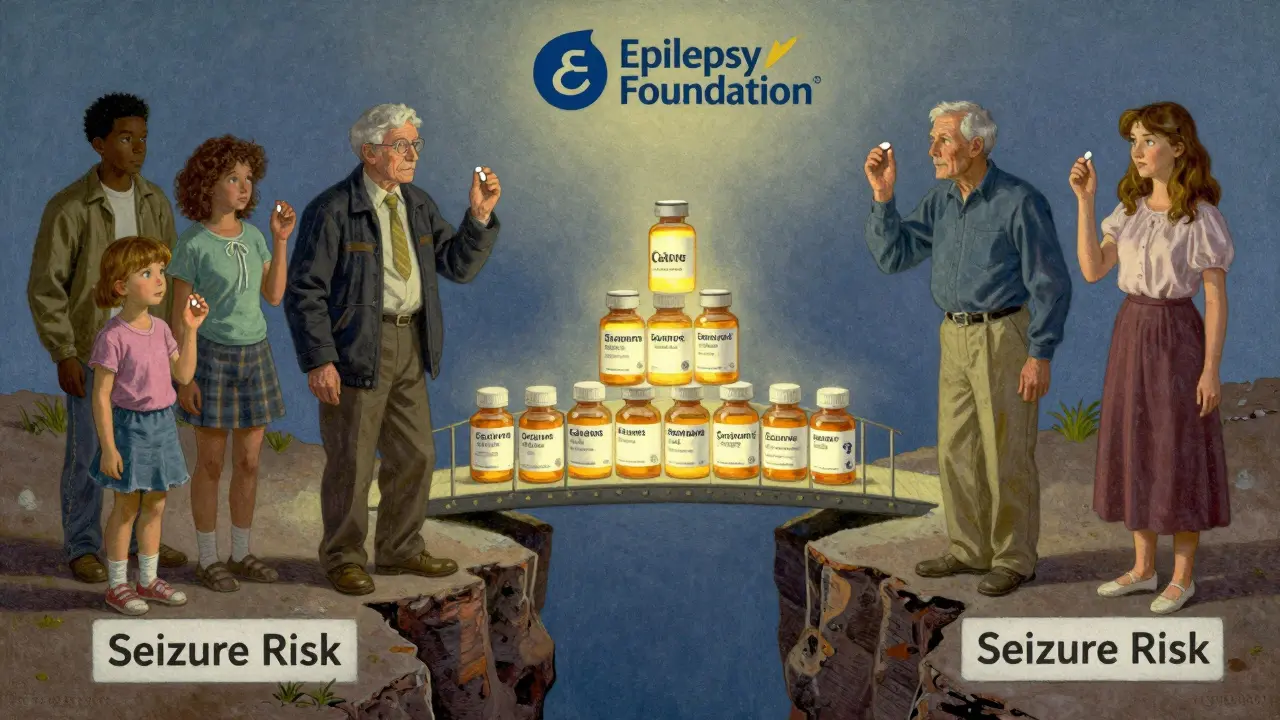
The system is built for cost, not precision. But epilepsy treatment is moving toward personalized care. Newer drugs like cenobamate and fenfluramine have complex absorption patterns. One-size-fits-all generics won’t work for them. The FDA is now considering tighter bioequivalence standards (90%-111%) for NTI drugs - a step in the right direction. But until then, patients are left to navigate a system that treats their lives like a spreadsheet. The Epilepsy Foundation’s Medication Access Program helps 12,000 patients yearly cover out-of-pocket costs so they can stay on consistent formulations. If cost is your barrier, reach out. You don’t have to choose between safety and affordability.What’s Next?
A major multi-center study (NCT04987654) is currently tracking seizure outcomes in patients who switch versus those who don’t. Results are expected by 2026. Meanwhile, the 2024 International Epilepsy Guidelines recommend individualized decisions - not blanket rules. The message is clear: what works for one person may be dangerous for another. Your treatment isn’t a commodity. It’s your safety net.Can I be forced to switch to a generic antiseizure medication?
No, not if your doctor writes "Do not substitute" or "Dispense as written" on the prescription. Pharmacists in the U.S. and U.K. are legally required to follow those instructions. If a pharmacy tries to switch your medication without your doctor’s approval, ask to speak with the pharmacist-in-charge. You have the right to refuse a substitution.
Are all generic antiseizure drugs the same?
No. While they contain the same active ingredient, different manufacturers use different fillers, binders, and coating materials. These can affect how the drug is absorbed. One generic lamotrigine might release slowly, while another releases too fast. Even small differences can matter for narrow therapeutic index drugs. That’s why many neurologists prefer to stick with one manufacturer.
What should I do if I have a seizure after switching generics?
Contact your neurologist immediately. Do not assume it’s just a "bad day." Bring the pill bottle with you - note the shape, color, and imprint. Your doctor may order a blood level test to check if your drug concentration changed. In most cases, switching back to your previous formulation will resolve the issue.
Why do some pharmacies keep switching my generic brand?
Pharmacies often switch based on which generic is cheapest or easiest to stock. Insurance plans may change which generics they cover. If you’re being switched repeatedly, ask your doctor to prescribe the brand-name version or specify a particular generic manufacturer. Some pharmacies will honor a request to always fill with the same version.
Is there help if I can’t afford the brand-name drug?
Yes. The Epilepsy Foundation’s Medication Access Program helps patients cover the cost of brand-name ASMs if switching to a generic poses a risk. Many drug manufacturers also offer patient assistance programs. Your neurologist’s office can help you apply. Never stop taking your medication because of cost - there are resources available.





Janelle Pearl
I can't believe this isn't common knowledge. My sister switched generics and had a seizure in the middle of a grocery store. We thought it was just stress until the neurologist said, 'This is exactly what happens when the absorption profile shifts.' I'm so glad someone finally put this out there.
Pharmacists don't know what we go through. They just scan the barcode and move on. We need better labeling, better training, and honestly? Maybe we need to stop letting insurance companies make these calls.
Samantha Fierro
As a nurse who works in an epilepsy clinic, I see this every single week. Patients come in panicked because their pill changed color - and they’re right to be. The difference between 80% and 125% bioequivalence isn’t science - it’s a gamble with someone’s life.
My recommendation? Always get the 'Dispense as Written' note. It’s your legal right. And if your pharmacy pushes back, ask for the pharmacist-in-charge. Most will bend if you’re calm but firm. You’re not being difficult. You’re being smart.
Robert Bliss
This is so real. I’ve been on lamotrigine for 12 years. Last year my pharmacy switched me to a new generic - same name, different pill. I felt foggy for 3 weeks. Didn’t tell anyone. Thought I was just tired. Then I had a tiny jerk at 3am. Scared the hell out of me.
Now I take a pic of every bottle. And I call before I fill. It’s a pain, but worth it. Also - shoutout to the Epilepsy Foundation. They helped me get my brand-name covered. No one should have to choose safety over rent.
Leon Hallal
Why are we even having this conversation? The system is rigged. Pharma companies make brand-name drugs just to charge more. Generics are cheaper because they’re not overpriced. If you can’t handle a slight change in your pill, maybe you’re not ready for real life.
Stop being so fragile. Everyone else takes generics. Why are you special?
Neeti Rustagi
While I appreciate the intent of this post, it is imperative to note that the FDA’s bioequivalence standards are rigorously validated through clinical pharmacokinetic studies. To suggest that a 5% deviation outside the 80%-125% range is inherently dangerous is misleading. The variability observed in patients is often confounded by adherence, comorbidities, and metabolic differences - not the generic formulation itself.
Moreover, in low-resource settings, denying access to generics is ethically indefensible. The solution lies not in restricting substitution, but in improving patient education and pharmacovigilance systems. A blanket avoidance policy risks denying care to those who need it most.
Nicholas Gama
The FDA is in bed with Big Pharma. They let generics slide because they don’t want to disrupt profits. But if you look at the raw data - the 27% who switch back? That’s not coincidence. That’s a cover-up.
They don’t want you to know that the fillers in generics are sometimes laced with allergens. Or that some manufacturers use animal-derived binders. And don’t get me started on the Chinese factories.
My cousin’s EEG showed abnormal spikes after switching. They told her it was 'stress.' Bullshit.
rafeq khlo
This is why America is broken. People are too lazy to take responsibility. You want stability? Stay on the same brand. Don’t blame the pharmacy. Don’t blame the insurance. Blame yourself for not being proactive.
And if you can’t afford it? Then maybe you shouldn’t be on expensive meds. There are cheaper alternatives. Or you could get a job. Or move somewhere with better healthcare. Stop whining and fix your life.
Ray Foret Jr.
I just wanna say thank you for writing this. I’ve been silent for years because I thought I was crazy. Then last year I had a seizure after my pill changed shape. I cried in the parking lot.
Now I have a folder on my phone with pics of my meds. I call my pharmacy every time. I even wrote a letter to my rep.
It’s exhausting. But I’m still here. And so are you. 💪❤️