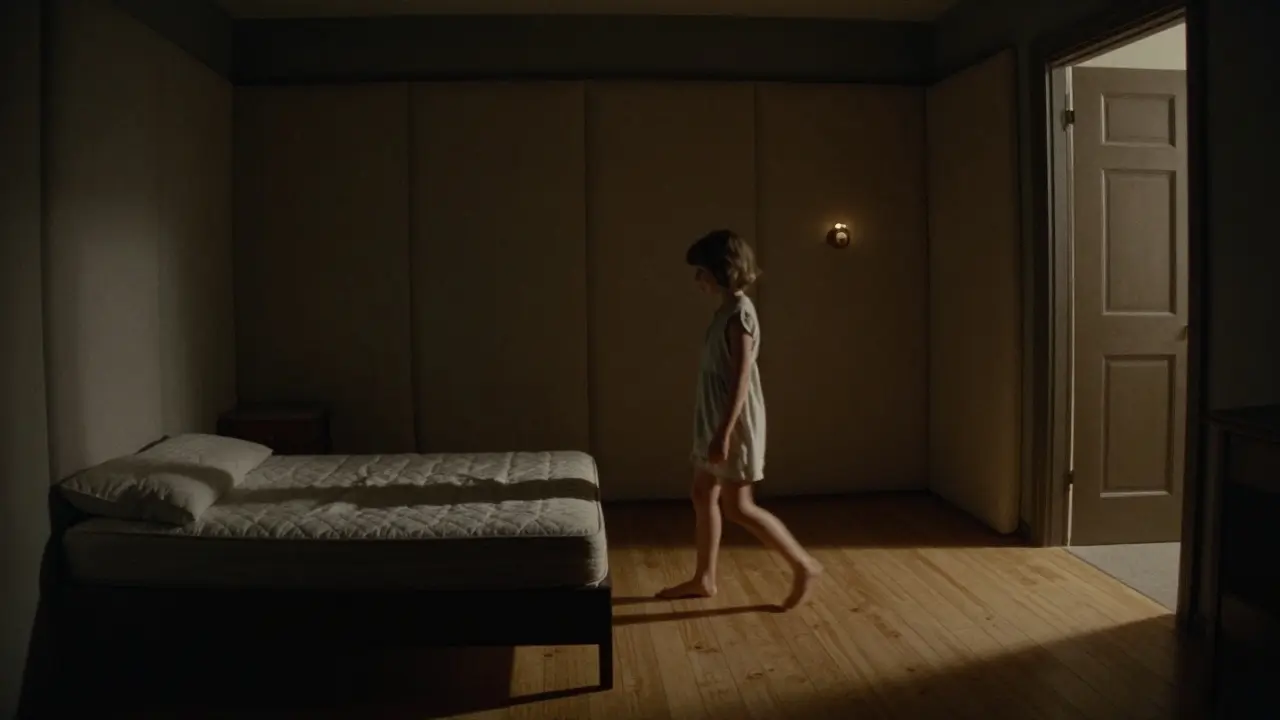
Imagine waking up in the hallway, barefoot, with no memory of how you got there. Or finding your kitchen cabinets open at 3 a.m., half-eaten food on the counter, and a knife still in your hand. These aren’t nightmares-they’re real episodes of parasomnia, and they happen more often than you think. Around 1 in 10 children and 1 in 40 adults experience sleepwalking, night terrors, or other sleep-related behaviors that put them at risk of serious injury. The good news? You don’t have to wait for harm to happen. With the right bedroom changes, you can turn your sleeping space into a safe zone-even if the person sleeping doesn’t know they’re in danger.
Why Parasomnia Is More Dangerous Than It Looks
Parasomnia isn’t just tossing and turning. It’s when the brain partially wakes up but the body doesn’t fully follow. This mismatch can cause someone to walk, talk, eat, or even drive-while still asleep. The American Academy of Sleep Medicine reports that 17% to 38% of frequent sleepwalkers suffer injuries during these episodes. That’s not rare. That’s a real, measurable risk. Falls, burns, cuts, and even jumping out of windows have all been documented. In the U.S. alone, emergency rooms see about 8,000 parasomnia-related injuries every year. Most happen in bedrooms because that’s where people are most vulnerable: lying down, unaware, and surrounded by hazards they’d never touch while awake.Lower the Bed-It’s That Simple
One of the most effective, low-cost changes you can make is lowering the bed. Standard beds are 18 to 24 inches off the floor. A fall from that height can cause broken bones, head trauma, or worse. MetroHealth Medical Center found that bringing the mattress down to floor level eliminates 92% of fall-related injuries. You don’t need a fancy bed frame. Just remove the legs, use a low-profile foundation, or even place the mattress directly on the floor with a thin foam pad underneath for comfort. For kids or adults who frequently get up during the night, this single change cuts the risk of serious injury almost in half.Block the Edges-Bed Rails with Padding
If lowering the bed isn’t an option, install padded bed rails. Not the flimsy, plastic ones you see in nursing homes. You need rails that extend at least 16 inches above the mattress and are covered in thick, soft foam. Duke Health’s data shows these reduce roll-outs by 78%. Make sure the padding is firm enough to stop movement but soft enough to cushion impact. Attach them securely to the bed frame-not just the mattress-so they don’t slip during an episode. This is especially critical for children and older adults who may thrash or sit up suddenly.Clear the Room-No Clutter, No Trips
A cluttered bedroom is a minefield for someone sleepwalking. Furniture, rugs, electrical cords, shoes, books-all of it becomes a potential hazard. The Whitney Sleep Center recommends removing all objects within a 6-foot radius of the bed. That means no nightstands with lamps, no chairs with clothes on them, no area rugs that can catch a foot. Even small items like a glass of water left on the floor can lead to spills, slips, or burns if knocked over. Keep the floor clear. If you need a lamp, mount it on the wall. If you need to store shoes, put them in a closet. This isn’t about minimalism-it’s about survival.Lock the Windows-But Keep Them Escape-Ready
Windows are a silent killer in parasomnia cases. People have been known to climb out, fall through, or even open them wide and step into the night air without realizing where they are. Child Neurology Foundation guidelines now require secondary locks on second-story windows that need a 10-pound force to open. That’s enough to stop a sleepwalker but still allows firefighters or family members to push open in an emergency. Install window stops that limit opening to 4 inches or less. Avoid screen-only windows-they offer zero protection. And never rely on just a latch. A determined sleepwalker can easily push through one.Alarm the Doors-Before They Walk Out
A door alarm is one of the most reliable tools for catching an episode before it turns dangerous. Kaiser Permanente recommends electronic door alarms that trigger at 0.5 decibels of movement. These are sensitive enough to detect a foot shifting under the covers, let alone someone getting out of bed. The Sleep Guardian Pro model, used in their pediatric trials, activates within 0.8 seconds of movement and alerts caregivers with a soft chime. That’s enough time to gently guide the person back to bed. Avoid cheap alarms under $100-they’re too sensitive and trigger false alarms up to 3 times a night. Medical-grade systems, like those used in sleep clinics, have fewer than 0.4 false alarms per night. Look for models with adjustable sensitivity and battery backup.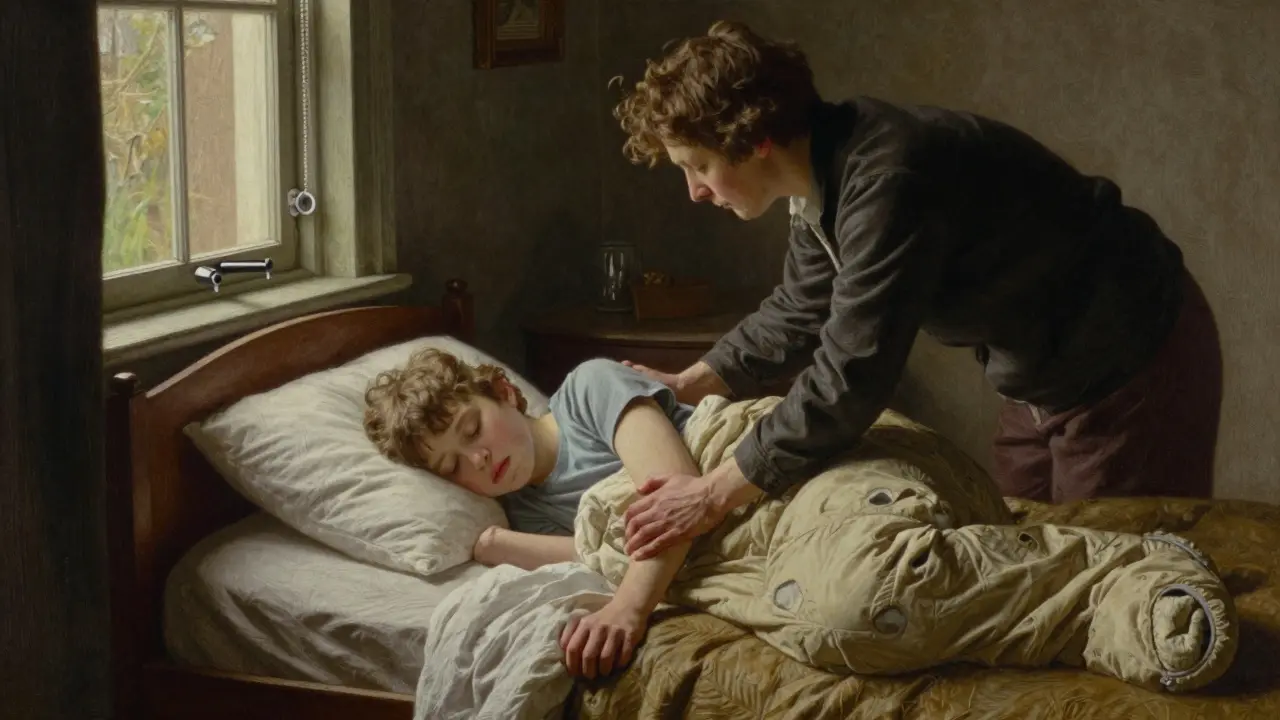
Padded Walls-Because Walls Are Hard
If someone walks in their sleep, they often head for the nearest wall. And when they hit it-hard-they can bruise, fracture, or concuss themselves. Cleveland Clinic’s 2022 safety protocol calls for 2-inch thick, high-density foam padding along all walls within 3 feet of the bed. This isn’t decorative. It’s impact protection. Tested against real sleepwalking episodes, this padding reduces head and body injuries by 85% compared to standard carpet or drywall. You can buy peel-and-stick foam panels designed for gym floors or children’s playrooms. Install them from floor to waist height. It’s cheap, easy, and saves lives.Sleep in a Sleeping Bag-Yes, Really
It sounds strange, but sleeping in a full-length sleeping bag with armholes has been clinically proven to limit sleepwalking distance. MetroHealth’s 2019 trial found it reduced how far someone walked during an episode by 73%. Why? Because the bag restricts leg movement. The person can still move their arms and turn over, but they can’t take steps. It’s not about comfort-it’s about containment. For children, let them pick a favorite color or pattern. For adults, choose a breathable, machine-washable fabric. This is especially helpful if the person tends to wander toward stairs, doors, or sharp objects.Sleep on the Ground Floor-If You Can
The National Sleep Foundation’s 2023 advisory is blunt: if you live in a multi-story home and someone has frequent parasomnia episodes, sleep on the ground floor. Why? Because 92% of serious injuries happen in upper-level bedrooms. Stairs are the #1 danger zone. A sleepwalker can tumble down and suffer fatal injuries. Moving the bedroom to the first floor isn’t always possible-but if it is, do it. Even if you have to rearrange furniture, buy a new bed, or temporarily convert a living room into a sleep space, the safety gain is worth it. This isn’t a luxury. It’s a medical necessity for high-risk cases.Fix Your Sleep Habits-It’s Not Just About the Room
You can make the room perfectly safe, but if the brain keeps triggering episodes, you’re fighting a losing battle. Sleep hygiene matters just as much as physical barriers. The American Academy of Sleep Medicine says sticking to the same sleep schedule-within 30 minutes of the same bedtime and wake time every day-reduces parasomnia frequency by 42% in adults and 57% in kids. No weekend oversleeping. No late-night Netflix binges. Also, cut out screens 2 hours before bed. The blue light disrupts melatonin and increases arousal. Avoid caffeine after 2 p.m. and alcohol within 4 hours of sleep. Alcohol doesn’t help you sleep-it fragments it, and that’s when parasomnias spike. Finally, try a 20-minute wind-down routine: deep breathing, progressive muscle relaxation, or listening to calm music. Duke Health’s data shows this cuts episode frequency by 37%.Don’t Wake Them-Redirect Them
One of the biggest mistakes caregivers make is trying to wake someone during a parasomnia episode. The American Academy of Sleep Medicine found that 97% of sleep specialists agree: sudden awakening increases the chance of violent reactions by 68%. Instead, use a calm, low voice-around 45 to 55 decibels-and gently guide them back to bed. Don’t grab. Don’t shout. Just say, “It’s time to go back to sleep,” and lead them by the elbow. Most episodes end within 30 seconds this way. If they’re heading toward danger, block their path calmly. Your goal isn’t to stop the episode-it’s to keep them safe until it ends.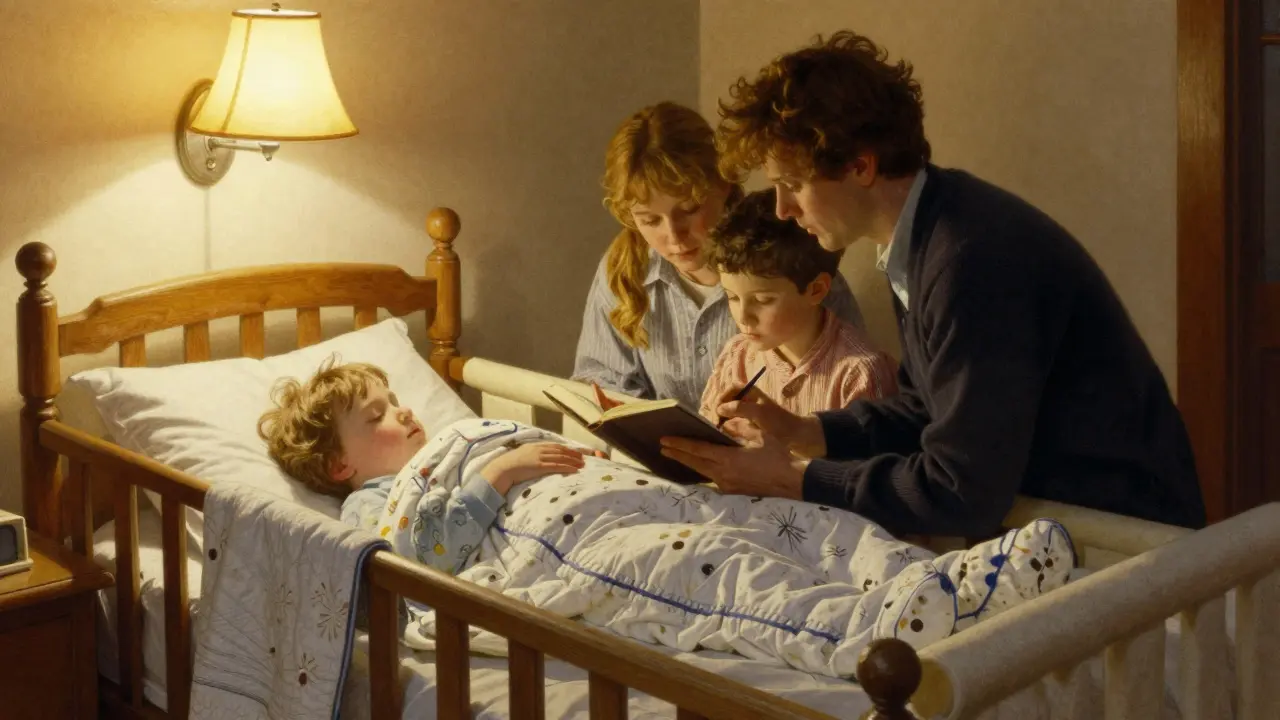
Try Scheduled Awakenings-For Kids and Frequent Episodes
If someone has the same episode at the same time every night-say, 1 a.m.-you can interrupt it before it starts. This is called scheduled awakening. Use a sleep diary for 14 nights to find the pattern. Then, set an alarm 15 to 30 minutes before the usual episode time. Gently wake the person, keep them fully awake for 5 minutes, then let them go back to sleep. Repeat every night for 2 weeks. A 2019 study in Pediatrics showed this reduced non-REM parasomnias by 53% in children. It’s not a cure, but it’s a powerful tool that works without medication.Medication? Only as a Last Resort
For severe cases with repeated injuries, doctors may consider medication. Clonazepam at 0.5 to 1.0 mg nightly reduces injury risk by 76%, but it carries a 32% risk of dependency over 5 years. Melatonin-2 to 5 mg taken 2 hours before bed-is safer, especially for children. The Child Neurology Foundation’s trial with 317 kids showed a 41% drop in episodes with no serious side effects. Never start medication without a sleep specialist’s guidance. It’s not a quick fix. It’s a tool for high-risk situations, not routine cases.Test, Maintain, Involve Everyone
Safety gear doesn’t last forever. Alarms need weekly testing. Foam padding gets dusty. Door sensors can lose battery. The National Sleep Foundation says weekly checks keep equipment 99.2% reliable. Monthly? It drops to 87%. For kids, involve them in choosing alarm sounds or padding colors. A 2023 survey found 83% of children complied better when they helped design their safety space. It turns fear into control. And for caregivers, get trained. The Whitney Sleep Center recommends at least 3 hours of safety protocol training. That cuts emergency response time by 62%.It’s Getting Better-And You Can Be Part of It
The sleep safety market is growing fast. In 2023, it hit $2.3 billion globally. Insurance companies are starting to cover safety modifications-68% now pay for at least half of approved changes. And new tech is on the horizon. Cleveland Clinic is testing AI systems that predict an episode 90 seconds before it starts, with 89% accuracy. That could mean lights turning on automatically, alarms sounding, or even gentle vibrations to nudge someone back to sleep before they even get up. The future is smart, but the present is simple: lower the bed, lock the windows, clear the floor, and use a door alarm. These aren’t just tips. They’re proven, life-saving steps.Can parasomnia be cured?
Parasomnia often resolves on its own, especially in children-many outgrow it by adolescence. In adults, it may persist but can be controlled with safety measures and sleep hygiene. While there’s no guaranteed cure, injury risk can be reduced to near-zero with the right environment and routines. Medication can help in severe cases but doesn’t eliminate the root cause.
Are bed alarms worth the cost?
Yes, if you’re dealing with frequent sleepwalking or night terrors. Medical-grade alarms cost $150-$300 and trigger with 97% accuracy. Cheap ones under $100 often give 3 false alarms a night, which leads to ignored alerts. The real cost isn’t the device-it’s the ER visit you avoid. Insurance may cover it if prescribed by a sleep specialist.
What should I do if someone sleepwalks into the kitchen?
Never let them access the kitchen unsupervised during episodes. Lock away knives, sharp tools, and appliances. Install childproof locks on cabinets. Keep the microwave and stove turned off and unplugged overnight. If they’re already there, calmly guide them back to bed. Don’t argue, don’t scold. Just lead them. Afterward, check for burns, cuts, or open containers.
Can alcohol trigger parasomnia?
Yes. Alcohol fragments sleep and increases deep sleep disruptions, which is exactly when parasomnias occur. Even one drink within 4 hours of bedtime can double the chance of an episode. The Cleveland Clinic recommends avoiding alcohol entirely if you or a loved one has parasomnia. Same goes for sedatives and sleep aids-they can make it worse.
How long does it take to see results after making changes?
Most families see fewer episodes and zero injuries within 2 weeks of implementing safety changes. Scheduled awakenings and consistent sleep schedules take 2-4 weeks to show full effect. The key is consistency. Don’t skip a night. Even one lapse can undo progress. Track episodes in a simple journal to see patterns and improvements.
Should I call a doctor if my child sleepwalks?
Not every sleepwalker needs a doctor. Occasional sleepwalking in children under 12 is normal. But if episodes happen more than once a week, involve injury, last longer than 10 minutes, or continue past age 12, see a sleep specialist. Also, if the child seems confused, scared, or has trouble waking, it’s time to get evaluated. Early intervention prevents long-term risks.



brooke wright
I used to sleepwalk every night until I put my mattress on the floor. No more broken toes, no more midnight trips to the fridge. My dog even started sleeping beside me now because he knows I’m not gonna stumble over him. Best $0 investment ever.
Also, the sleeping bag thing? Genius. My kid wears his Spider-Man one and doesn’t even complain. He thinks it’s cool. I think it’s life-saving.
Nick Cole
People keep talking about lowering the bed like it’s some magic trick but no one mentions how hard it is to get up when you’re 6’2” and your mattress is on the floor. I tried it. Woke up with lower back pain for a week. Padded rails and door alarms? Yes. Floor mattress? Only if you’re under 5’6” or don’t care about your spine.
Also, wake someone up? Never. I learned that the hard way when my sister screamed and punched me in the face during a night terror. Just grab their elbow. Soft voice. Done.
Isabella Reid
As someone who grew up in a house where my dad sleepwalked and once tried to ‘fix’ the TV with a hammer, I can say this: safety isn’t optional. We didn’t have any of these tools back then. Just prayers and panic.
Now I’ve got foam padding on all walls, a door alarm that sounds like a gentle chime, and my partner sleeps in a breathable sleeping bag. It’s not weird anymore-it’s normal. Like wearing a seatbelt. Nobody judges you for it. They should be jealous you’re not in the ER.
Also, scheduled awakenings worked for my niece. We set the alarm for 1:15 a.m., woke her up, had her drink water, then tucked her back in. After two weeks? Zero episodes. No meds. Just consistency.
Christina Bilotti
Oh wow. So we’re recommending people sleep in a sleeping bag like they’re camping in a post-apocalyptic bunker? And foam padding on the walls? Next you’ll tell me to install a moat around the bedroom.
Let me guess-this is the kind of advice you get when you’ve never met a real sleep specialist and just binge-read Reddit threads for 3 hours. The fact that you’re seriously suggesting people move bedrooms because stairs are ‘dangerous’ is either hilarious or tragic. Maybe both.
Also, ‘sleep on the ground floor’? What, are we converting our homes into assisted living facilities now? I’ll stick with my $100 alarm and a lock on the liquor cabinet. Thanks but no thanks.
vivek kumar
Interesting article but you missed one critical point: parasomnia episodes are often linked to sleep apnea. Many patients diagnosed with sleepwalking actually have undiagnosed obstructive sleep apnea. A simple home sleep study can reveal this. I’ve seen cases where CPAP therapy eliminated parasomnia entirely-no foam, no alarms, no sleeping bags. Just breathing.
Also, alcohol reduces REM sleep but increases slow-wave sleep, which is when NREM parasomnias occur. So yes, avoid alcohol-but also get tested for apnea. It’s not just about environment. It’s about physiology.
Rob Deneke
Lower the bed. Lock the doors. Clear the floor. That’s it. You don’t need to overthink this. I did all three last month and my wife hasn’t walked out of the room since. She still talks in her sleep but she doesn’t get hurt anymore. Simple. Cheap. Works.
Also stop buying those expensive alarms. I got a $40 one from Amazon that beeps when the door opens. It’s loud enough to wake me up but not loud enough to scare the cat. Been working for 6 weeks. No false alarms. Done.
evelyn wellding
OMG I JUST DID THIS!!! 😱
My boyfriend sleepwalks and once tried to open the front door in his underwear. I was like NOPE. So I got him a cute lavender sleeping bag with armholes (he thought it was funny at first) and installed a door alarm that goes ‘ding-dong’ like a doorbell. He says it’s like being hugged by safety 😊
Also cleared the floor and now our bedroom looks like a spa. No more tripping over socks! We’re both sleeping better. Thank you for this post!! 💖
Chelsea Harton
i just put a baby gate at my door and its fine. no need for all this other stuff. sleep is weird. you just gotta roll with it.