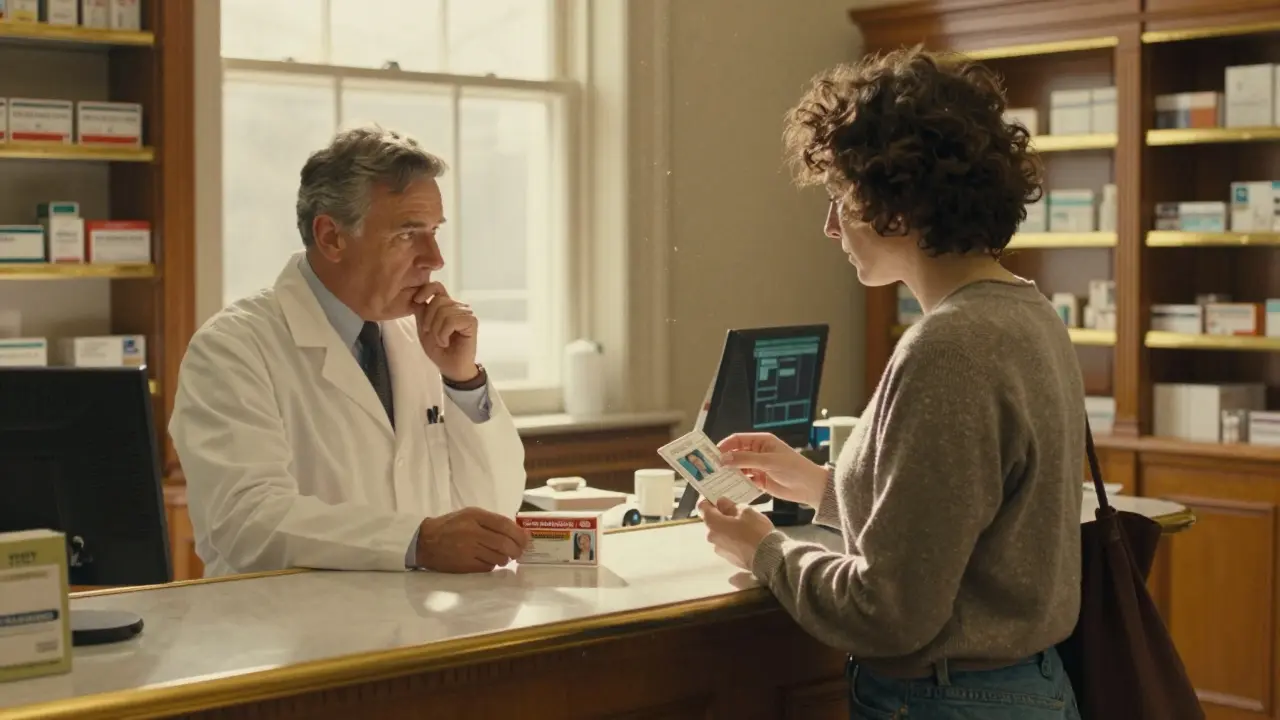
Ever walked into a pharmacy to buy cold medicine, only to be asked for ID, told to wait, and then handed a small box from behind the counter? You weren’t alone. This isn’t a security checkpoint - it’s the behind-the-counter system, a middle ground between prescription drugs and regular over-the-counter (OTC) pills you can grab off a shelf. It’s not magic. It’s policy. And it affects millions of people every year - whether they’re buying Sudafed, Plan B, or insulin at Walmart.
What Exactly Is Behind-the-Counter?
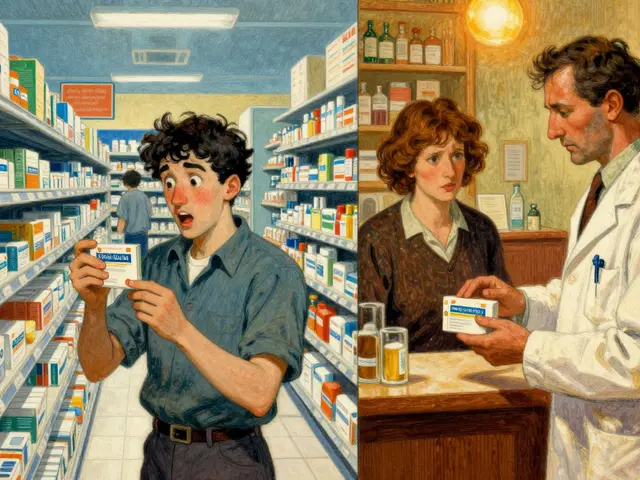
Beyond the traditional OTC aisle and prescription counter, there’s a third category: medications you can buy without a doctor’s note, but only after talking to a pharmacist. These are called behind-the-counter (BTC) drugs. They’re not illegal. They’re not prescription-only. But they’re not just sitting on the shelf either. You have to ask for them. Show ID. Get asked a few questions. And your purchase gets logged.
This system started in 2006 after Congress passed the Combat Methamphetamine Epidemic Act. The goal? Stop people from buying huge amounts of pseudoephedrine - a common decongestant - to cook illegal meth. The solution? Move it behind the counter. No more bulk purchases from gas stations. No more fake IDs. Just controlled access through trained professionals.
Since then, the BTC model has grown. It’s not just about meth. It’s about balancing safety and access. Pharmacists aren’t gatekeepers. They’re intermediaries. They help you avoid misuse, overdose, or dangerous interactions - without forcing you to see a doctor first.
Common Behind-the-Counter Medications
There are about 15-20 BTC medications in the U.S. today. Here are the big ones:
- Pseudoephedrine - Found in Sudafed, Claritin-D, Allegra-D. This is the original BTC drug. Each tablet has 30-60mg. Federal law limits you to 3.6 grams per day and 9 grams per month. You need a photo ID. Every purchase is tracked through NPLEx, a national database used in 45 states.
- Emergency contraception - Plan B One-Step, Next Choice, and generic levonorgestrel pills. Available without a prescription to anyone 17 and older (though some states allow 16 or younger). Must be requested from a pharmacist. Age is verified, but no doctor visit needed. Effectiveness is around 89% if taken within 72 hours.
- Insulin - Walmart’s ReliOn brand (regular and NPH insulin) is sold behind the counter for $25-$40 per vial. No prescription required. This is huge for people without insurance. Newer insulins like NovoLog? Still prescription-only.
- Codeine cough syrup - In Oregon and Mississippi, low-dose codeine (up to 12.8mg per dose) can still be bought BTC. In most other states? Prescription only now.
Why these drugs? Because they’re effective but carry risks. Pseudoephedrine can raise blood pressure. Emergency contraception shouldn’t be used regularly. Insulin? Wrong dose = hospital trip. Pharmacists catch these things before they become problems.
Why Not Just Make Them Regular OTC?
You might wonder: why not just put pseudoephedrine on the shelf like ibuprofen? Because it works better than the OTC alternative. Studies show pseudoephedrine relieves nasal congestion in 72% of users. Phenylephrine - the common OTC decongestant - works in only 38%. So if you want real relief, you need pseudoephedrine. But because it’s also a meth precursor, regulators chose BTC over full OTC status.
Same with Plan B. If it were fully OTC, minors could buy it without any oversight. BTC status lets pharmacists confirm age, answer questions, and even offer alternatives - like ulipristal acetate (Ella), which works up to 120 hours after unprotected sex.
And insulin? Making it fully OTC could lead to dangerous self-prescribing. People with diabetes need guidance. The BTC model lets pharmacists check for signs of poor control, warn about hypoglycemia, and connect patients with support programs.
What Happens When You Buy a BTC Medication?
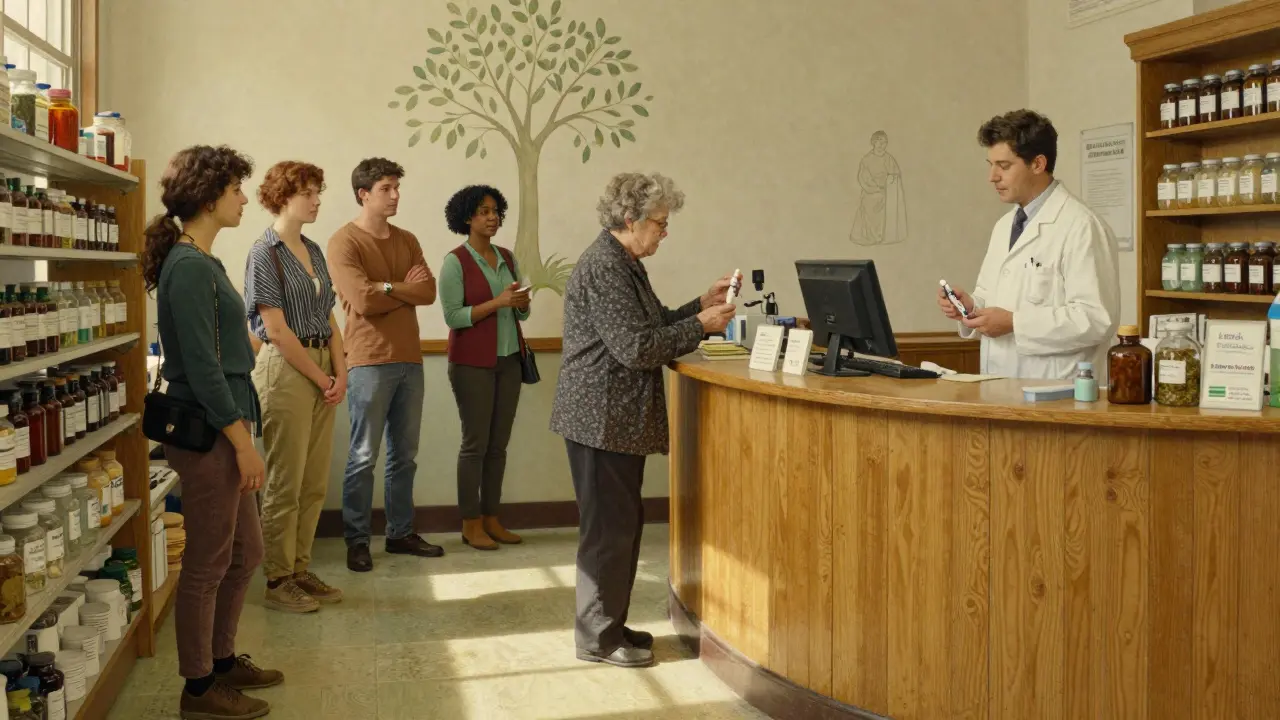
It’s not complicated, but it’s not instant either. Here’s what you’ll go through:
- Ask for the product by name. Don’t just point - pharmacists can’t reach behind the counter unless you speak up.
- Provide a government-issued photo ID. Driver’s license, passport, state ID - anything official.
- Answer a few questions. "Are you buying this for yourself?" "Have you bought this before this month?" They’re checking limits.
- Your purchase is logged. The pharmacy enters your ID info and quantity into a national system (NPLEx for pseudoephedrine). This prevents you from hitting multiple stores.
- Wait 5-7 minutes. The pharmacist may give you a quick safety talk. That’s normal.
Some states have stricter rules. Oregon limits pseudoephedrine to 7.5 grams per month. Texas allows 9 grams. California requires electronic tracking. If you travel, you’ll notice differences. It’s confusing - and that’s part of the problem.
The Hidden Costs and Problems
BTC isn’t perfect. For pharmacies, it’s expensive. Installing tracking software costs about $1,200 per location annually. Staff need 8 hours of training each year. That’s time and money - and it shows up in wait times.
For customers, the biggest issue is inconsistency. A 2022 Kaiser Health News investigation found that 22% of pharmacies sold Plan B to underage teens without checking ID. Meanwhile, other pharmacies refused to sell it to women who were clearly old enough. It’s random. Unfair. And it creates distrust.
And then there’s bias. A 2021 University of Michigan study found Black customers were 3.2 times more likely to be questioned or refused when buying pseudoephedrine - even when their purchase history matched white customers exactly. That’s not policy. That’s prejudice. And it’s happening in real time.
For rural Americans? It’s worse. About 60 million people live more than 10 miles from a pharmacy. If you’re in a small town and your local pharmacy runs out of pseudoephedrine? You’re out of luck. No Amazon delivery. No drive-thru pickup. Just a long drive - if you have a car.
Who Supports BTC? Who Opposes It?
Pharmacists? Most support it. The American Pharmacists Association says pharmacists are "uniquely positioned" to assess whether these drugs are safe for you. A 2023 Pharmacy Times survey found 73% of pharmacists want to expand BTC to more medications.
But not everyone agrees. Dr. Aaron Kesselheim from Harvard says the pseudoephedrine restrictions haven’t stopped meth production - they’ve just pushed users to other chemicals. And while BTC helped reduce meth labs, it didn’t eliminate them. He argues the system creates more hassle than safety.
On the other side, experts like Dr. John Santa from Consumer Reports say BTC is the "right balance." It keeps drugs accessible while adding a layer of professional oversight. The FDA agrees. Their 2022 OTC Innovation Roadmap calls BTC a "promising pathway" for moving prescription drugs into nonprescription status.
What’s Next? The Future of BTC
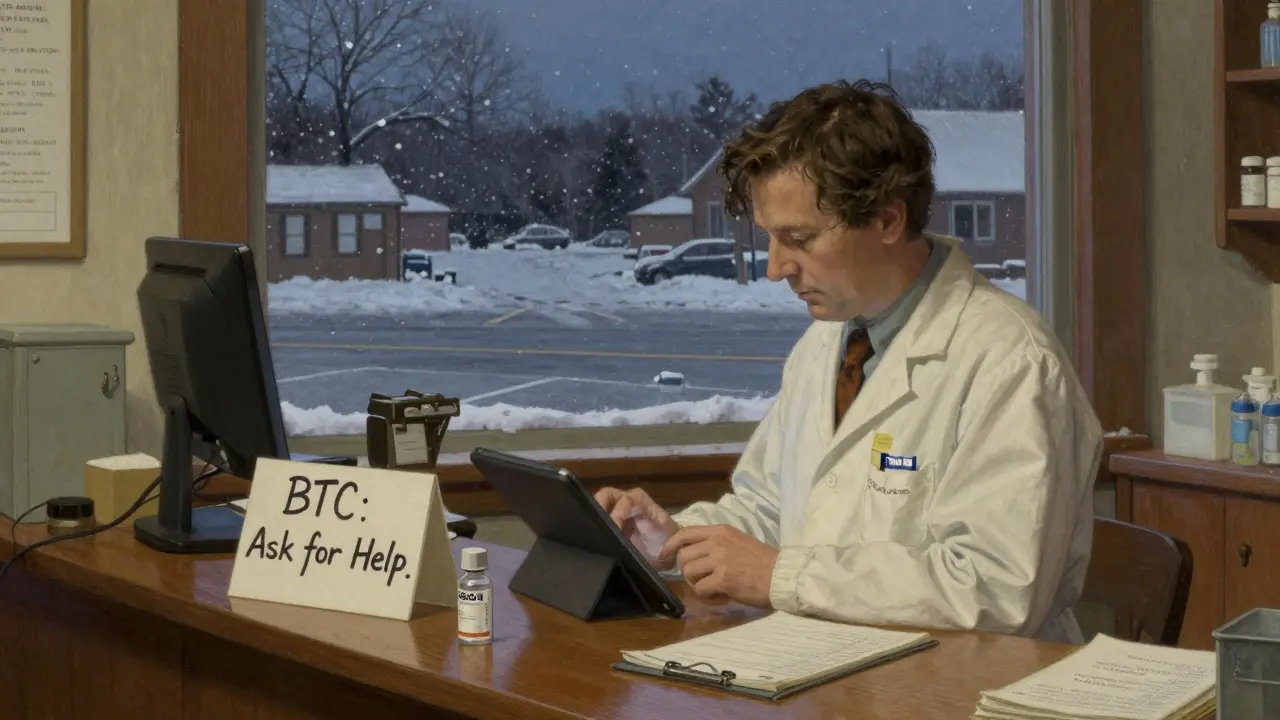
The BTC category is expanding. In May 2023, the FDA approved LoRez - a low-dose naltrexone - for alcohol use disorder, sold behind the counter. That’s a big deal. It’s the first BTC opioid treatment.
Analysts predict 5-7 more prescription drugs will shift to BTC status by 2027. Top candidates:
- Low-dose atorvastatin (for cholesterol)
- 150mg mifepristone (for gynecological conditions)
- Some asthma inhalers
By 2026, the BTC market could hit $8.5 billion - 7% of all OTC sales. That’s not small. It’s a growing piece of the $120 billion OTC market.
But without federal standardization, it’s a mess. Right now, 28 different state laws govern BTC sales. One state requires ID. Another doesn’t. One tracks purchases. Another doesn’t. That’s not safety - it’s chaos.
What Should You Do?
If you need a BTC medication:
- Know what you’re asking for. Don’t say "that cold medicine." Say "pseudoephedrine" or "Plan B."
- Bring ID. Always. Even if you’ve bought it before.
- Be patient. The pharmacist isn’t slowing you down - they’re helping you.
- Ask questions. "Is this safe with my other meds?" "Are there cheaper options?" Pharmacists are trained to answer.
- If you’re refused unfairly? Know your rights. In most cases, if you meet the age and quantity limits, they must sell it.
If you’re a caregiver, parent, or someone helping a loved one:
- Don’t assume they know how to get it. Walk them through it.
- Check state rules if you’re traveling.
- Look for community programs. Some pharmacies offer free delivery or pickup for seniors or people with mobility issues.
Final Thoughts
BTC medications aren’t about control. They’re about smart access. They let you get what you need - quickly, safely, without a doctor - while keeping dangerous misuse rare. The system isn’t flawless. It’s inconsistent. It’s sometimes unfair. But it works better than the alternatives.
For now, it’s the middle ground. And for many people - whether they’re managing diabetes, avoiding an unwanted pregnancy, or fighting a bad cold - that middle ground is the only thing standing between them and a bigger health problem.
Can I buy pseudoephedrine without an ID?
No. Federal law requires a government-issued photo ID for every pseudoephedrine purchase. Even if you’ve bought it before, you must show ID each time. Pharmacies that don’t follow this risk losing their ability to sell controlled substances.
Why is Plan B behind the counter and not on the shelf?
Plan B was moved behind the counter in 2013 because the FDA wanted to ensure age verification without requiring a prescription. Before that, it was available only by prescription. The BTC model allows access to anyone 17 or older (or younger in some states) while giving pharmacists a chance to confirm age and answer questions - like how to use it or whether it’s appropriate.
Can I buy insulin without a prescription anywhere?
Only at certain retailers like Walmart, Target, and some independent pharmacies that carry ReliOn insulin. These are regular insulin and NPH - not newer analogs like Humalog or NovoLog. You can buy them without a prescription, but you still have to ask the pharmacist. They’ll verify you’re using it correctly and may offer guidance on storage and dosing.
Are BTC medications more expensive than OTC?
Not usually. The price is often the same as the OTC version - sometimes even lower. For example, generic pseudoephedrine behind the counter costs about the same as phenylephrine on the shelf. Insulin at Walmart is $25, while prescription versions can cost over $100. The difference isn’t price - it’s access.
What happens if I exceed the monthly limit for pseudoephedrine?
You won’t be able to buy more until the next month. The NPLEx system tracks your purchases nationwide. If you hit 9 grams in 30 days, the system blocks further sales - even if you go to a different store. There’s no way around it. This is intentional to prevent large-scale diversion for meth production.


Justin Archuletta
Finally someone explains this right! I’ve bought Sudafed like 3x this year and each time it’s a 5-minute chat with the pharmacist. Not a hassle - a safety net. 🙌
Srividhya Srinivasan
Let me guess - the government’s just using ‘meth’ as an excuse to control women’s bodies, right? 😏 Plan B? Insulin? They’re all just stepping stones to the New World Order’s pharmaceutical surveillance grid! They track your purchases… your blood sugar… your period… NEXT THEY’LL BE SCANNING YOUR TEARS FOR DATA! 🚨👁️🗨️
Prathamesh Ghodke
Bro, I get why BTC exists - but the inconsistency is wild. I bought Plan B in Chicago last week, showed ID, no problem. Then tried in rural Kentucky last month? The pharmacist looked at me like I asked for a gun. Said ‘I don’t feel comfortable.’ Uh… you’re a pharmacist. Not a moral judge. 😅
Sanjana Rajan
Oh wow, so now we’re glorifying pharmacists as saints? ‘They’re intermediaries!’ Please. Half of them are overworked, underpaid, and still think ‘Plan B’ is a dirty word. And don’t even get me started on how they treat Black women like they’re smuggling cocaine. It’s not ‘smart access’ - it’s systemic bias wrapped in a white coat.
Kyle Young
It’s fascinating how this system reflects our societal ambivalence toward autonomy and paternalism. We demand access to healthcare, yet fear unregulated access. The BTC model, then, is not merely a regulatory compromise - it is a cultural artifact. A ritual of trust mediated through bureaucracy. Does it work? Sometimes. Is it just? Debatable.
Aileen Nasywa Shabira
Oh, so now pseudoephedrine is ‘the only thing standing between us and a bigger health problem’? 😂 Tell that to the 200 people who died last year from phenylephrine because they couldn’t get the real stuff. This isn’t safety - it’s a manufactured crisis to keep pharmacies profitable. And don’t even get me started on the $25 insulin. That’s not a gift. That’s a PR stunt with a side of guilt.
Kendrick Heyward
I’m just so tired of people acting like this is ‘fair’… 😔 I had to wait 20 minutes to get my insulin last week because the pharmacist ‘needed to check my history.’ I’ve been diabetic for 12 years. I know how to use it. But no - I’m just another ‘potential abuser’ to them. This system breaks my heart. 🥺
lawanna major
It’s worth noting that the behind-the-counter model is one of the few areas in U.S. healthcare where pharmacists are legally recognized as frontline clinicians. The FDA’s 2022 roadmap isn’t just about convenience - it’s about expanding the scope of practice for a profession that’s been underutilized for decades. This isn’t bureaucracy. It’s evolution. And yes, it’s imperfect - but so is every system that tries to balance public safety with individual rights.
Ryan Voeltner
The global context is often overlooked. In Japan, pseudoephedrine is available OTC. In the UK, emergency contraception is freely accessible in pharmacies without age restrictions. The U.S. model reflects a uniquely risk-averse culture. Perhaps the real question is not whether BTC works - but why we have chosen this path over others with stronger evidence of efficacy and equity.
Linda Olsson
Let’s be real - this whole system is a performance. The ‘tracking database’? Mostly a paper trail. The ‘pharmacist consultation’? Usually a 30-second nod and a sigh. And yet we treat it like sacred ritual. Meanwhile, the real crisis - the fact that insulin still costs $100+ in most places - is being ignored because it’s easier to police a decongestant than fix a broken healthcare system.
Ayan Khan
As someone who grew up in a small Indian town where the local pharmacy was the only clinic for miles, I’ve seen what happens when access is truly restricted. The BTC model, flawed as it is, at least preserves dignity. No one is turned away because they lack insurance. No one is forced to wait weeks for a doctor’s appointment. It’s not perfect - but it’s human. And in healthcare, that matters more than we admit.
Emily Hager
While the article presents BTC as a neutral policy, it ignores the fundamental power imbalance: the pharmacist holds unilateral authority over access to essential medication. This is not oversight - it is gatekeeping. And gatekeeping, by definition, is discretionary. Discretionary systems, especially when tied to identity verification and national databases, are inherently discriminatory. The data proves it. The anecdotes confirm it. The system is not broken - it was designed this way.
Melissa Starks
Okay so I just wanna say - I love this post. Like, really. I’ve been buying Plan B since I was 18 and I’ve had EVERY kind of experience - from the super chill pharmacist who gave me a hug and asked if I was okay, to the one who looked at me like I was gonna steal a car. But honestly? The one who took the time to explain alternatives? That’s the one I remember. And that’s why I think this system, even with all its flaws, still gives people a chance to be seen. I know I sound like a hippie but… I believe in pharmacists. 🌈💖 They’re the unsung heroes who catch the little things - like when someone’s mixing insulin with alcohol or not telling them they’re pregnant. And yeah, sometimes they mess up. But most of the time? They’re trying. And that’s worth something.