BPH Decongestant Risk Checker
Step 1: Your Profile
Step 2: Select Medication
Choose the decongestant or relief method you are considering.
Risk Assessment Result
Key Factors Identified
Recommendations
Early Warning Signs Checklist
If you experience any of these within hours of taking a decongestant, stop immediately and consult a doctor.
Imagine you’re fighting a bad cold. You grab the box of Sudafed from the shelf because you know it works fast. But if you have an enlarged prostate, that same pill might just lock your bladder shut. It sounds extreme, but for millions of men with Benign Prostatic Hyperplasia, also known as BPH, this is a very real danger. BPH affects about half of all men by age 60 and up to 90% of those over 85. The problem isn't just discomfort; it's mechanical. Your prostate squeezes the urethra, making it hard to start or finish urination. When you add a decongestant like pseudoephedrine into the mix, you're essentially tightening the squeeze even more. This article breaks down why this happens, which drugs are safest, and how to keep your nose clear without ending up in an emergency room.
Why Decongestants Cause Trouble for BPH Patients
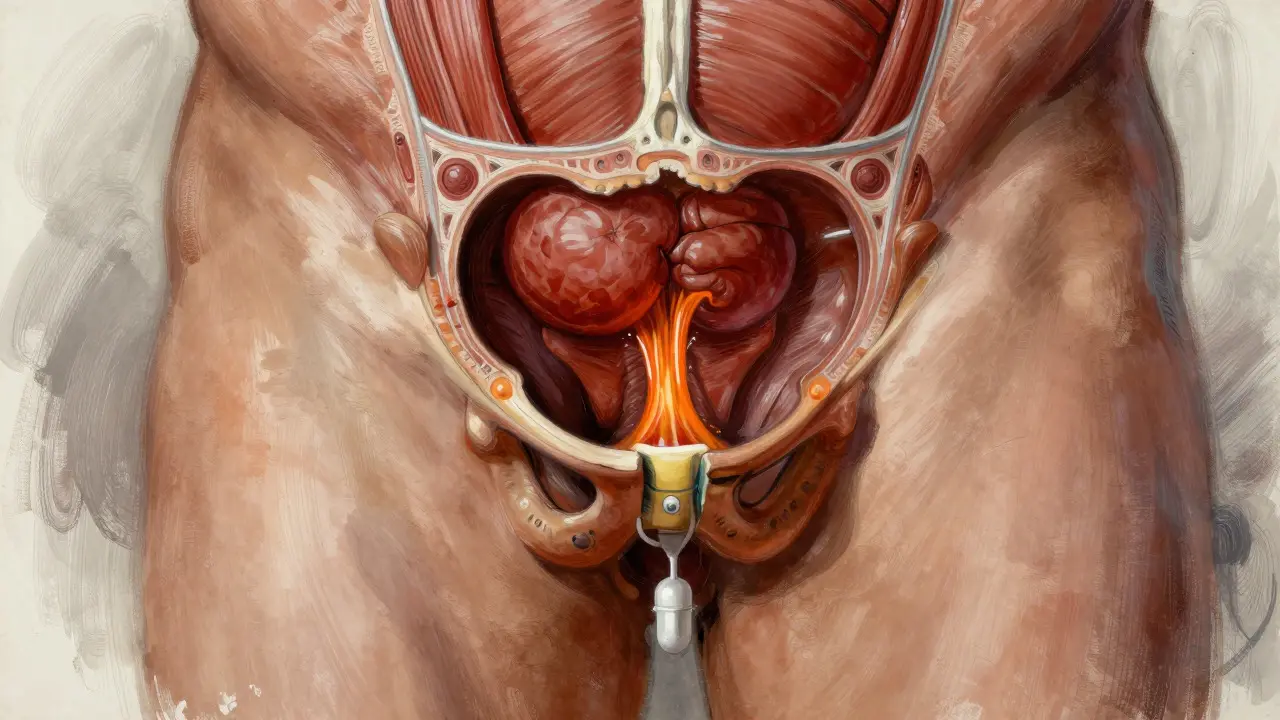
To understand the risk, you need to look at how these drugs work on a cellular level. Decongestants aren't just magic dust for your sinuses; they act on specific receptors in your body called alpha-adrenergic receptors. In a healthy body, this helps shrink swollen nasal tissues. But your prostate gland has a lot of smooth muscle controlled by these same receptors.
When you take a drug like pseudoephedrine, it tells the smooth muscle in your prostate and bladder neck to contract. For a man with a normal prostate, this usually doesn't matter much. But for someone with BPH, where the urethra is already narrowed, this extra contraction can be the tipping point. Studies show that pseudoephedrine can increase urethral resistance by 35% to 40%. That’s a massive change in pressure right when you’re trying to empty your bladder.
The result? Acute urinary retention. This is a medical emergency where you simply cannot pee. According to data from the National Institutes of Health, 85% of acute urinary retention cases in men over 65 with BPH are linked to taking inappropriate medications, with decongestants being a top culprit. It’s not just a hassle; it often requires a catheter to drain the bladder, which carries its own risks of infection and pain.
Pseudoephedrine vs. Phenylephrine: Know the Difference
Not all decongestants carry the same weight of risk. If you’ve read the labels, you’ve probably seen two main ingredients: pseudoephedrine and phenylephrine. They both do the job of clearing congestion, but their impact on your bladder differs significantly.
| Ingredient | Risk Level for BPH | Urethral Resistance Increase | Common Brand Examples |
|---|---|---|---|
| Pseudoephedrine | High | 27-40% | Sudafed, Claritin-D (with antihistamine) |
| Phenylephrine | Moderate | 15-20% | Many store-brand 'Cold & Flu' combos |
| Oxymetazoline (Nasal Spray) | Low | Minimal systemic absorption | Afrin |
Pseudoephedrine is the stronger player here. It stays in your system longer, with a half-life of 12 to 16 hours. This means the effect on your prostate lasts well after you feel your nose clearing up. A single dose can lead to symptoms persisting for up to 24 hours. Phenylephrine is slightly weaker and leaves the system faster, but it still poses a significant risk, especially for older men. One study found that men over 70 using pseudoephedrine had a 51.8% incidence of voiding dysfunction, compared to just 17.3% in men under 50. Age matters a lot here because the bladder muscle weakens over time, making it less able to push against that extra resistance.
Safer Alternatives for Congestion Relief
So, does that mean you have to suffer through a stuffy nose? Absolutely not. There are plenty of ways to manage congestion that don’t involve messing with your prostate’s smooth muscles. The goal is to target the nose directly without flooding your whole body with alpha-agonists.
- Saline Nasal Irrigation: Using a neti pot or squeeze bottle with sterile saline solution is one of the safest options. A Cochrane Review found it effective in 68% of cases. It physically washes out mucus and reduces swelling without any drug interaction. It’s cheap, easy to find, and has zero impact on your urinary tract.
- Intranasal Corticosteroids: Sprays like fluticasone (Flonase) work locally in the nose. They reduce inflammation over a few days but don’t cause the muscle contraction issues associated with oral decongestants. They are highly recommended for BPH patients who have chronic allergies or sinusitis.
- Second-Generation Antihistamines: If your congestion is allergy-driven, try loratadine (Claritin) or cetirizine (Zyrtec). Avoid first-generation antihistamines like diphenhydramine (Benadryl), which have anticholinergic effects that can also make it harder to empty your bladder. Loratadine carries a much lower risk profile for urinary issues.
If you must use a nasal spray decongestant like oxymetazoline (Afrin), stick to the limit of three days. Because it’s applied locally, less of it enters your bloodstream, reducing the risk to your prostate. However, don’t overuse it, as rebound congestion can occur.
What to Do If You Must Take a Decongestant
Sometimes, the congestion is so bad that non-drug methods just won’t cut it. Maybe you have a severe sinus infection or a bad flu. In these cases, you might need a short course of an oral decongestant. Here is how to minimize the damage.
- Talk to Your Doctor First: Don’t guess. Call your urologist or primary care provider. They know your specific BPH severity. If you are on an alpha-blocker like tamsulosin (Flomax), your doctor might say a low dose is okay. If you’re not on medication, they might prescribe a temporary adjustment.
- Follow the 48-Hour Rule: Never take a decongestant for more than two consecutive days without checking in with a healthcare professional. This keeps the exposure window small.
- Watch for Early Warning Signs: Learn what retention feels like before it becomes an emergency. Look for a weaker stream, increased straining, or the feeling that your bladder isn’t fully empty. If you notice these changes within hours of taking the pill, stop taking it immediately.
- Stay Hydrated but Don’t Overdo It: Drinking water helps flush your system, but drinking gallons at once can overwhelm a compromised bladder. Sip steadily throughout the day.
One interesting development is the concept of "medication review." Major guidelines now suggest that pharmacists should actively screen men over 50 for BPH symptoms before handing over a box of cold medicine. While this isn’t universal yet, asking your pharmacist, "Do I have BPH? Is this safe for me?" is a smart move. It takes ten seconds and could save you a hospital visit.

Expert Insights and Patient Experiences
Medical experts are increasingly vocal about this issue. Dr. Claus Roehrborn, a leading urologist, has stated that pseudoephedrine should be considered contraindicated for men over 50 with moderate to severe BPH symptoms. He argues that the risk of retention outweighs the benefit of temporary nasal relief. On the other hand, some specialists note that for men with mild symptoms, occasional use under supervision might be acceptable. The key word there is "supervision." Self-medicating without knowing your baseline is where most accidents happen.
Patient stories back up the data. Many men report that their first experience with pseudoephedrine went fine, leading them to believe it was safe. Then, during a particularly stressful week or a worse cold, the retention hit. One user on a urology forum described feeling his bladder filling but being unable to push anything out, a terrifying experience that lasted until the drug wore off. These anecdotes highlight that the risk isn't just theoretical; it’s a sudden, painful event that disrupts life. Conversely, many users praise saline rinses as game-changers, noting that while they require a bit of setup, the relief is reliable and side-effect-free.
Frequently Asked Questions
Can I take Sudafed if I have an enlarged prostate?
It depends on the severity of your BPH. For mild cases, a doctor might allow short-term use. For moderate to severe cases, it is generally best avoided due to the high risk of urinary retention. Always consult your physician before starting.
Is phenylephrine safer than pseudoephedrine for BPH patients?
Yes, phenylephrine is generally considered to have a lower risk profile because it causes less constriction of the prostate smooth muscle and leaves the body faster. However, it is not risk-free, and caution is still advised for older men.
What are the signs of acute urinary retention?
The main sign is the inability to urinate despite having a strong urge. Other early warnings include a very weak stream, frequent straining, and the sensation of incomplete emptying. If you cannot pee for several hours, seek medical attention immediately.
Are nasal sprays safe for men with BPH?
Most nasal sprays are safer than oral pills because they have minimal systemic absorption. Intranasal corticosteroids and saline rinses are excellent choices. Oxymetazoline sprays are generally safe if used for no more than three days.
Does Benadryl affect urine flow?
Yes, diphenhydramine (Benadryl) has anticholinergic properties that can relax the bladder muscle, making it harder to empty completely. It is often listed as a potentially inappropriate medication for men with BPH, similar to decongestants.