Imagine paying thousands of dollars for a medication that has been on the market for years, simply because the company found a clever legal way to keep cheaper copies off the shelves. This is not a hypothetical scenario; it is the reality of evergreening, a set of legal and business strategies used by pharmaceutical companies to extend the lifetime of their patents beyond the standard expiration date. For patients, this means higher costs. For the industry, it is a calculated move to protect billions in revenue. Understanding how these brand strategies work is essential for anyone navigating the complex world of healthcare economics.
What Is Evergreening?
At its core, evergreening is about extending exclusivity. A standard patent typically lasts for 20 years from the filing date. However, by the time a drug receives regulatory approval and hits the market, much of that time has already passed. Pharmaceutical companies use evergreening to add more years of protection after the original patent expires or is nearing expiration. They do this by securing new patents for minor modifications of an existing product rather than developing a completely new molecule.
This practice became systematic in the United States following the Hatch-Waxman Act of 1984, which created the framework for balancing patent protection with generic drug approval. While the act was designed to encourage innovation while allowing generics to enter the market once patents expired, it also opened doors for companies to file multiple patents for small changes-like a new dosage form or a different release mechanism. These secondary patents can delay generic competition for years, effectively resetting the clock on monopoly pricing.
Common Strategies Used by Pharma Companies
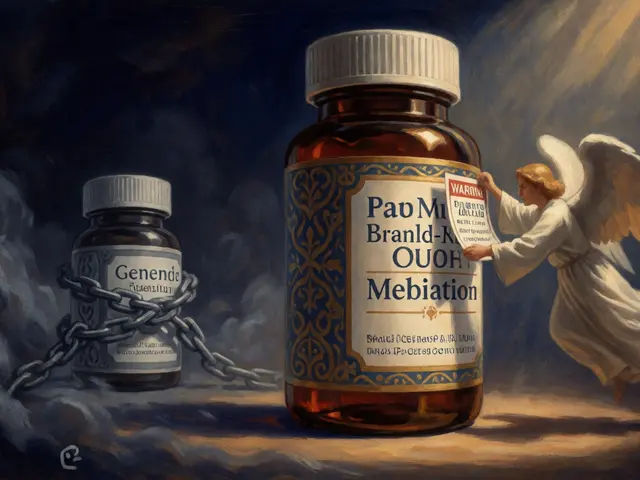
Pharmaceutical firms employ several specific tactics to achieve evergreening. One common method is product hopping, where a company introduces a slightly modified version of a drug just before the original patent expires. For example, a company might switch from a twice-daily pill to a once-daily extended-release version. Doctors are encouraged to prescribe the new version, and patients who want to stay on the treatment must switch, leaving them vulnerable to high prices since the old generic is no longer the primary option.
Another strategy involves patent thickets, which are dense webs of overlapping patents surrounding a single product. Instead of one strong patent, a company files dozens or even hundreds of patents covering various aspects of the drug, including manufacturing processes, packaging, and potential side effects. This makes it incredibly difficult and expensive for generic manufacturers to challenge the intellectual property rights. The sheer volume of patents creates a barrier to entry that discourages competition.
Companies also leverage regulatory exclusivities. Under current regulations, certain types of data submissions can grant additional periods of market exclusivity:
- New Drugs: Five years of market exclusivity.
- Old Drug with New Clinical Trials: Three years if new clinical investigations are essential for approval.
- Orphan Drugs: Seven years of exclusivity for treatments of rare diseases.
- Pediatric Studies: An additional six months of exclusivity for conducting studies in children.
By strategically submitting new data or conducting minor trials, companies can stack these exclusivities on top of existing patents, further delaying generic entry.

The Impact on Drug Prices and Patients
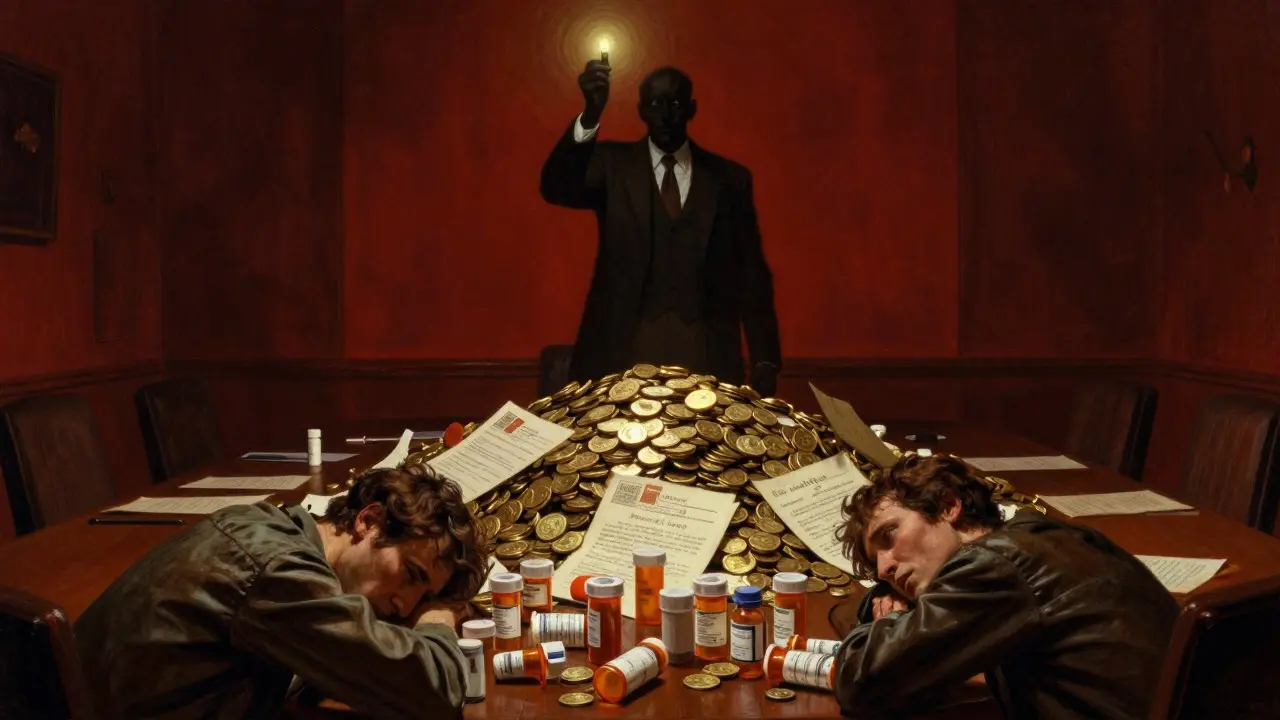
The financial impact of evergreening is significant. When generic competitors are blocked, brand-name drugs maintain their monopoly pricing power. Research indicates that generic competition typically reduces drug prices by 80% to 85% within the first year of market entry. By delaying this competition, companies keep prices artificially high.
Consider the case of Humira, a blockbuster drug for autoimmune conditions. The manufacturer filed over 247 patent applications related to the drug, creating a fortress of intellectual property that delayed generic competition until at least 2034. During this period, the drug generated approximately $40 million per day in revenue. For patients, this meant paying thousands of dollars monthly for a treatment that could have been far more affordable had generics entered the market earlier.
This dynamic affects health equity. Rising pharmaceutical prices can prevent patients from affording necessary treatments, leading to skipped doses or abandoned therapies. In low- and middle-income countries, the impact is even more severe, as evergreening practices often block access to affordable generic alternatives entirely.
Is Evergreening Legal? The Debate
The legality of evergreening is a subject of intense debate. Proponents argue that it incentivizes innovation. Developing a new molecular entity costs around $2.6 billion and takes 10 to 15 years. Extended monopolies provide the financial reward needed to justify these massive investments. From this perspective, evergreening contributes to the incentives that drive pharmaceutical research and development.
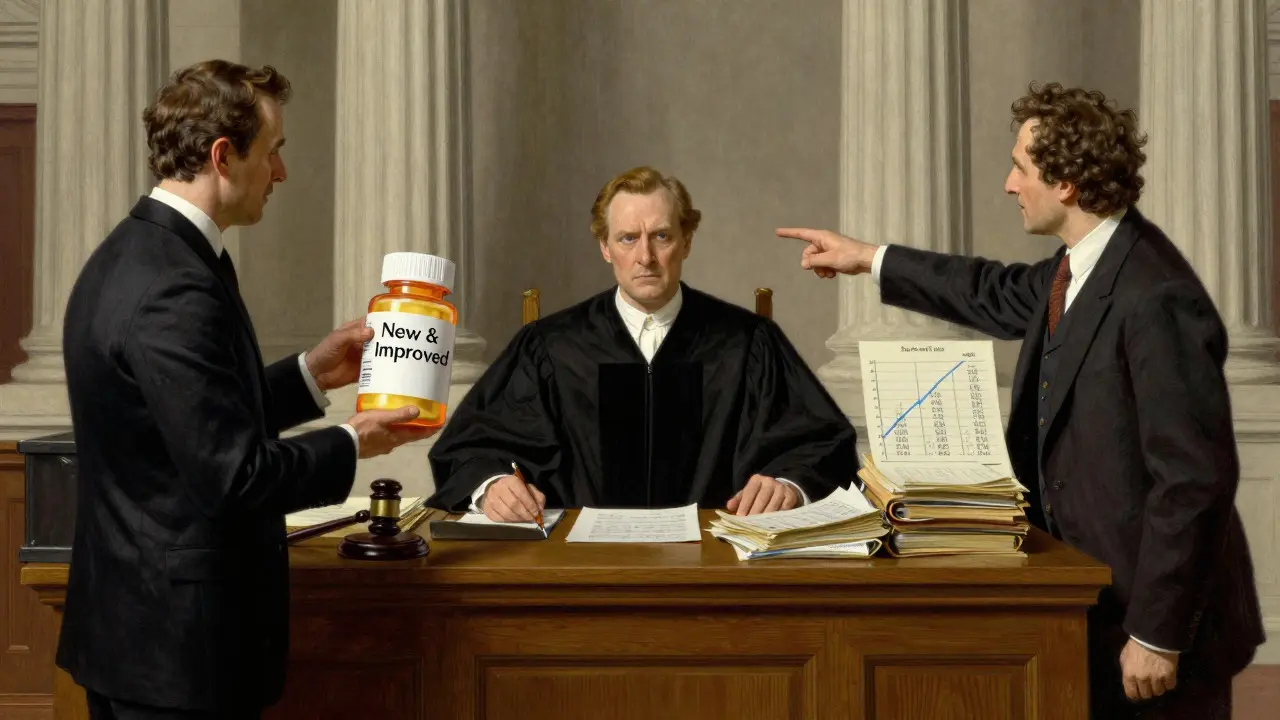
Critics, however, see it as an abuse of the patent system. They argue that many evergreening modifications offer minimal therapeutic benefit. If a change does not significantly improve patient outcomes, why should it warrant years of exclusive pricing? Professor Robin Feldman of UC Hastings College of the Law has documented various patent tactics, noting that 78% of new patents associated with prescription drugs are for existing drugs rather than novel inventions. This suggests that evergreening dominates patent strategy, often at the expense of true innovation.
Regulatory bodies are increasingly scrutinizing these practices. The U.S. Federal Trade Commission (FTC) has filed antitrust lawsuits against major pharmaceutical companies, challenging patent strategies that appear anticompetitive. The goal is to ensure that patents protect genuine innovation rather than serve as tools to stifle competition.
| Feature | True Innovation | Evergreening |
|---|---|---|
| Cost | $2.6 billion average | Fraction of new drug cost |
| Timeframe | 10-15 years | Months to a few years |
| Therapeutic Value | High (new mechanism) | Low to moderate (minor modification) |
| Patent Scope | Single strong patent | Multiple overlapping patents |
| Impact on Generics | Delays entry naturally | Artificially blocks entry |
Regulatory Responses and Future Trends
The landscape of pharmaceutical regulation is shifting. The Inflation Reduction Act of 2022 introduced Medicare drug price negotiations, which could reduce the incentives for evergreening by capping prices for certain high-cost drugs. If companies cannot charge monopoly prices indefinitely, the value of extending patents diminishes.
Internationally, organizations like the World Health Organization (WHO) have criticized evergreening for blocking affordable access to medicines. In Europe, the European Medicines Agency (EMA) has implemented stricter requirements for demonstrating "significant clinical benefit" for modified drugs seeking additional exclusivity. This means that minor tweaks are less likely to qualify for extended protection unless they genuinely help patients.
Looking ahead, we may see increased use of biologics and complex delivery systems that are inherently harder to genericize. Biologics are large, complex molecules produced in living cells, making them more difficult to replicate than traditional small-molecule drugs. As the industry shifts toward biologics, evergreening strategies may evolve to focus on these newer technologies, such as nanotechnology or pharmacogenomics-based tests.
FAQ
What is the main goal of evergreening?
The primary goal of evergreening is to extend the period of market exclusivity for a pharmaceutical product beyond its original patent expiration. This allows companies to maintain monopoly pricing and delay the entry of cheaper generic competitors, thereby maximizing revenue.
How does evergreening affect drug prices?
Evergreening keeps drug prices high by preventing generic competition. When generics enter the market, prices typically drop by 80-85%. By delaying this entry through secondary patents and regulatory exclusivities, brand-name manufacturers can continue charging premium prices for years longer than they otherwise would.
Is evergreening illegal?
Evergreening itself is not necessarily illegal, but specific tactics can be challenged under antitrust laws if they are deemed abusive or anticompetitive. Regulatory agencies like the FTC and courts scrutinize whether the extended protections are based on genuine innovation or merely trivial modifications designed to block competition.
What is a patent thicket?
A patent thicket is a dense cluster of overlapping patents surrounding a single product. It includes patents on the drug molecule, formulation, manufacturing process, packaging, and more. This complexity makes it difficult and costly for generic manufacturers to navigate and challenge the intellectual property rights, effectively deterring competition.
How does product hopping work?
Product hopping occurs when a pharmaceutical company introduces a new version of a drug (e.g., extended-release) just before the original patent expires. They then encourage doctors to switch patients to the new version. Since the new version has its own patent protection, generic versions of the old drug become less relevant, allowing the company to maintain high prices for the new formulation.
Are there any benefits to evergreening?
Proponents argue that evergreening provides financial incentives for continued investment in drug improvement and safety. Some modifications may offer slight convenience benefits, such as easier dosing schedules. However, critics contend that the therapeutic gains are often minimal compared to the cost imposed on patients and healthcare systems.
What is the Hatch-Waxman Act?
The Hatch-Waxman Act of 1984 is a U.S. law that balanced the interests of brand-name pharmaceutical companies and generic manufacturers. It provided mechanisms for patent term extensions to compensate for time lost during regulatory review, while also creating an abbreviated pathway for generic approval. This framework inadvertently enabled evergreening strategies by allowing multiple patent filings for modified products.
How can patients protect themselves from high drug costs due to evergreening?
Patients can explore patient assistance programs offered by manufacturers, look for therapeutic alternatives that may be available as generics, and consult with pharmacists about cost-saving options. Additionally, staying informed about legislative changes and advocating for policies that promote generic competition can help address systemic issues.