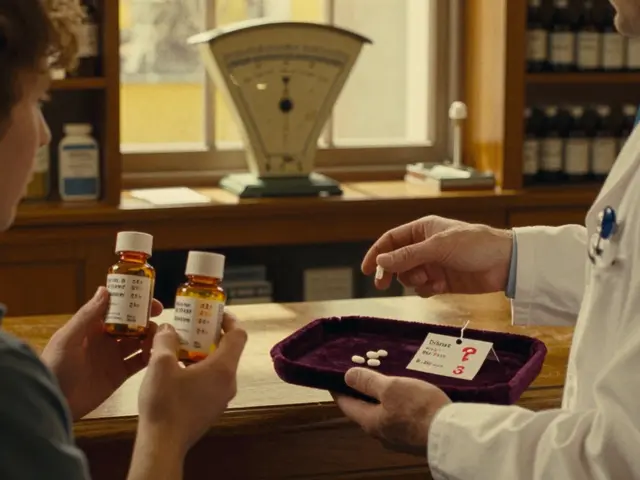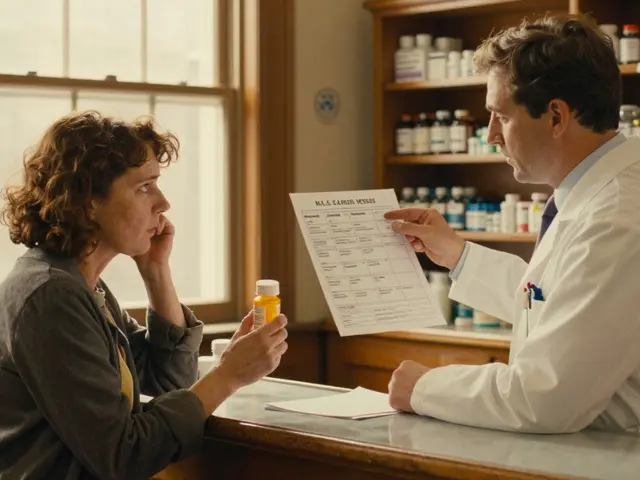
Picture this: You walk into a pharmacy to pick up your prescription. The pharmacist hands you a bottle with a different color cap and a pill that looks slightly different from the brand-name version you used last year. But inside? It’s the exact same medicine. This is the magic-and the mystery-of generic drugs. They cost significantly less, often 80% to 85% cheaper than their branded counterparts, yet they work just as well. But how do manufacturers pull this off without reinventing the wheel?
The answer lies in a rigorous, highly regulated manufacturing process that prioritizes precision over innovation. Unlike brand-name drugs, which require billions of dollars and over a decade of clinical trials to prove safety, generic drugs take a shortcut called the Abbreviated New Drug Application (ANDA) pathway. This system allows manufacturers to skip the expensive human trials by proving their product is 'bioequivalent' to the original. Let’s break down exactly how these life-saving medications are made, tested, and approved.
Understanding the Starting Point: Reverse Engineering the Brand
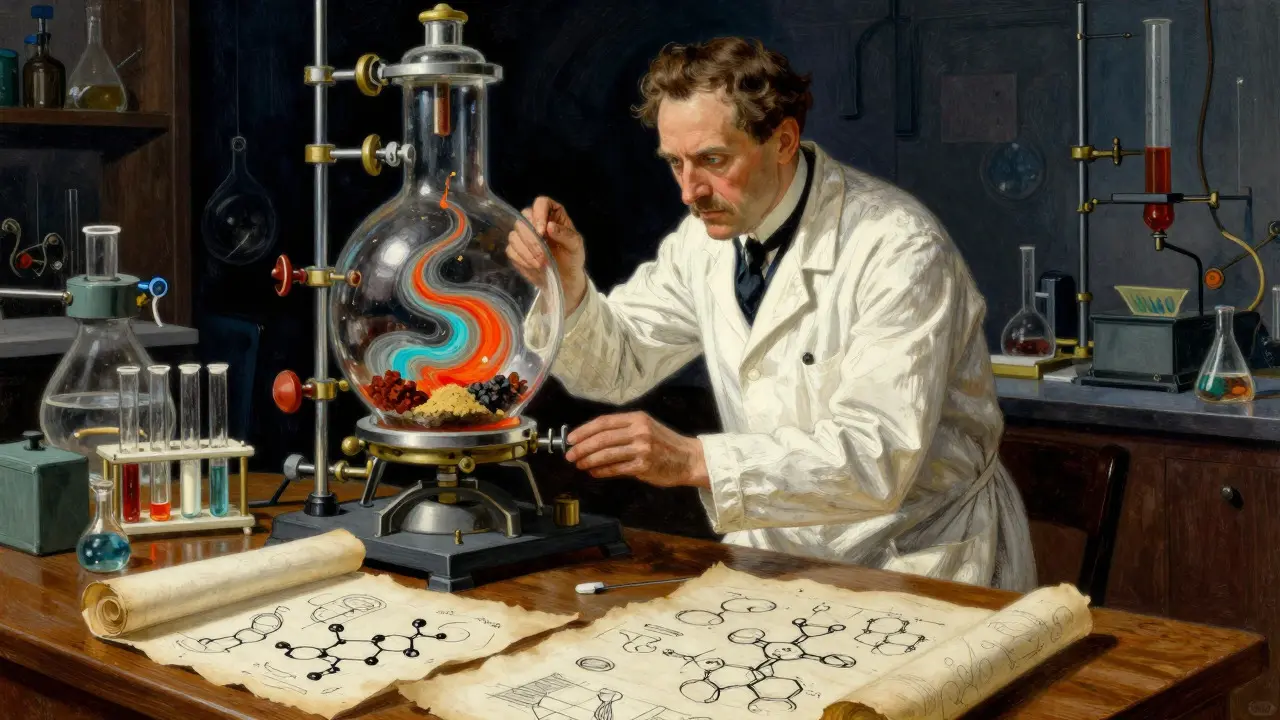
Before a single pill is pressed, generic drug makers have to figure out what they’re copying. This isn’t guesswork; it’s science. The process begins with characterizing the Reference Listed Drug (RLD), which is the original brand-name medication approved by regulators like the FDA or EMA.
Manufacturers perform detailed chemical analysis to identify the Active Pharmaceutical Ingredient (API). This is the part of the drug that actually treats your condition. For example, if the brand-name drug contains ibuprofen, the generic must contain the exact same amount of ibuprofen. However, the API is only half the story. Pills also contain excipients-inactive ingredients like binders, fillers, and coatings that help the pill hold its shape or dissolve at the right speed.
Here’s where it gets tricky. While the active ingredient must be identical, the inactive ingredients can differ. This is why generic pills might look different or taste slightly distinct. Manufacturers use reverse engineering to determine the molecular structure and therapeutic effects of the original, ensuring their formulation will deliver the drug into the bloodstream in the same way. This initial phase is critical because getting the composition wrong here means failing later stages entirely.
The Science of Bioequivalence: Proving It Works
You might wonder, "If they didn’t test it on thousands of patients, how do we know it works?" The answer is Bioequivalence Testing. This is the cornerstone of generic drug approval. Instead of proving the drug cures a disease (which the brand already did), generics must prove they enter the body at the same rate and extent as the brand-name drug.
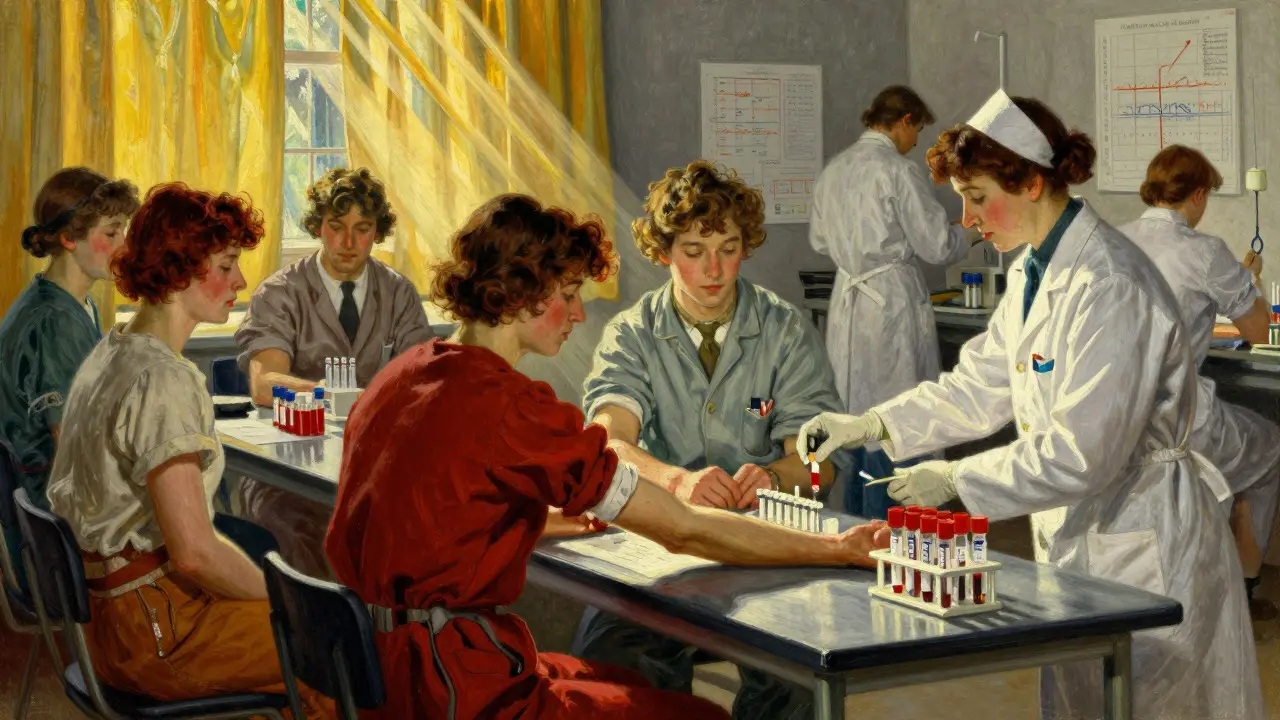
To do this, manufacturers conduct pharmacokinetic studies on small groups of healthy volunteers, typically between 24 and 36 people. Participants take both the brand-name drug and the generic version, usually separated by a washout period. Blood samples are taken to measure two key metrics:
- Cmax (Maximum Concentration): How high the drug levels peak in the blood.
- AUC (Area Under the Curve): The total amount of drug absorbed over time.
For a generic to pass, these values must fall within a strict confidence interval of 80% to 125% compared to the brand-name drug. If the generic absorbs too fast, it could cause side effects. Too slow, and it won’t work effectively. This statistical rigor ensures that when you take a generic, your body experiences virtually the same therapeutic effect as the original.
Step-by-Step: The Physical Manufacturing Process
Once the formula is set and bioequivalence is proven, the actual production begins. This happens in facilities that adhere to Current Good Manufacturing Practices (CGMPs). These aren’t just guidelines; they are legal requirements enforced by agencies like the FDA. A typical facility maintains temperatures between 20-25°C and humidity levels between 45-65% relative humidity to prevent contamination.
The manufacturing sequence follows seven precise stages:
- Formulation: Designing the final mix of API and excipients based on the Quality by Design (QbD) framework. This identifies Critical Quality Attributes (CQAs) that impact safety.
- Mixing and Granulation: Raw materials are combined into a consistent powder mixture. Uniformity is key here to ensure every pill has the same strength.
- Drying: Moisture is removed to ensure stability. Wet granules can degrade or grow mold, so this step preserves shelf life.
- Compression and Encapsulation: For tablets, dry granules are pressed into solid forms using high-pressure machines. For capsules, the powder is filled into gelatin shells.
- Coating: A protective layer is applied. This can improve taste, hide the color of the API, or control how quickly the drug dissolves in the stomach.
- Quality Control: Rigorous testing occurs at multiple stages. Every batch is checked for identity, strength, purity, and dissolution rates.
- Packaging and Labeling: The final product is sealed in bottles or blister packs with accurate labeling, including lot numbers for traceability.
During compression, tablet weight variation is strictly controlled. For tablets weighing less than 130mg, the weight cannot vary by more than ±5%. For heavier tablets (130-324mg), the limit is ±7.5%. These tiny tolerances ensure that no patient receives a dose that is dangerously high or low.
| Feature | Brand-Name Drug | Generic Drug |
|---|---|---|
| Development Time | 10-15 years | 3-4 years |
| Cost to Develop | $2.6 billion+ | $5-10 million |
| Clinical Trials | Extensive (Phases I-III) | Bioequivalence Studies Only |
| Regulatory Pathway | New Drug Application (NDA) | Abbreviated New Drug Application (ANDA) |
| Price | High (Patent protected) | Low (80-85% less) |
Navigating the Regulatory Maze: The ANDA Process
Getting a generic drug to market requires navigating the Abbreviated New Drug Application (ANDA) pathway. Established by the Hatch-Waxman Act of 1984, this system allows generics to leverage the safety and efficacy data already established by the brand-name drug. This saves years of research and billions of dollars.
The ANDA submission is massive, often containing 5,000 to 10,000 pages of technical data. This includes hundreds of analytical methods, batch records, and bioequivalence study reports. The FDA reviews these applications thoroughly, spending approximately 17 months on average, though complex generics may take up to 36 months. Under the recent GDUFA IV agreement, the goal is to review 90% of original ANDAs within 10 months, speeding up access to affordable medicines.
One critical aspect of the ANDA is patent certification. Manufacturers must declare whether the brand-name drug’s patents have expired. There are four options:
- Paragraph I: No patent information filed.
- Paragraph II: Patent has expired.
- Paragraph III: Patent will expire soon.
- Paragraph IV: The patent is invalid or not infringed upon.
Filing a Paragraph IV certification is risky but lucrative. It often triggers patent litigation from the brand-name company, which can delay the generic’s launch by an average of 30 months. However, the first generic to win this battle often gets 180 days of market exclusivity, allowing them to charge higher prices before other competitors flood the market.
Quality Control: Ensuring Safety and Consistency
Manufacturing a generic drug isn’t just about making a copy; it’s about making a perfect copy. Quality control is embedded in every step of the process. Facilities must comply with ISO Class 5-8 cleanroom standards depending on the stage of production. Air filtration systems remove particulate matter to prevent contamination.
Every batch undergoes dissolution testing. This measures how quickly the drug releases its active ingredient in a simulated stomach environment. If the dissolution profile doesn’t match the reference listed drug, the entire batch is rejected. According to FDA inspection data, inadequate investigation of out-of-specification results is cited in 37% of warning letters, highlighting how seriously regulators take consistency.
Stability testing is another crucial component. Before approval, manufacturers must provide at least 12 months of real-time data showing the drug remains potent and safe under various temperature and humidity conditions. This ensures that the medicine on your shelf today will still work when you need it six months from now.

Challenges in Modern Generic Manufacturing
While simple generics like aspirin or metformin are straightforward to produce, complex generics pose significant challenges. Products like inhalers, topical creams, and modified-release formulations require advanced technology to replicate. For instance, matching the skin permeation profile of a topical corticosteroid can take years and millions of dollars in development costs.
Excipient variability is another common headache. As one pharmaceutical engineer noted, a slight change in lactose particle size from a supplier can throw off tablet hardness and dissolution profiles. This requires robust supply chain management and constant monitoring of raw materials.
Despite these challenges, the industry continues to innovate. Continuous manufacturing technologies are reducing production time from weeks to hours, improving quality consistency. AI-driven quality control systems are being piloted to reduce visual inspection errors. These advancements promise even safer and more efficient generic drug production in the future.
Why Generics Matter for Public Health
The impact of generic drugs on public health cannot be overstated. Approximately 90% of all prescriptions in the United States are filled with generic drugs. Over the past decade, this has resulted in over $1.7 trillion in healthcare savings. Without generics, many essential medications would be unaffordable for millions of people.
Dr. Janet Woodcock, former FDA Center for Drug Evaluation and Research Director, described the ANDA pathway as "one of the most successful public health initiatives in modern history." By lowering costs while maintaining rigorous quality standards, generics democratize access to healthcare. They allow patients to manage chronic conditions like diabetes, hypertension, and high cholesterol without financial ruin.
However, concerns remain about quality variations among different manufacturers. While the FDA requires batch-to-batch consistency, some experts note that slight differences in dissolution profiles can affect patients taking narrow therapeutic index drugs. This underscores the importance of choosing reputable manufacturers and sticking with one source whenever possible.
Are generic drugs really as effective as brand-name drugs?
Yes, generic drugs are required to demonstrate bioequivalence to brand-name drugs. This means they must deliver the same amount of active ingredient into your bloodstream within the same timeframe. Regulatory agencies like the FDA enforce strict standards to ensure that generics provide the same therapeutic benefits and safety profile as their branded counterparts.
Why do generic pills look different from brand-name pills?
Generic pills can differ in color, shape, and size because trademark laws prohibit them from looking identical to brand-name products. Additionally, generic manufacturers may use different inactive ingredients (excipients) such as binders or dyes, which affect the appearance. However, the active pharmaceutical ingredient (API) must be identical in strength and dosage.
What is the ANDA process?
The Abbreviated New Drug Application (ANDA) is the regulatory pathway used to approve generic drugs. It is 'abbreviated' because it relies on the safety and efficacy data already established by the brand-name drug. Manufacturers must prove bioequivalence and meet current good manufacturing practices (CGMPs) to gain approval.
How much does it cost to develop a generic drug?
Developing a generic drug typically costs between $5 million and $10 million per product, compared to over $2.6 billion for a new brand-name drug. This lower cost is due to the elimination of extensive clinical trials, as generics only need to demonstrate bioequivalence rather than conduct full-scale safety and efficacy studies.
Can generic drugs have different side effects?
Generally, no. Since generic drugs contain the same active ingredient as brand-name drugs, they should have similar side effects. However, rare instances of sensitivity to different inactive ingredients (excipients) can occur. If you experience unusual reactions after switching to a generic, consult your healthcare provider.