
Psoriasis isn’t just a rash. It’s your immune system attacking your own skin, turning healthy cells into thick, scaly patches in weeks instead of months. If you’ve lived with it, you know flares don’t come out of nowhere. They show up after a bad night’s sleep, a sore throat, or even a scratch you didn’t think mattered. Understanding what sets them off isn’t about blame-it’s about taking back control.
Stress Doesn’t Just Make Psoriasis Worse-It Starts It
Stress is the number one trigger reported by people with psoriasis. Not just big life events like divorce or job loss, but the quiet, daily kind: rushing to get kids to school, staring at a screen for 12 hours, or worrying about the next flare. When stress hits, your body pumps out cortisol and other inflammatory chemicals. That’s normal-until your immune system, already primed by genetics, misreads it as a threat.
Research shows stress doesn’t just worsen psoriasis-it can trigger it in people who carry the genes. One 2018 review found that nearly half of patients first noticed symptoms within a year of a major emotional event. A Reddit user shared how their mother’s death led to psoriasis covering 30% of their body in three months. That’s not coincidence. Stress directly activates immune cells called T-cells and dendritic cells, which then release IL-23 and IL-17-two key drivers of psoriasis inflammation.
Here’s the cruel twist: the more you stress about your psoriasis, the worse it gets. It becomes a loop. Flare → anxiety → more inflammation → worse flare. Breaking it isn’t about being positive. It’s about building habits that reset your nervous system. Studies show 20 minutes of daily mindfulness meditation reduces cortisol by 25% in eight weeks. Regular walking, yoga, or therapy aren’t luxuries-they’re part of your treatment plan. One dermatology practice tracked patients who practiced mindfulness for six months: 67% saw at least a 30% drop in flare frequency.
Infections Are Silent Spark Plugs
Ever notice your psoriasis flares right after a cold or strep throat? That’s not random. Your immune system gets thrown off balance fighting the infection-and in people with psoriasis genes, it misfires. Streptococcus bacteria, the kind that causes strep throat and tonsillitis, are especially dangerous. They trigger guttate psoriasis, a sudden outbreak of small, teardrop-shaped spots, mostly in kids and young adults.
Viruses like the flu, colds, and even COVID-19 can do the same. When a virus enters your body, it activates a sensor called RIG-I. That sensor, in genetically prone people, flips a switch that turns on IL-23 production. That’s the exact same pathway targeted by the newest biologic drugs. So when you get sick, your body isn’t just fighting the virus-it’s accidentally lighting a fire in your skin.
Even HIV, which wipes out immune cells, can trigger psoriasis. Why? Because it doesn’t just lower T-cells-it scrambles their behavior, leaving behind the wrong kind of inflammation. Prevention isn’t complicated: wash your hands often, get your flu shot, and don’t ignore a lingering sore throat. One study found flu vaccination reduced infection-triggered flares by 35% in psoriasis patients. If you’ve had a flare after a cold before, assume it’ll happen again-and act early.
Your Skin Barrier Isn’t Just a Shield-It’s the First Line of Defense
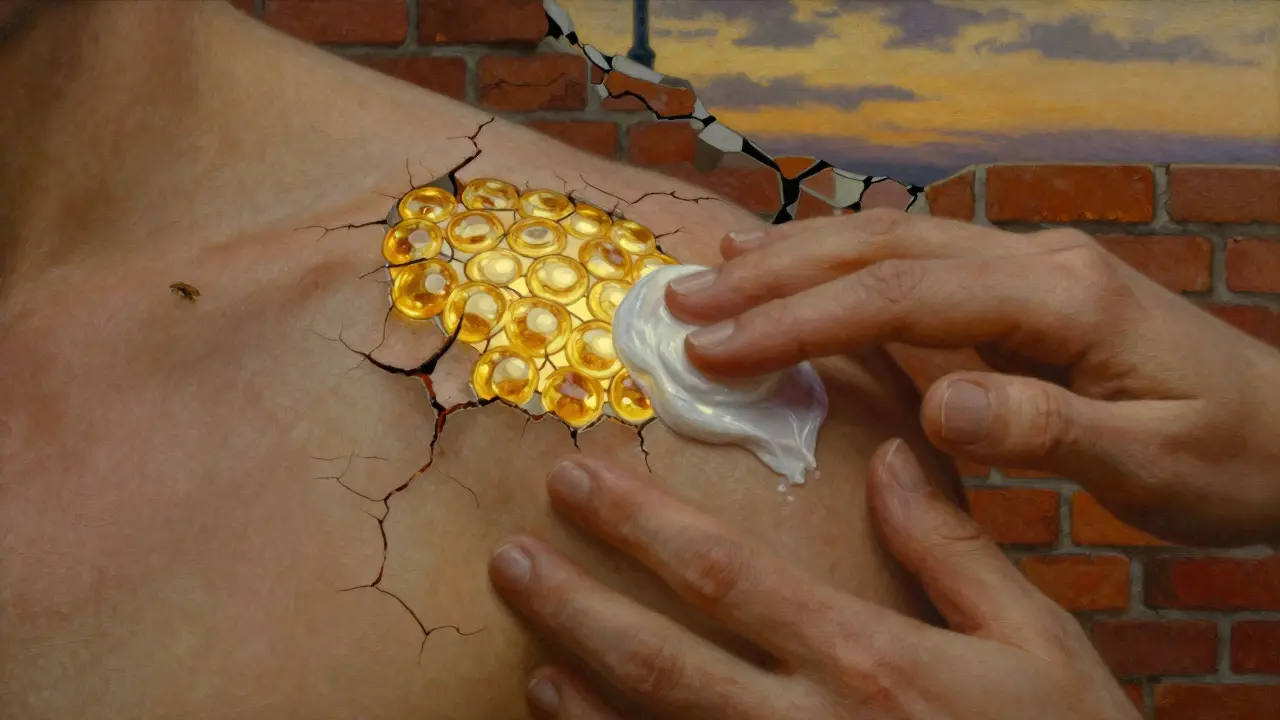
Think of your skin like a brick wall. The bricks are skin cells. The mortar is lipids-fats that hold everything together. In psoriasis, this wall is cracked. That’s not just a symptom-it’s a cause. When the barrier breaks, moisture escapes, irritants get in, and bacteria start to grow where they shouldn’t. That triggers more inflammation, which makes the barrier worse. It’s a cycle: barrier damage → microbiome chaos → flare → more damage.
Mouse studies proved this. When researchers broke the skin barrier in genetically prone mice, psoriasis-like lesions formed. But when they applied topical antibiotics to kill the extra bacteria, the inflammation dropped-and so did IL-17 and IL-22. That means bacteria aren’t just hitchhikers-they’re active players.
What breaks the barrier? Harsh soaps. Hot showers. Scratching. Even dry winter air. The American Academy of Dermatology says the best fix is simple: moisturize. Use fragrance-free creams with ceramides, cholesterol, and fatty acids-ingredients that rebuild your skin’s mortar. Apply twice a day, right after showering, while skin is still damp. Keep indoor humidity between 40% and 60%. Avoid soaps with a pH above 5.5-they strip your skin’s natural acid mantle.
And don’t underestimate tiny injuries. A bug bite, a sunburn, even a scratch from your own nails can trigger psoriasis at that exact spot. This is called the Koebner effect. One dermatology clinic found that 45% of new plaques started at sites of unnoticed injuries. Use insect repellent. Keep nails short. Cool compresses beat scratching every time.
What Else Triggers Flares? (And What Doesn’t)
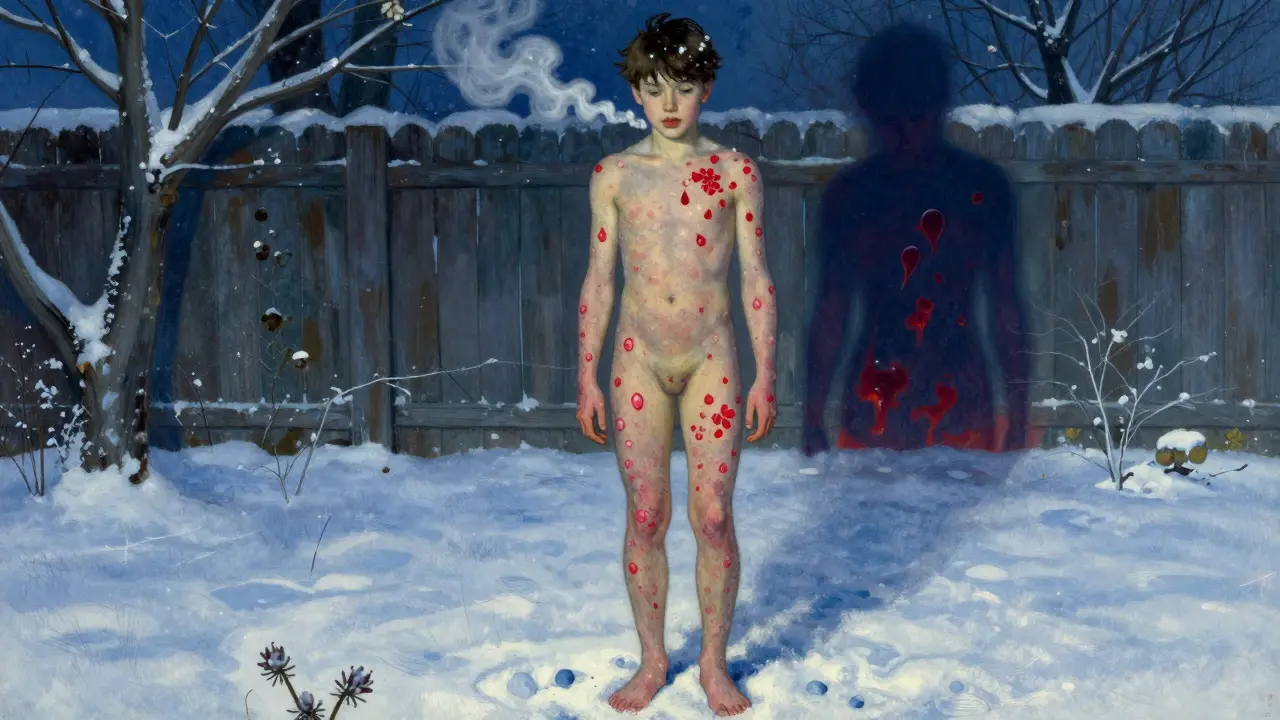
People swear by eliminating gluten, dairy, or nightshades. A 2022 survey of 1,247 psoriasis patients found 32% linked dairy to flares, 25% to gluten, and 18% to foods like tomatoes or peppers. But here’s the catch: these aren’t universal triggers. Only a subset of people react. If you suspect food is a problem, try an elimination diet-not for a week, but for six weeks. Track everything. Then reintroduce one food at a time. Don’t cut out whole food groups without proof.
Alcohol? Yes. Heavy drinking worsens psoriasis and makes treatments less effective. Smoking? Even worse. It’s tied to more severe disease and higher risk of psoriatic arthritis. Weight? Carrying extra pounds increases inflammation and reduces treatment response. Losing just 5% of body weight can cut flare frequency by nearly half.
Weather matters too. Cold, dry air dries out skin and triggers flares in 68% of patients. Sunlight helps 72%-but 8% have photosensitive psoriasis where UV makes it worse. Know your skin. Don’t avoid the sun entirely, but don’t bake in it either. Use sunscreen with zinc oxide or titanium dioxide-they’re less irritating.
How to Build Your Personal Trigger Map
There’s no one-size-fits-all list. Your triggers are yours alone. Start tracking. Use a simple notebook or a free app. For each flare, write down:
- What you were stressed about (work, sleep, emotions)
- Any illness or infection in the past 2 weeks
- Changes in skincare, laundry detergent, or shower habits
- Any skin injury-even a tiny one
- What you ate
- Weather and humidity levels
After three months, look for patterns. Did flares cluster after work deadlines? After colds? After switching to a new body wash? That’s your map. Now you can act before the flare hits.
Researchers are already moving toward personalized tools. Wearable stress monitors and AI apps that analyze your skin photos and symptom logs will soon predict flares before they start. In the next five years, this could cut flare frequency by 40-60%. But you don’t need AI to start now. You just need to pay attention.
What’s Next? The Science Is Moving Fast
Doctors are no longer just treating the rash. They’re targeting the triggers. New biologic drugs block IL-23-the same pathway activated by stress and infection. In phase 3 trials, 89% of patients saw 90% improvement in their skin in just 16 weeks. That’s not a cure, but it’s life-changing.
Meanwhile, the gut-skin connection is exploding. Early studies show probiotics can reduce flare frequency by 22% in people with gut microbiome imbalance. Researchers are also looking at how saturated fats in diet trigger inflammation through immune cells called myeloid dendritic cells. This isn’t just about avoiding fatty foods-it’s about understanding how your body turns food into inflammation.
What you do today matters. Managing stress, protecting your skin barrier, and preventing infections aren’t side notes in your psoriasis care. They’re the foundation. The better you protect your skin and calm your immune system, the less you’ll need strong medications. And the fewer flares you get, the more your life belongs to you-not your psoriasis.
Can stress cause psoriasis if I don’t have a family history?
Stress alone won’t cause psoriasis without genetic risk. But if you carry even a few of the genes linked to psoriasis-like variations in the LCE gene family-stress can be the trigger that turns them on. About 2-3% of people have these genes, and stress is often the spark that makes psoriasis appear for the first time.
Is psoriasis contagious through skin contact?
No. Psoriasis is not caused by bacteria, viruses, or fungi. It’s an autoimmune condition where your immune system attacks your skin. You can’t catch it from touching someone’s rash, sharing towels, or swimming in the same pool. There’s zero risk of transmission.
Why does my psoriasis get worse in winter?
Cold, dry air strips moisture from your skin and weakens the skin barrier. Indoor heating makes it worse. This allows irritants and bacteria to enter more easily, triggering inflammation. Sixty-eight percent of psoriasis patients report worse flares in winter. Using a humidifier and thick, ceramide-based moisturizers daily can help significantly.
Can I use regular lotion for psoriasis?
Most regular lotions are too light and contain fragrances or alcohol that irritate psoriasis-prone skin. You need thicker creams or ointments with ceramides, cholesterol, and fatty acids-ingredients that rebuild your skin’s natural barrier. Look for products labeled "fragrance-free," "for eczema or psoriasis," or "dermatologist-tested."
Does losing weight help psoriasis?
Yes. Fat tissue produces inflammatory chemicals that worsen psoriasis. Losing just 5% of your body weight can cut flare frequency by nearly half and make medications work better. It’s one of the most effective, science-backed ways to reduce symptoms without drugs.
Should I avoid all sun exposure if I have psoriasis?
No. Sunlight helps 72% of people with psoriasis by slowing skin cell growth. But 8% have photosensitive psoriasis where UV light makes it worse. Test it carefully: expose affected areas to 5-10 minutes of morning sun, 2-3 times a week. Never burn. Always use a mineral sunscreen (zinc or titanium) on unaffected skin.
Are there any supplements that help with psoriasis triggers?
Some evidence supports vitamin D, omega-3s, and probiotics. Vitamin D helps regulate skin cell growth. Omega-3s reduce inflammation. Probiotics may balance gut bacteria linked to flare-ups. But supplements aren’t magic pills-they work best alongside proven treatments. Always talk to your doctor before starting anything new.
What to Do Today
Don’t wait for the next flare. Start today:
- Apply a ceramide moisturizer right after your next shower.
- Write down one recent stressor and how your skin reacted.
- Check your soap-does it say "fragrance-free"? If not, switch.
- Wash your hands often, especially before touching your skin.
- Set a daily 10-minute reminder to breathe deeply-no phone, no distractions.
Psoriasis flares are signals-not punishments. Every time you care for your skin, calm your stress, or prevent an infection, you’re not just treating a rash. You’re quieting your immune system. And that’s how you take back your life.


Juan Reibelo
Stress didn't just trigger my psoriasis-it rewired my entire life. I used to think I was just 'overreacting' until my dermatologist showed me the cortisol-IL-23 link. Now I meditate daily, even if it's just five minutes before bed. No more scrolling at 2 a.m. I actually sleep. And yes, my skin has improved. Not cured-but quieted. That's enough.
Also, ditch the body wash. Switched to CeraVe. Game changer.
Sushrita Chakraborty
It is truly remarkable how deeply interconnected the immune system, psychological stress, and the skin barrier truly are. The scientific evidence presented here is not only compelling but also profoundly empathetic. One must remember that psoriasis is not a mere cosmetic concern-it is a systemic condition, often misunderstood by those who have not experienced it. I commend the author for emphasizing evidence-based interventions, such as mindfulness and ceramide-rich moisturizers, which are both accessible and effective. Thank you for this well-researched, compassionate piece.
Sawyer Vitela
89% improvement on biologics? That’s placebo territory. Where’s the long-term data? Also, ‘mindfulness reduces cortisol by 25%’-source? Link. Otherwise it’s anecdotal fluff.
Tiffany Wagner
i just started using the ceramide cream after reading this and my skin feels so much better already
also i never realized how much my stress spikes after work calls
thanks for the reminder to breathe
Amelia Williams
THIS. I’ve been tracking my flares for 6 months now and I swear by it. Every time I get a cold, my elbows flare. Every time I skip moisturizer for two days? Back to square one. I used to think it was fate-but now I see patterns. I even started using a humidifier and it’s like my skin finally got a hug. You’re not broken. You’re just responding to your environment. And you can change that environment. Start small. One moisturizer. One deep breath. One less hour of doomscrolling. You’ve got this.
Also-yes, alcohol makes it worse. I quit. No regrets.
Dolores Rider
they're lying. this is all a big pharma scam. the real cause is 5g radiation + fluoride in the water. i had a flare after my phone died and i didn't get a new one for 3 days. coincidence? i think not. also, the government doesn't want you to know that sunlight is the REAL cure. they sell you creams so you keep coming back. i stopped using everything and just sat in the sun for 2 hours a day. my skin cleared in 2 weeks. they hate this. 😡☀️
Vatsal Patel
Oh wow, another 'take back control' narrative. How quaint. You're not 'quieting your immune system'-you're just trying to survive a body that betrayed you. And let's be real: if you're rich enough to afford biologics and mindfulness retreats, sure, you'll 'win.' But what about the guy working two jobs with no insurance? Your 'personal trigger map' is a luxury. The real trigger? Capitalism. The real cure? A universal healthcare system that doesn't treat skin like a fashion accessory.
Also, your 'ceramide moisturizer' costs $40. I used petroleum jelly. Same result. You're selling hope. I'm selling pragmatism.
Sharon Biggins
i just wanted to say thank you for writing this. i’ve been scared to talk about my psoriasis because people think it’s contagious or that i’m not clean. but this? this feels like someone finally gets it. i’ve been using the moisturizer after showers and i’ve noticed i scratch less. it’s tiny. but it’s something. you’re right-we don’t need to fix everything at once. just one step. thank you for reminding me that i’m not alone.
p.s. i misspelled 'ceramide' in my cart twice. but i got it right the third time. 😅
John McGuirk
they say stress causes it but what if stress is just the symptom? what if psoriasis is the body screaming because we're all poisoned? glyphosate. mold. microplastics. they don't want you to know the real trigger is the food system. i stopped eating anything with more than 3 ingredients. my flares dropped. the docs won't tell you this because they get paid by the big pharma lobby. i'm not anti-science. i'm anti-corruption. 🤫
lorraine england
My mom had psoriasis and she swore by oatmeal baths. I didn’t believe her until I tried it. Now I do it every night. Also-yes, the soap thing is real. I switched to a fragrance-free one and my arms stopped burning. It’s not glamorous, but it works. You don’t need a miracle. Just consistency. And a little kindness toward yourself. You’re doing better than you think.
Also, I cried reading this. So thank you.