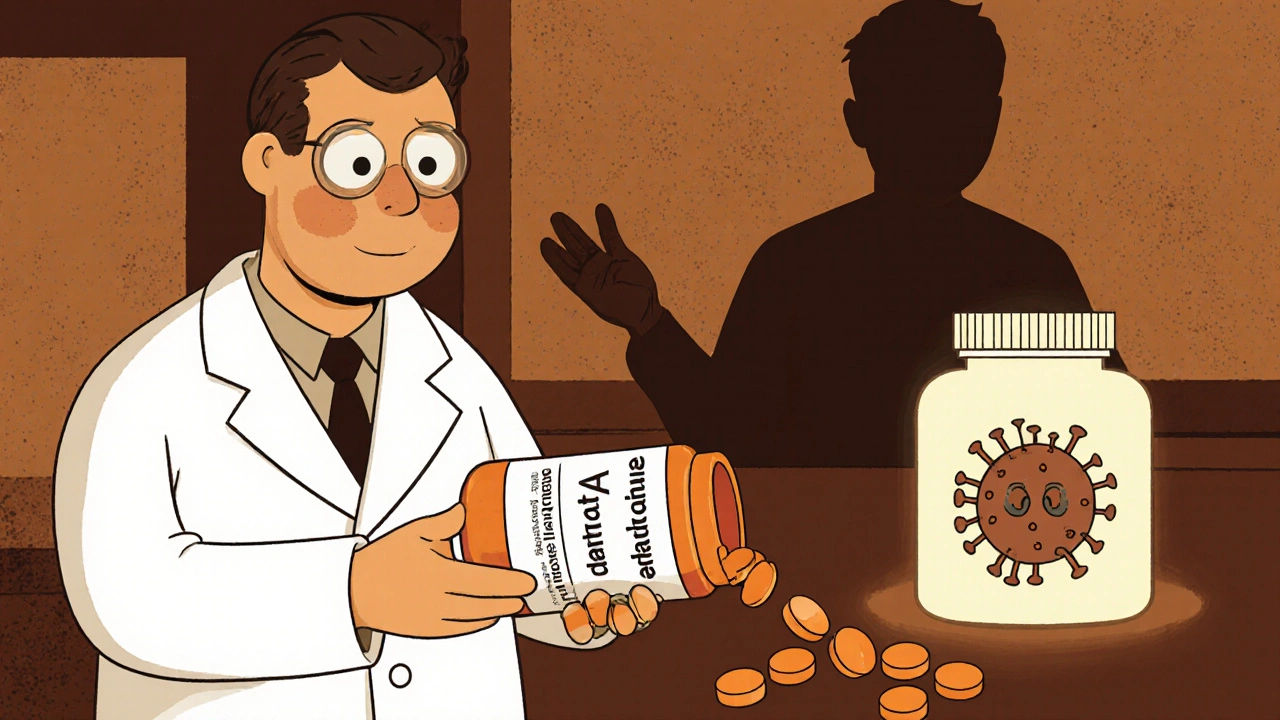
When you hear the name Amantadine is an antiviral and antiparkinsonian medication that’s been around since the 1960s, you might wonder why it still matters today. This guide pulls together the latest data (2025) on what the drug does, how it’s prescribed, and what you need to watch out for.
Quick Takeaways
- Amantadine is approved for Parkinson’s disease and for preventing influenza A.
- Typical adult dose for Parkinson’s is 100 mg twice daily; for flu prophylaxis it’s 200 mg once daily for 10 days.
- Common side effects include dizziness, insomnia, and dry mouth.
- Serious risks involve lived‑body‑movement disorders, hallucinations, and kidney problems.
- Check for drug interactions with Levodopa, anticholinergics, and certain antidepressants.
What Is Amantadine?
Amantadine (brand names include Symmetrel) belongs to a class called adamantane derivatives. It was first introduced as an antiviral against the Influenza A virus. Later, neurologists discovered it helped smooth out the tremor and rigidity seen in Parkinson's disease. The drug works through two main pathways:
- Blocking the M2 protein channel of the flu virus, which halts viral replication.
- Increasing synaptic Dopamine release and antagonising the NMDA receptor, both of which reduce motor symptoms.
How Amantadine Works - Mechanism of Action
For the antiviral effect, amantadine slips into the M2 channel, a tiny pore the virus uses to acidify its interior. By plugging the channel, the drug prevents the virus from uncoating and releasing its genetic material. This mechanism is specific to influenza A; it does not affect influenza B or most other viruses.
In the brain, amantadine’s exact actions are still being studied, but three effects are widely accepted:
- It mildly blocks the re‑uptake of dopamine, leaving more of the neurotransmitter available for movement control.
- It antagonises the NMDA‑type glutamate receptor, reducing excitotoxic stress that can worsen Parkinson’s symptoms.
- It has weak anticholinergic properties, which can help balance the brain’s neurotransmitter milieu.
Approved Medical Uses
Regulatory agencies (FDA, EMA) list two primary indications:
| Indication | Typical Dose | Key Benefits |
|---|---|---|
| Prevention of Influenza A | 200 mg once daily for 10 days | Reduces infection risk in high‑exposure groups |
| Adjunct therapy for Parkinson’s disease | 100 mg twice daily (adjust for renal function) | Improves gait, reduces dyskinesia, lessens “on‑off” fluctuations |
In both cases the drug is taken orally, with or without food. The dose may need tweaking for older adults or those with kidney impairment.
Off‑Label and Emerging Uses
Clinicians have experimented with amantadine for several conditions beyond the label:
- Traumatic brain injury (TBI): Some studies report faster cognitive recovery when given early.
- Multiple sclerosis fatigue: Small trials suggest a modest reduction in daytime tiredness.
- COVID‑19: Early 2024 research explored antiviral activity against SARS‑CoV‑2, but results were inconsistent and the FDA has not approved this use.
Because these uses lack robust evidence, they should only be considered under specialist supervision.

Dosage Guidelines and Adjustments
Below is a practical dosing chart for adults. Pediatric use is rare and generally limited to severe flu outbreaks.
| Indication | Standard Dose | Renal Adjustment |
|---|---|---|
| Influenza A prophylaxis | 200 mg once daily | Reduce to 100 mg if Renal clearance < 50 mL/min |
| Parkinson’s disease adjunct | 100 mg twice daily | Start 50 mg twice daily if Renal clearance 30-50 mL/min; avoid if < 30 mL/min |
Always split tablets if a lower dose is needed. For patients on Levodopa, dose timing can matter: taking amantadine in the evening often reduces nighttime insomnia.
Common Side Effects
Most users experience at least one mild reaction. The most frequently reported issues are:
- Dizziness or light‑headedness (especially when standing quickly)
- Insomnia or vivid dreams
- Dry mouth and slight constipation
- Loss of appetite
These usually subside after a week or two. If they persist, a dose reduction or split‑dose schedule can help.
Serious Adverse Effects to Watch For
Although rare, some reactions require immediate medical attention:
- Hallucinations or severe confusion - more common in older adults or when combined with anticholinergics.
- Extrapyramidal symptoms such as severe dystonia (muscle cramps) - paradoxically, high‑dose amantadine can worsen movement disorders.
- Kidney toxicity - watch urine output and serum creatinine in patients with pre‑existing renal disease.
- Cardiac arrhythmias - monitor ECG if the patient has a history of heart block.
If any of these appear, stop the medication and contact a healthcare provider promptly.
Drug Interactions
Amantadine is cleared mainly by the kidneys and does not heavily involve liver enzymes, which limits many interactions. Still, pay attention to:
- Levodopa - may increase the risk of dyskinesia; dose timing adjustments are advised.
- Anticholinergic drugs (e.g., benztropine) - can amplify confusion or hallucinations.
- Some antidepressants (especially SSRIs) - may heighten insomnia.
- Kidney‑affecting medications (e.g., NSAIDs, certain diuretics) - can raise amantadine levels, raising toxicity risk.
Always provide a full medication list to the prescriber.
Special Population Considerations
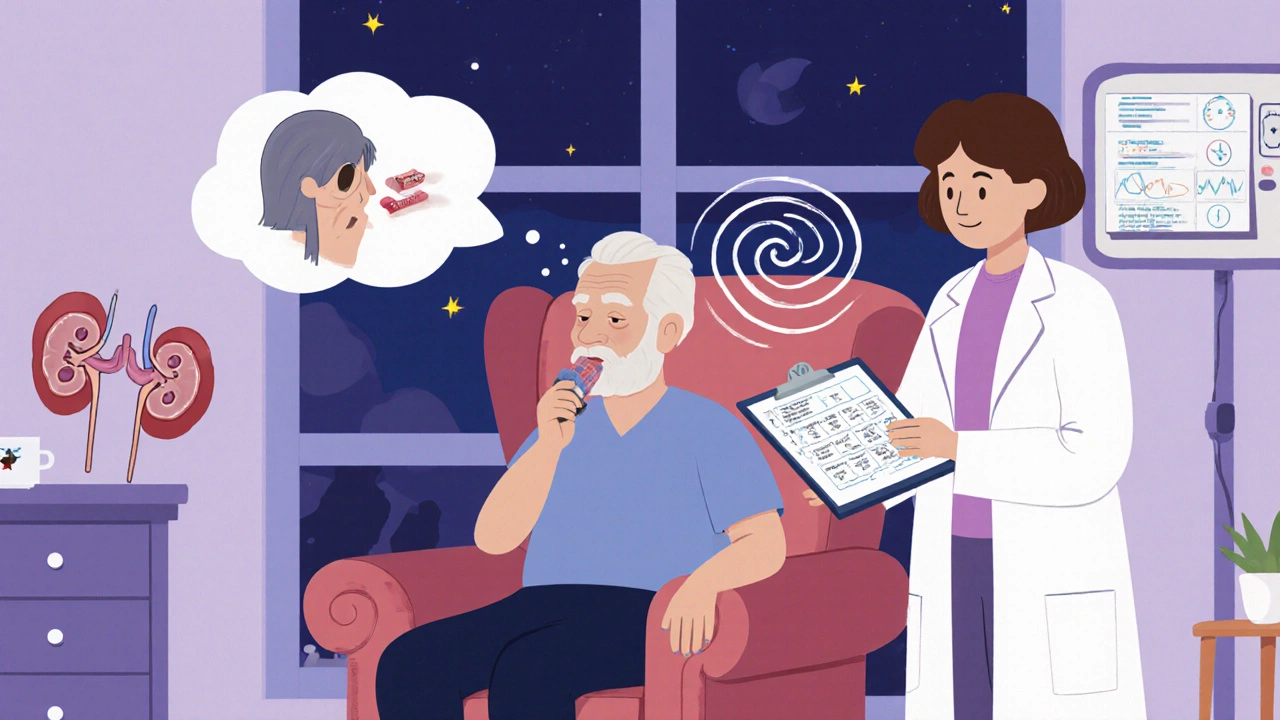
Older adults often need lower doses because kidney function declines with age. A baseline Renal clearance test helps guide the starting dose.
Pregnancy and breastfeeding: Animal data show no major teratogenic effect, but human data are limited. The drug is classified as Category C in the UK; weigh benefits against potential risks.
Patients with hepatic impairment: Since the liver plays a minor role, no major dose change is required, but monitor for encephalopathy if severe liver disease co‑exists.
Monitoring and Safety Tips
Regular follow‑up makes a big difference:
- Check renal function (eGFR) every 6 months for chronic users.
- Assess motor symptoms and any new psychiatric signs at each visit.
- Encourage patients to keep a sleep diary if insomnia becomes problematic.
- Educate on “stand‑up‑slowly” techniques to avoid dizziness‑related falls.
Most side effects are manageable with dose tweaks or supportive measures (e.g., sugar‑free gum for dry mouth).
Frequently Asked Questions
Can amantadine cure the flu?
No. It only reduces the chance of getting infected when taken as prophylaxis. If you already have influenza, the drug does not shorten the illness.
Is amantadine safe for long‑term use in Parkinson’s disease?
Many patients stay on it for years without major problems, as long as kidney function is monitored and side effects are addressed.
What should I do if I miss a dose?
Take the missed tablet as soon as you remember, unless it’s almost time for the next dose. In that case, skip the missed one - don’t double up.
Can I drink alcohol while on amantadine?
Alcohol can worsen dizziness and sleep disturbances, so it’s best to limit intake, especially when you first start the medication.
Is there a generic version?
Yes, the drug is available as a generic adamantane derivative, usually priced lower than the brand name Symmetrel.
Bottom Line
Amantadine remains a versatile tool for both antiviral prophylaxis and movement‑disorder management. Understanding the right dose, keeping an eye on kidney health, and recognizing side effects are the keys to getting the most benefit while staying safe.




Angela Koulouris
If you’re starting amantadine, keep an eye on kidney function and adjust the dose gradually; the drug can be a real ally for Parkinson’s when titrated carefully.
Harry Bhullar
First, it’s worth noting that amantadine’s antiviral action is limited to influenza A because the M2 channel it blocks simply isn’t present in influenza B or most other viruses.
That fact alone explains why the drug fell out of favor for flu treatment after resistance rates surged in the early 2000s.
When we talk about Parkinson’s, the picture changes: amantadine works by nudging dopamine release and by tempering NMDA‑mediated glutamate excitotoxicity, which can smooth out motor fluctuations.
Patients who are already on levodopa often report that adding a low dose of amantadine reduces the ‘on‑off’ periods that make daily life feel like a roller‑coaster.
However, the benefits come with a handful of side‑effects that you need to anticipate rather than discover by accident.
Dizziness is common, especially the first few days, so advise patients to stand up slowly and maybe use a cane until they feel steady.
Insomnia and vivid dreams can be a nuisance; taking the dose in the early evening rather than at bedtime usually mitigates the problem.
Dry mouth is another irritant, but a sugar‑free gum or a sip of water every hour can keep the discomfort at bay.
More serious concerns-hallucinations, confusion, or worsening dyskinesia-tend to appear in older adults or when the drug is combined with anticholinergics, so regular cognitive screening is essential.
Renal function is a king‑pin variable; because amantadine is cleared almost entirely by the kidneys, a reduction in eGFR below 50 mL/min warrants a dose cut‑back, and below 30 mL/min it should be avoided altogether.
If you suspect toxicity, look for a sudden surge in urinary output, a rise in serum creatinine, or an unexpected cardiac arrhythmia on the ECG.
In such cases, stop the medication immediately and switch to an alternative adjunct like rasagiline or a dopamine agonist, depending on the patient’s profile.
For off‑label uses like traumatic brain injury or MS‑related fatigue, the evidence is still thin, so those indications should be framed as experimental and only pursued under specialist supervision.
Finally, remember that drug‑drug interactions are relatively modest, but NSAIDs and certain diuretics can raise amantadine levels by reducing renal clearance, so a medication reconciliation is a must‑do before prescribing.
In summary, treat amantadine as a nuanced tool: start low, monitor kidneys, watch for neuropsychiatric changes, and adjust timing to tame sleep issues.
When used judiciously, it can extend the therapeutic window for Parkinson’s patients and offer a modest shield against influenza A in high‑risk groups.
Ashok Kumar
Looks like you’ve covered the basics, but let’s be crystal clear: amantadine won’t magically cure the flu, it just lowers the odds of getting infected, and it won’t turn Parkinson’s into a cure‑all either.
Jasmina Redzepovic
In fact, the pharmacodynamics of amantadine are governed by its adamantane core, which confers both ion‑channel blockade and NMDA antagonism, a duality that most clinicians overlook when they merely quote the dosing tables.
Esther Olabisi
Kidney check first, then dose – simple as that 😊. Miss it and you’ll be paying the price later.
Ivan Laney
While the recommendation to monitor renal function seems straightforward, the practical implementation often gets tangled in the labyrinth of lab scheduling, insurance approvals, and patient compliance, which together form a perfect storm for suboptimal dosing. Moreover, the interaction with anticholinergics isn’t just a footnote; it can amplify central anticholinergic burden, leading to a cascade of confusion, especially in the elderly population that already grapples with polypharmacy. Therefore, a proactive approach-setting up automatic eGFR alerts in the EMR, coordinating with pharmacy for dose adjustments, and educating patients about signs of toxicity-can transform a theoretical guideline into a lived safety net. Ignoring these nuances not only jeopardizes therapeutic efficacy but also opens the door to medicolegal repercussions that no practitioner wants to face.
Kimberly Lloyd
Each medication we choose is a tiny pact with our bodies, and with amantadine that pact asks us to balance the promise of smoother movement against the whisper of possible side effects, reminding us that health is a perpetual negotiation.
Sakib Shaikh
Imagine the brain as a storm‑tossed sea; amantadine steps in like a lighthouse, cutting through the glutamate waves and guiding dopamine ships safely to shore-if only we heed its flickering beam before the darkness returns!
John Price
Amantadine is cheap and works for both flu and Parkinson’s.
Nick M
Don’t be fooled by the “official” safety data; the pharma lobby has kept the renal toxicity numbers hidden for years, pushing us to use a drug that can silently damage kidneys while they profit from the brand name.
Erika Thonn
In the grand schemme of medecine, amantadine is a small but signifcant thread weaving together virs and neurodegeneration, reminding us that even a single molecule can echo across the tapestry of human experience.
Ericka Suarez
It is not just a pill, it is a war‑zone for the synapse, a battleground where every dose is a tactical decision that can either fortify the mind or unleash a cascade of chaos.