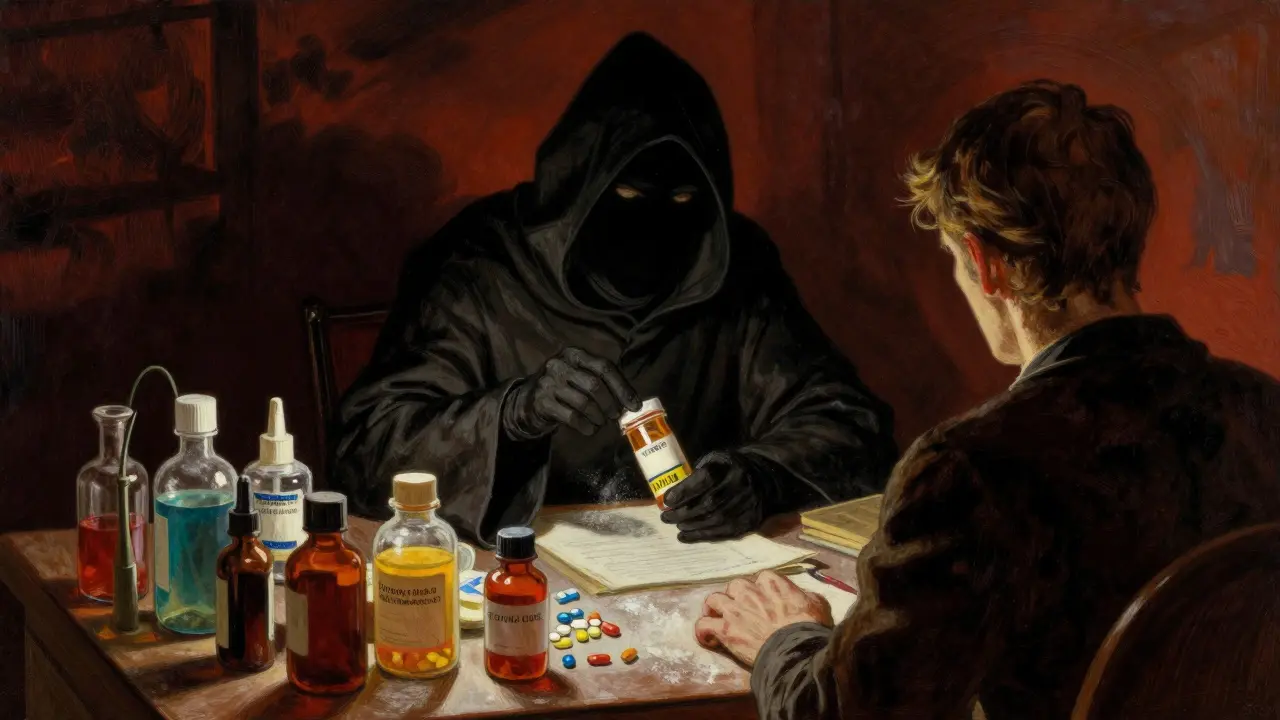
Buying medicine online feels convenient until you realize the pill bottle might contain chalk, industrial dye, or worse. With the global online pharmacy market hitting $68.7 billion in 2022, the internet is flooded with sites selling everything from antibiotics to weight-loss drugs. But here is the scary part: according to data from LegitScript, roughly 96% of online pharmacy websites operate illegally. That means for every one legitimate site, there are dozens of rogue operations waiting to scam you.
You don’t need a degree in pharmacology to spot the difference between a safe retailer and a dangerous trap. You just need to know where to look. This guide breaks down the specific red flags that separate legitimate pharmacies from rogue ones, so you can protect your health and your wallet.
The Prescription Rule: The First Line of Defense
The most obvious sign of a rogue online pharmacy is how easy it makes buying prescription-only medicines (POMs). Legitimate pharmacies follow strict laws. They require a valid prescription from a licensed doctor before they will sell you controlled substances or prescription drugs. Period.
Rogue sites skip this step entirely. A 2023 study published in the National Institutes of Health (NIH) journal found that 98.2% of rogue online pharmacies do not require prescriptions for POMs. If a website lets you buy antibiotics, ADHD medication, or erectile dysfunction drugs without asking for a script, run away. These sites often offer "online consultations" that are nothing more than tick-box exercises designed to bypass safety checks. Real doctors diagnose conditions; fake online forms just collect your credit card info.
- Red Flag: No prescription required for prescription drugs.
- Green Flag: Site requires upload of a scanned prescription or direct contact with your doctor’s office.
Fake Seals and Verification Scams
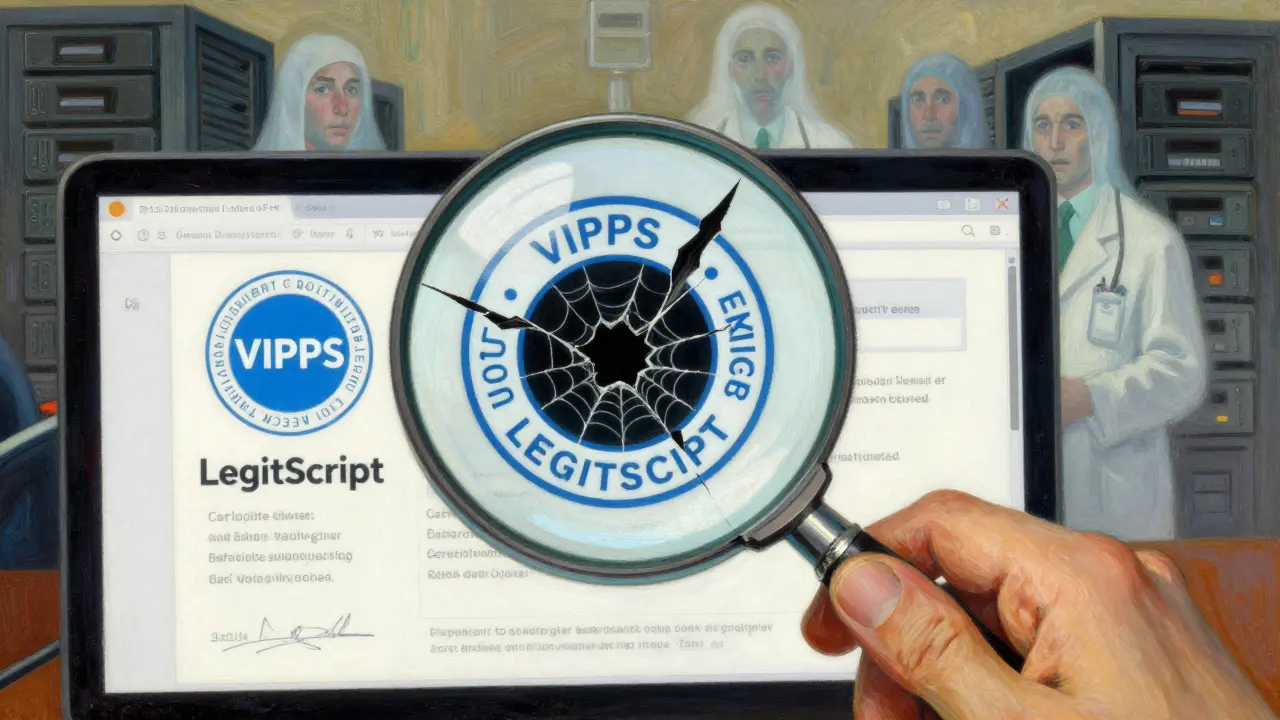
Many rogue pharmacies try to look trustworthy by slapping official-looking badges on their homepage. You might see logos for VIPPS, LegitScript, or the Better Business Bureau. Here is the catch: these seals are often counterfeit images. A study in the Journal of Medical Internet Research (JMIR) revealed that 41.8% of rogue sites display fake verification seals.
To verify if a seal is real, you have to click it. A legitimate VIPPS seal should link directly to the National Association of Boards of Pharmacy (NABP) website, confirming the pharmacy’s status. A fake seal usually links to nowhere, opens a generic page, or takes you back to the same shop. Don’t trust the image; trust the destination URL.
| Feature | Legitimate Pharmacy | Rogue Pharmacy |
|---|---|---|
| Prescription Requirement | Required for all POMs | Not required (98.2% of cases) |
| Physical Address | Verifiable local address | Fake address or P.O. Box only |
| Pharmacist Access | Licensed pharmacist available | No pharmacist or unlicensed staff |
| Pricing | Competitive but realistic | Unrealistically low (76.4% of cases) |
| Contact Info | Working phone number & email | Missing or non-functional (89% of cases) |
Price Too Good to Be True?
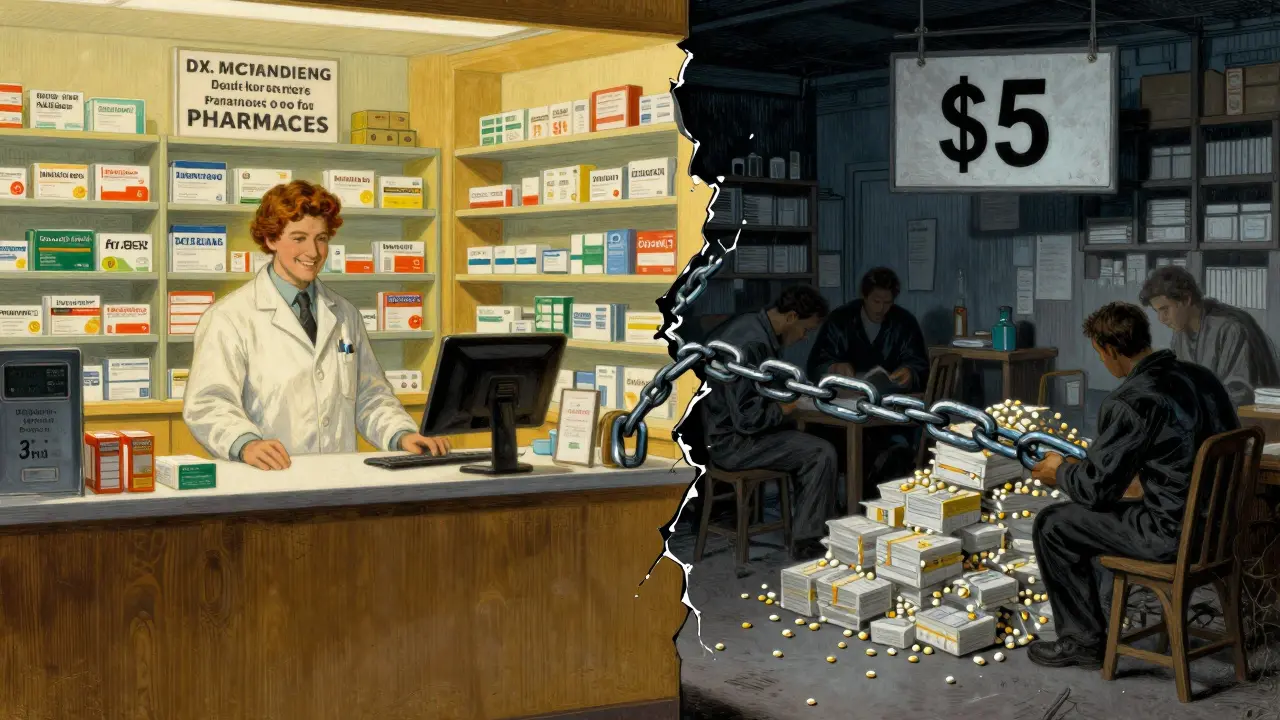
We’ve all been tempted by a deal that seems too good to be true. In the world of online pharmaceuticals, it almost always is. Rogue pharmacies often undercut legitimate retailers by massive margins because they are selling counterfeit, expired, or sub-potent medications. According to regulatory data, 76.4% of rogue sites offer deep discounts that signal illegitimacy.
If a brand-name drug costs $50 at your local pharmacy but the website offers it for $5, ask yourself where the savings come from. It isn’t charity. It’s likely that the pills contain incorrect dosages, wrong ingredients, or harmful contaminants like heavy metals. The FDA has documented numerous cases where medications from illegal sources contained no active ingredient at all, leaving patients untreated for serious conditions.
Location and Contact Information Gaps
A legitimate business has a physical presence. A rogue operation hides behind digital smoke screens. Check the "Contact Us" page carefully. Does the site list a physical street address? Is there a working telephone number? Studies show that 89% of rogue online pharmacies lack verifiable contact information.
Even if an address is listed, verify it. Use Google Maps Street View. Does the address lead to a warehouse, a residential house, or a vacant lot? A 2021 document from Reginfo.gov noted that 67.7% of rogue pharmacies declare a physical location that does not match their actual server location. Many of these servers are hosted in jurisdictions with lax regulations, such as parts of Eastern Europe or Southeast Asia, making legal enforcement nearly impossible.
In the European Union, legal online pharmacies must display a common logo that links to a government verification page showing their authorization status. If you see an EU-based site without this mandatory logo, it is operating illegally. In the US, check if the pharmacy is listed in the NABP’s VIPPS program. As of late 2021, only 68 US online pharmacies held this accreditation, despite thousands of sites claiming to serve American customers.
Spam and Unsolicited Emails
Have you ever received an email offering cheap Viagra or weight loss pills out of the blue? That is a classic hallmark of a rogue pharmacy. Legitimate businesses do not spam random people with medical offers. Regulatory reports indicate that 68.9% of rogue sites engage in sending spam or unsolicited emails.
These emails often use aggressive marketing tactics, creating a sense of urgency or secrecy. They may claim to have "secret" formulations or promise discreet shipping to hide the contents. Real pharmacies prioritize patient privacy and safety, not mass-marketing campaigns via junk mail folders.
How to Verify Before You Buy
Don’t guess when it comes to your health. Take five minutes to verify the pharmacy’s credentials. Here is your checklist:
- Check for Accreditation: Look for the VIPPS seal in the US or the GPhC registration in the UK. Click the seal to ensure it leads to the official regulator’s site.
- Verify the Pharmacist: Legitimate sites list a licensed pharmacist who is available to answer questions about your medication. Try calling them.
- Confirm the Address: Ensure the physical address matches the domain’s jurisdiction. If a US pharmacy claims to ship from overseas, be skeptical.
- Use Third-Party Tools: Services like LegitScript categorize pharmacies as Legitimate, Unverified, Unapproved, or Rogue. While not perfect, their database is a strong indicator.
- Consult Your Doctor: Ask your healthcare provider which online pharmacies they trust. Many clinics now partner with verified digital pharmacies for refills.
The rise of cryptocurrency payments and social media advertising has made rogue pharmacies harder to track, but the red flags remain visible if you know what to look for. By sticking to verified, accredited sources, you ensure that the medicine you take is safe, effective, and exactly what was prescribed.
What is the VIPPS program and why does it matter?
VIPPS stands for Verified Internet Pharmacy Practice Sites. It is a certification program run by the National Association of Boards of Pharmacy (NABP) in the United States. It matters because it verifies that an online pharmacy follows state and federal laws, employs licensed pharmacists, and dispenses genuine medications. As of recent reports, only a small fraction of online pharmacies hold this accreditation, making it a gold standard for safety.
Can I trust an online pharmacy that doesn't require a prescription?
No. Any online pharmacy that sells prescription-only medicines (POMs) without requiring a valid prescription from a licensed doctor is operating illegally. Studies show that over 98% of such sites are rogue operations. Skipping the prescription process removes critical safety checks, putting you at risk of receiving counterfeit, contaminated, or incorrectly dosed medications.
How can I tell if a pharmacy's verification seal is fake?
Click on the seal. A legitimate seal for programs like VIPPS or LegitScript will redirect you to the official website of the verifying organization, where you can confirm the pharmacy's status. If the link is broken, leads to a generic page, or stays on the pharmacy's own site, the seal is likely a counterfeit image used to deceive consumers.
Why are prices at rogue online pharmacies so much lower?
Rogue pharmacies offer unrealistically low prices because they sell counterfeit, expired, or substandard medications that cost very little to produce. They also avoid the costs associated with quality control, licensed staffing, and regulatory compliance. These savings are passed on to you in the form of cheap pills that may be ineffective or dangerous.
Is it safe to buy medication from online pharmacies outside my country?
It is generally risky. Most rogue online pharmacies operate across international borders to evade local laws and regulations. Medications purchased from abroad may not meet the safety standards of your home country, and you have little legal recourse if something goes wrong. Always prefer pharmacies that are licensed and regulated within your own jurisdiction.

Naresh Chandra
I really appreciate this detailed breakdown, it is very helpful for people who might not know the risks involved. It is terrifying to think that so many sites are fake, but knowing what to look for gives me a bit more confidence. I always check the address now, just to be safe.
dane thorp
The point about the VIPPS seal linking directly to the NABP site is crucial. Most people just glance at the logo and assume it's valid without clicking through to verify the actual accreditation status on the regulator's domain.
Michael Schurmann
It is frankly astonishing how many people still fall for these obvious scams despite all the warnings available online. The level of gullibility required to buy prescription meds from a site with no physical address is truly beyond comprehension.
Christina Mitchell
We often forget that behind every transaction is a human health outcome. When we choose convenience over verification, we are gambling with our well-being in ways that statistics can barely capture. Trust must be earned, not assumed.
Christopher Laver
Boring read.
Russell Russell
Let us take ownership of our health by being diligent consumers. Knowledge is power, and understanding these red flags empowers you to make safer choices every single day. Stay vigilant and protect your community.
Joseph Teichman
Good info here. Just remeber to check the pharmacist license too. Its easy to miss if ur rushing.
Elizabeth Fandry
One must consider the epistemological crisis inherent in digital commerce 🧐. How can one truly know the provenance of a substance when the seller exists only as pixels? It is a profound existential risk that modern society ignores at its peril 😬.
Madeline Petes
seriously tho, why do ppl keep falling for this?? i mean come on. its like begging to get sick. the prices are too low for a reason, its not magic its fraud. stop being lazy and go to a real pharmacy or use a legit telehealth service.
Ramanath Rao
In India, we have strict regulations under the Drugs and Cosmetics Act, yet even here, rogue operators find loopholes. The global nature of the internet makes enforcement nearly impossible without international cooperation. We need stronger cross-border legal frameworks to tackle this menace effectively.
irine sabrina
I completely agree with the sentiment here! It is so important to look out for each other. Let us spread the word about checking those seals. Everyone deserves to feel safe when they are managing their health conditions. ❤️
Gary Helminiak
As someone who works in supply chain logistics, I can tell you that the cost savings claimed by these rogue pharmacies are physically impossible unless they are cutting corners on quality control 💊. Legitimate sourcing involves warehousing, cold chain management, and regulatory compliance fees that simply cannot be ignored. If the price looks suspiciously low, it is because they have eliminated the safety net that protects you from receiving contaminated goods 📉.
Cyburg Adeoye
This is such an empowering resource for everyone! We can all be proactive in safeguarding our well-being by utilizing these verification tools. Let us support each other in making informed decisions and sharing this critical knowledge within our communities! 🌟