Performance-Enhancing Drug Risk Calculator
How This Tool Works
Enter your usage details below to get an assessment of potential health risks based on medical research. This tool uses data from the article to show you the potential consequences of performance-enhancing drug use. Results are estimates only and shouldn't replace professional medical advice.
Recommended Alternatives
- Creatine monohydrate: Boosts strength by 5-15%
- Beta-alanine: Delays fatigue and improves endurance
- Adequate protein: 1.6-2.2g per kg body weight daily
- 7-9 hours of quality sleep
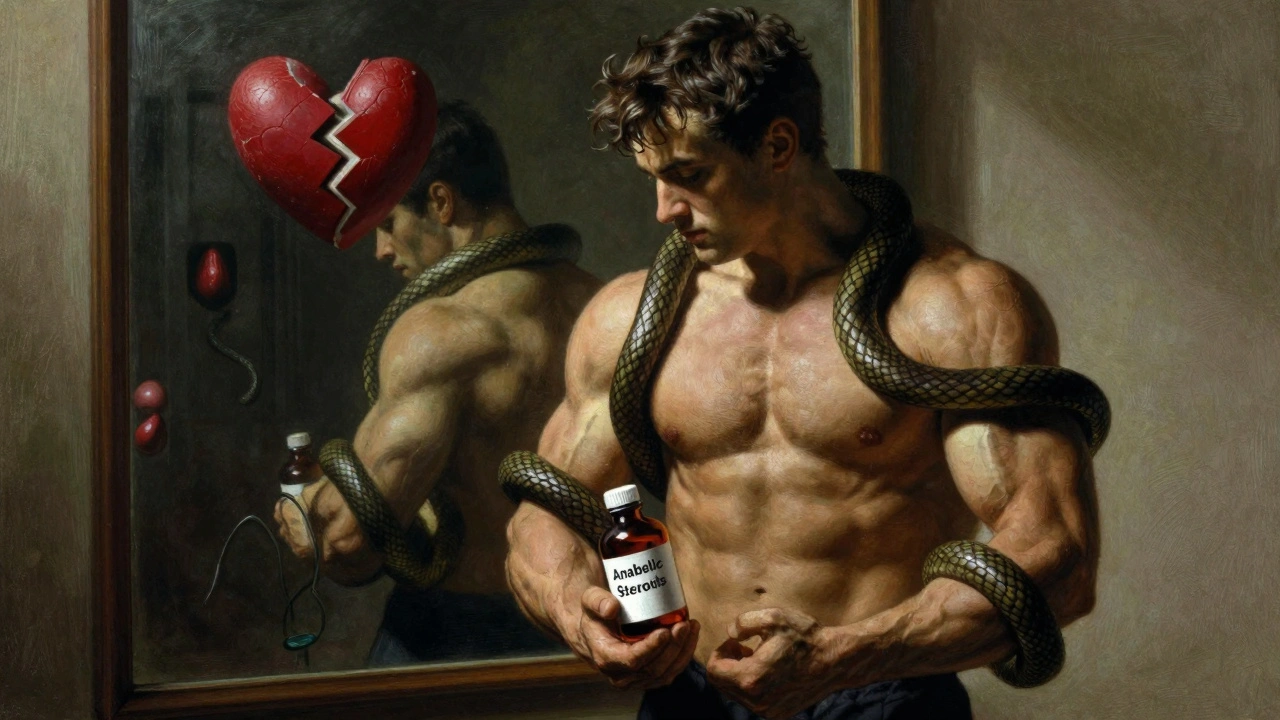
Every year, thousands of athletes - from weekend gym-goers to competitive players - take medications thinking they’ll get stronger, faster, or recover quicker. But many of these substances don’t just boost performance. They can wreck your heart, shut down your hormones, and even shorten your life. The truth is, performance-enhancing drugs aren’t just for Olympians anymore. Most users today aren’t competing at all. They’re regular people trying to look better or push past their limits. And they’re often unaware of what they’re really putting into their bodies.
What Are Performance-Enhancing Drugs, Really?
Performance-enhancing drugs (PEDs) are substances used to improve physical ability beyond what training and diet alone can achieve. This includes anabolic steroids like nandrolone and stanozolol, stimulants like amphetamines and high-dose caffeine, human growth hormone (hGH), and blood doping methods. These aren’t new. The U.S. Olympic weightlifting team started using Dianabol in 1954 after noticing Soviet athletes gaining muscle faster. Since then, the World Anti-Doping Agency (WADA) has kept a list of over 250 banned substances, updated every year. But here’s the twist: elite athletes now make up only 15-20% of PED users. The rest? Recreational gym-goers. A 2023 study from the University of Colorado found that 60-80% of anabolic steroid misuse happens outside of competition. People are buying these drugs online, often from unregulated sellers, thinking they’re safe because they’re not in a race. They’re wrong.How These Drugs Actually Work
Anabolic steroids mimic testosterone. When you take them, your body starts building muscle faster - up to 10-20% more than natural limits. Doses vary wildly: some users take 50 mg a week, others push 1,000 mg. That’s like taking 10-20 times your body’s natural production. It sounds great until your liver starts struggling. Studies show 68% of people using oral steroids develop elevated liver enzymes - a sign of damage. Stimulants like ephedrine or high-dose caffeine work differently. They flood your brain with dopamine and norepinephrine. That means quicker reaction times - up to 12% faster - and less perceived fatigue. But the margin for error is tiny. Too much caffeine (over 6 mg per kg of body weight) can cause heart palpitations, seizures, or even death. In the U.S. alone, energy drink overdoses send over 2,000 people to the ER every year. Blood doping - injecting extra red blood cells or using EPO - boosts oxygen delivery to muscles. That can raise VO2 max by 5-15%, making endurance athletes faster. But when hematocrit (the percentage of red blood cells in your blood) climbs above 50%, your blood thickens. That increases stroke risk by seven times. There are documented cases of healthy 25-year-olds suffering strokes after blood doping.The Hidden Health Costs
The biggest danger isn’t getting caught. It’s what happens inside your body. Heart damage is the most serious risk. Anabolic steroids cause your heart muscle to thicken - by 27-45% more than normal, even after adjusting for body size. This isn’t just bulk. It’s abnormal growth. Echocardiograms show reduced pumping efficiency in chronic users. The American Heart Association says steroid use raises the risk of major heart events by 36%. Some users develop cardiomyopathy before they’re 30. Liver damage is common with oral steroids. These compounds are chemically altered to survive digestion, but that makes them toxic to the liver. Long-term use can lead to tumors, cirrhosis, or liver failure. Hormonal chaos hits both men and women. In men, natural testosterone production shuts down. After 8 weeks of use, 90% of users drop below 300 ng/dL - the clinical threshold for hypogonadism. Testicles shrink. Sperm counts plunge below 1 million per mL (normal is over 15 million). Recovery can take 6-12 months. Some never fully bounce back. Women face irreversible changes: voice deepening in 35% of users, clitoral enlargement beyond 2.5 cm, and facial hair growth. These don’t always reverse after stopping. Tendons and ligaments don’t grow as fast as muscle. That creates a deadly imbalance. Athletes report tendon ruptures at loads they’ve never hit before - because their strength jumped 20% while their connective tissue stayed the same. One study found tendon strength dropped to 70% of expected capacity in steroid users.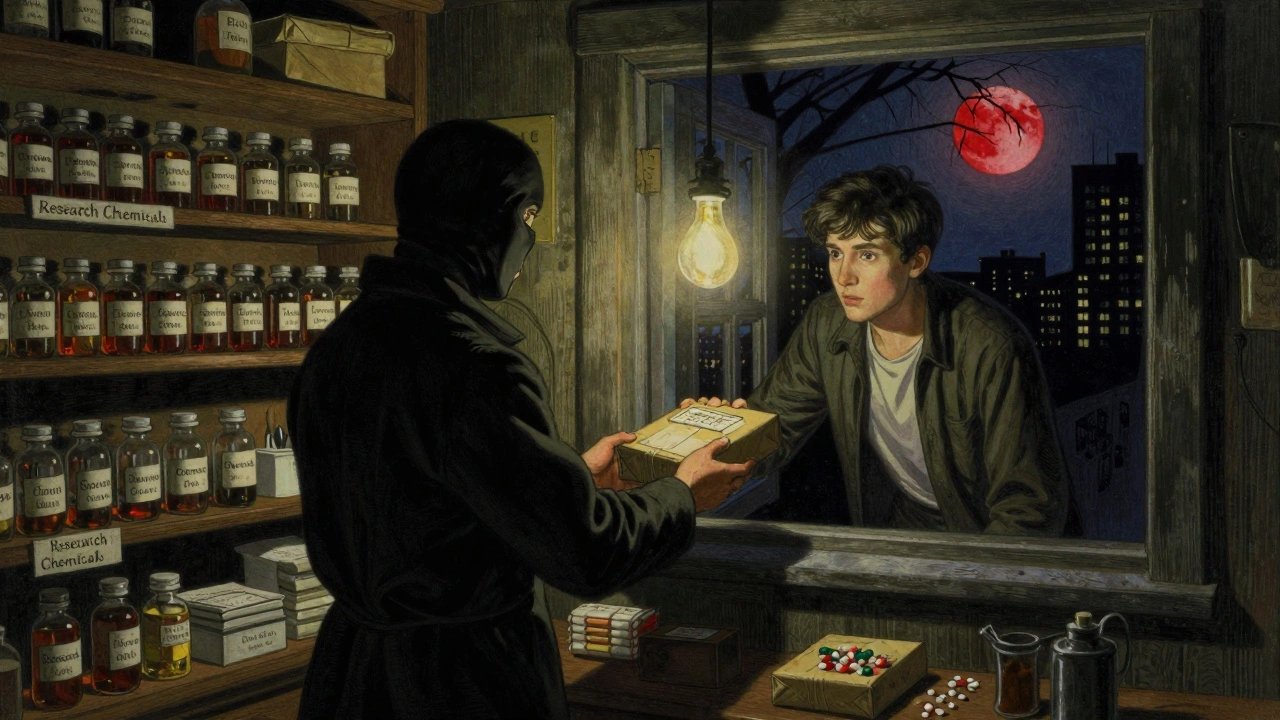
The Psychological Toll
It’s not just physical. Mood swings are common. A 2022 survey of recreational users found 83% experienced severe mood changes - rage, paranoia, depression. Many describe it as a rollercoaster: high energy and confidence while on cycle, then crushing lows during the off-weeks. Depression after stopping steroids is real and dangerous. One Reddit user wrote: “I gained 25 lbs of muscle in 10 weeks. Then lost it all in 8 weeks off-cycle. I couldn’t get out of bed. My doctor said I needed antidepressants.” Studies show 67% of users develop clinically significant depression after quitting. And here’s the catch: many don’t realize they’re addicted. They keep cycling, thinking they’re in control. But 38% of long-term users end up needing lifelong testosterone replacement therapy because their bodies can’t restart production.What About ‘Safer’ Alternatives Like SARMs?
A lot of people turn to SARMs - selective androgen receptor modulators - thinking they’re the smart choice. They’re marketed as “legal steroids” with fewer side effects. But the FDA tested over 100 SARMs products sold online. 89% contained different, unapproved chemicals than listed on the label. Some had liver-toxic compounds not even studied in humans. WADA added three new SARMs to its 2023 banned list after seeing massive spikes in use. Yet they’re still sold as “research chemicals” with disclaimers like “not for human consumption.” That’s a loophole. No one’s checking what’s actually in the bottle.Why Doctors Often Miss It
Most people never tell their doctor they’re using PEDs. A 2021 report from the American Academy of Family Physicians found that 42% of recreational users admit to using performance drugs - but only 12% ever mention it during a checkup. Why? Because the signs don’t always show up in routine blood work. A normal cholesterol level doesn’t rule out steroid use. A normal testosterone reading might mean the user just stopped taking it days before the test. Doctors aren’t trained to ask the right questions. And many assume PED use is only a pro-athlete problem. Therapeutic Use Exemptions (TUEs) exist for legitimate medical needs - like hormone replacement for diagnosed hypogonadism. But even those require proof: two blood tests showing testosterone below 250 ng/dL, plus documentation of symptoms. No one gets a TUE just to feel stronger or look better.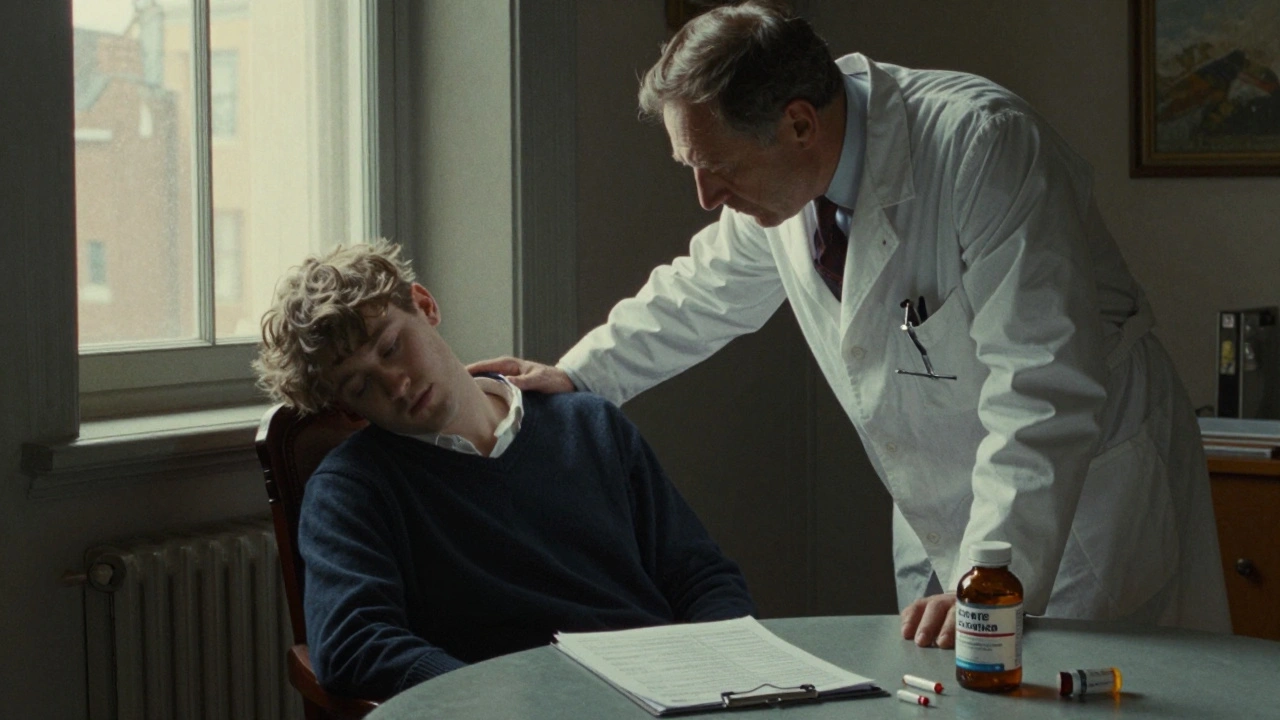
The Bigger Picture: Why This Keeps Growing
The global PED market was worth $467 million in 2022. It’s projected to hit $683 million by 2027. But that’s only the legal side. Underground sales - through Instagram ads, dark web vendors, and “wellness clinics” - are far larger. Wellness centers are a growing source. Some offer “bio-identical hormone therapy” for anti-aging, but slip in banned substances like hGH or testosterone without telling patients. One patient thought he was getting a “metabolism boost.” Two years later, he had a heart attack at age 31. And the culture is shifting. A 2023 University of Michigan survey found 58% of gym-goers have no moral problem with using PEDs if they’re not competing. That’s a dangerous mindset. Health isn’t optional. You can’t trade your future for a few extra pounds of muscle.What Should You Do Instead?
If you want to build strength, endurance, or recover faster - there are safer, proven ways:- Track your protein intake: 1.6-2.2 grams per kg of body weight daily supports muscle growth without drugs.
- Get 7-9 hours of sleep. Growth hormone peaks during deep sleep.
- Use creatine monohydrate - it’s legal, backed by 30+ years of research, and boosts strength by 5-15%.
- Try beta-alanine for endurance. It buffers lactic acid and delays fatigue.
- Work with a coach who focuses on long-term progress, not quick fixes.
Final Reality Check
No drug gives you superhuman strength without a price. The fastest gains - the ones that look like magic - are the most dangerous. The Mayo Clinic says any short-term performance boost from PEDs comes with “unacceptable long-term health risks,” including cardiovascular aging equivalent to 10-15 extra years. You might not feel it now. But five years from now, when your heart starts acting up, or your energy crashes, or your doctor tells you your testosterone will never recover - you’ll wish you’d waited. The strongest athletes aren’t the ones with the most drugs in their system. They’re the ones who trained smart, stayed consistent, and didn’t gamble with their health.Are performance-enhancing drugs ever safe for athletes?
No. Even when used under medical supervision, performance-enhancing drugs like anabolic steroids, hGH, and blood doping agents are not considered safe for healthy athletes. Their use outside of legitimate medical conditions (like hormone deficiencies) carries serious, often irreversible risks to the heart, liver, hormones, and mental health. WADA and medical authorities universally advise against their use for performance enhancement.
Can you recover from steroid use?
Some effects are reversible, but not all. Natural testosterone production can return in 6-12 months for many users, but 38% of long-term users develop permanent hypogonadism requiring lifelong treatment. Heart thickening may improve after stopping, but fibrosis and loss of tissue elasticity are often permanent. Voice deepening in women and male pattern baldness are irreversible. Recovery isn’t guaranteed - and it’s rarely quick.
Do SARMs really have fewer side effects than steroids?
No. SARMs are marketed as safer, but they’re unregulated and often mislabeled. FDA testing found 89% of SARMs products contain undisclosed, potentially toxic chemicals. They still suppress natural testosterone, damage the liver, and increase cardiovascular risk. There’s no long-term safety data. They’re not a safe alternative - they’re a gamble with unknown consequences.
How common is PED use among non-competitive athletes?
Extremely common. Studies show 60-80% of anabolic steroid users are recreational gym-goers, not competitive athletes. Many believe they’re safe because they’re not tested, but the health risks are the same. The rise of online vendors and misleading marketing has made these drugs easier than ever to access - and far more dangerous than people realize.
Why don’t doctors catch more cases of PED use?
Most users never disclose it. In surveys, only 12% of users admit to their doctor. Plus, the symptoms - like low testosterone or high blood pressure - can look like normal aging or stress. Doctors aren’t routinely trained to ask about gym supplements or steroid use. Without a direct confession, it’s easy to miss - until something serious happens.
What are the best legal alternatives to PEDs?
The most effective, science-backed legal options are creatine monohydrate (boosts strength and power), beta-alanine (delays fatigue), adequate protein intake (1.6-2.2g/kg/day), quality sleep (7-9 hours), and progressive training. These methods don’t offer instant results, but they build sustainable strength without risking your health. No supplement replaces consistent effort and smart recovery.

john damon
bro i took steroids for 3 months just to look good for my wedding... now my testes are the size of peas and i cry when i see my reflection 😭
matthew dendle
so u mean ur telling me i wasted 2 years of my life lifting while my buddy on cycle got jacked in 4 months?? lmao typical. ur just mad u dont have the balls to take the shot 😏
Courtney Blake
you people are pathetic. America is falling apart because of weak men who think a pill fixes their insecurity. We used to respect hard work. Now? You’d rather die young with 20 lbs of fake muscle than live to 70 with real strength. Sad. 🇺🇸
Jimmy Kärnfeldt
hey i get it. we all want to feel stronger, faster, better. but the real win isn’t in the mirror - it’s in being alive at 50 to play with your grandkids. i’ve seen friends lose everything chasing a quick fix. your body isn’t a machine to upgrade. it’s your one true home. take care of it. 🌱
Ariel Nichole
creatine changed my life. no side effects, just gains. i’ve been on it for 5 years and still feel amazing. if you’re thinking about steroids, just try this first. it’s not magic, but it’s real. and you’ll still be walking at 60. 🙌
Jim Irish
the medical community must do better. doctors need to ask about supplement use as routinely as they ask about smoking or alcohol. this is a public health crisis hiding in plain sight. education and screening are urgent.
ignoring it won’t make it go away.
Mia Kingsley
you guys are all being dramatic. my cousin took steroids for 6 months and now he’s a pro bodybuilder. he’s fine. you’re just jealous because you’re too lazy to do what it takes. also sarms are totally safe if you buy from legit sites. i’ve been using them for 2 years and my liver is fine 😎
Katherine Liu-Bevan
the FDA’s findings on SARMs are alarming - 89% of products contain unlisted, toxic compounds. Many contain undisclosed androgen receptor agonists not approved for human use. Some have been linked to acute liver failure. There is zero long-term safety data. Calling them 'safer' is dangerously misleading. Always check third-party lab reports - and even then, proceed with extreme caution. Your liver doesn’t forgive mistakes.
Eddie Bennett
just saw a guy at the gym take a pill labeled 'test booster' and then bench 315 like it was nothing. looked at him after - eyes red, sweating like a man possessed. he said he’s been doing this for 3 years. i asked him if he’s ever been checked. he laughed and said 'doc says i'm fine'.
idk man. i think i’m gonna stick with creatine and sleep. just not worth it.