Vitamin E Intake Calculator
Calculate your daily vitamin E intake from common foods and see if you're meeting the recommended daily allowance for heart health (15 mg or 22.4 IU).
Your Vitamin E Intake
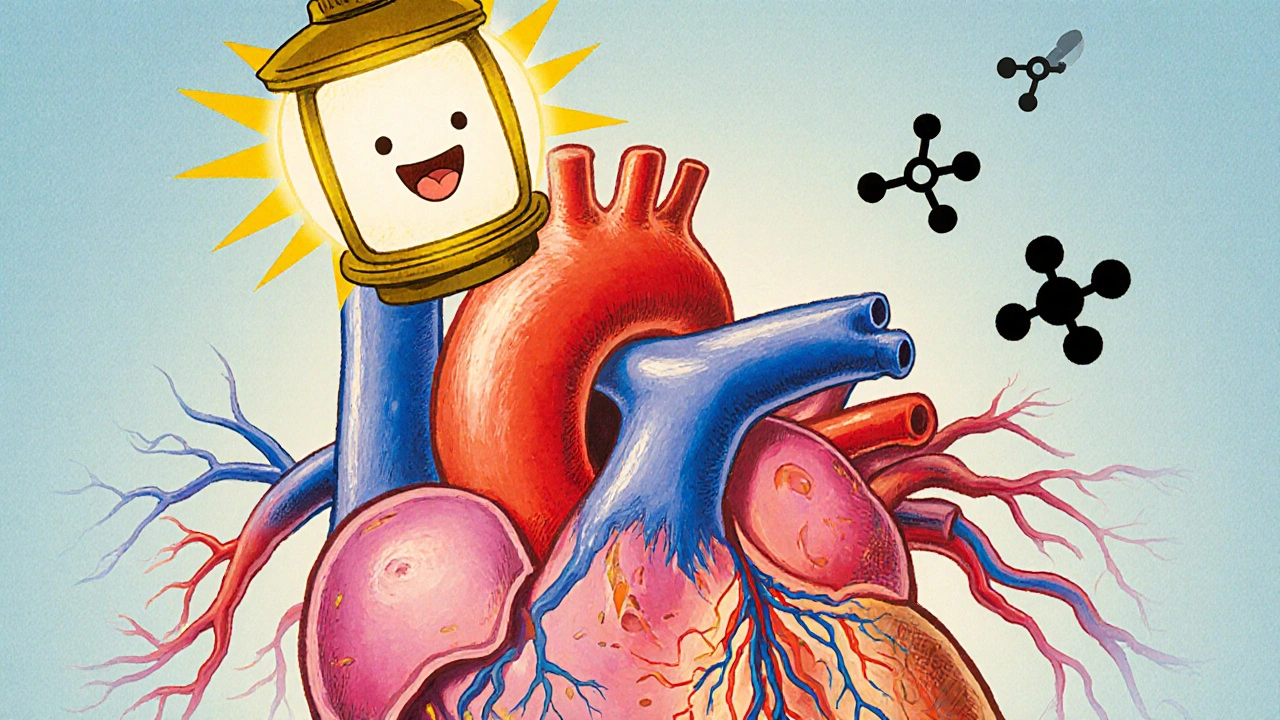
Recommended: 15 mgWhen it comes to keeping your ticker in top shape, vitamin E is often the unsung hero. It’s not just another supplement you toss into a bottle - it’s a powerful antioxidant that helps protect your blood vessels, curb bad cholesterol, and stop oxidative damage before it starts. Below we’ll break down exactly why vitamin E matters for your heart, what signs tell you you might be low, and how to get enough without overdoing it.
What vitamin E actually does in the body
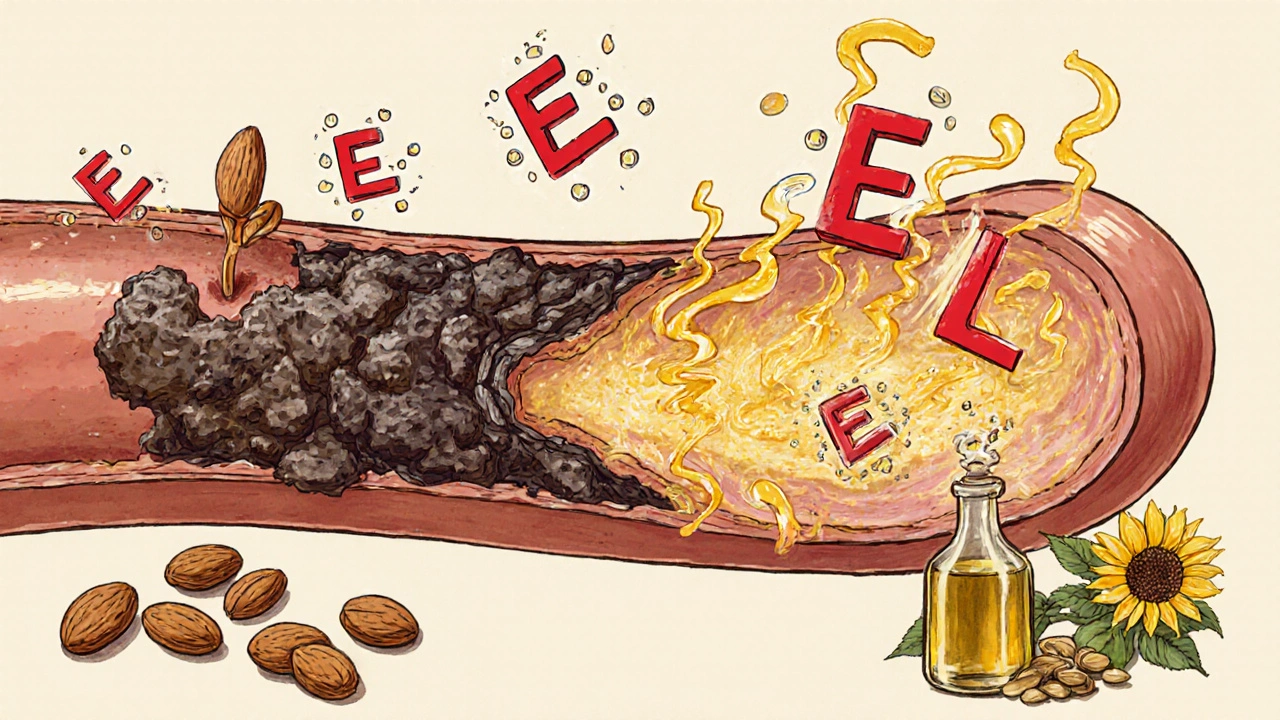
Vitamin E is a fat‑soluble antioxidant that shields cell membranes from free‑radical attacks. Think of it as the body’s rust‑proofing spray for the delicate lining of your arteries. By neutralising reactive oxygen species, it preserves the flexibility of blood vessels and stops LDL cholesterol from becoming the sticky, oxidised form that fuels plaque buildup.
The link between vitamin E and heart disease
Heart disease is the leading cause of death worldwide, and a major driver is atherosclerosis - the slow, silent clogging of arteries. Research from the American Heart Association (2023) showed that people with higher plasma vitamin E levels had a 15 % lower risk of coronary events compared to those with low levels. The protective chain works like this:
- Vitamin E stops oxidation of LDL cholesterol, keeping it from turning into the sticky form that sticks to artery walls.
- It maintains the health of blood vessels by preserving endothelial function, which regulates blood pressure and clotting.
- By reducing oxidative stress, vitamin E lowers inflammation - a key factor that accelerates plaque rupture and heart attacks.
How vitamin E deficiency hurts your heart
A deficiency isn’t just a theoretical concern; it shows up with real symptoms that can sneak up on you:
- Muscle weakness and feeling unusually tired - your heart has to work harder to pump blood.
- Impaired vision - the retina’s tiny blood vessels suffer without enough antioxidant protection.
- Increased oxidative stress markers in blood tests - doctors often see higher C‑reactive protein (CRP) levels, a sign of hidden inflammation.
Populations at risk include people with fat‑malabsorption disorders (like Crohn’s), those on very low‑fat diets, and individuals who smoke heavily, since smoking burns through antioxidant stores faster.
How much vitamin E do you really need?
The Recommended Dietary Allowance (RDA) for adults is 15 mg (22.4 IU) of alpha‑tocopherol per day. That amount is enough to keep blood levels in the protective range without risking excess, which can interfere with blood clotting. For most people, hitting the RDA is as easy as adding a handful of nuts or a splash of oil to a salad.
Best dietary sources - food vs. supplements
| Food | Alpha‑tocopherol (mg) | Other key nutrients |
|---|---|---|
| Almonds | 25.6 | Magnesium, fiber, healthy fats |
| Sunflower seeds | 35.1 | Vitamin B1, selenium |
| Spinach (cooked) | 2.0 | Iron, vitamin K, folate |
| Avocado | 2.1 | Potassium, monounsaturated fats |
| Wheat germ oil | 149.0 | Omega‑3, vitamin D |
Whole foods win hands‑down because they deliver a package of nutrients that work together. Supplements can fill gaps, but they should be taken under medical guidance - especially if you’re on blood‑thinners, as high doses (above 400 IU per day) may increase bleeding risk.
Practical tips to boost your vitamin E intake
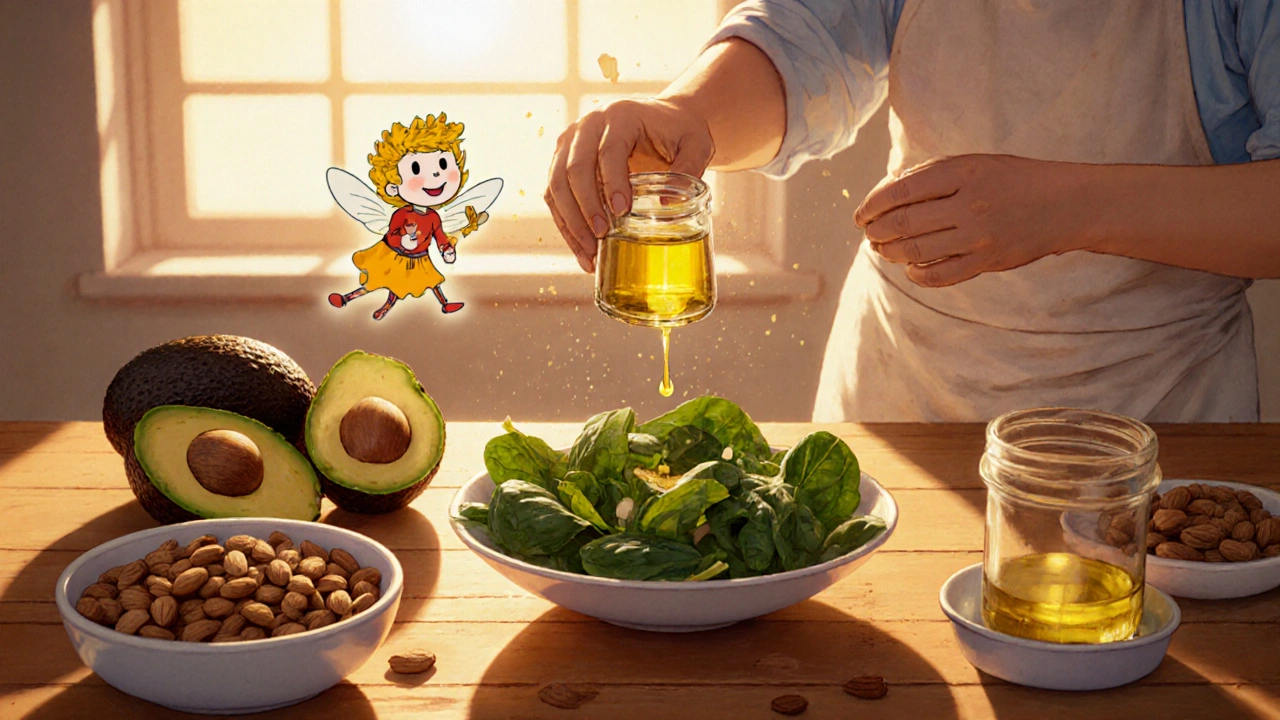
- Snack on a quarter‑cup of almonds or sunflower seeds each afternoon.
- Add a tablespoon of wheat germ oil to smoothies or oatmeal - the flavor is nutty and mild.
- Mix spinach into soups, stews, or a quick stir‑fry; cooking concentrates its vitamin E.
- Use avocado as a creamy base for dressings or spreads rather than butter.
- If you follow a strict vegan or low‑fat diet, consider a low‑dose (15‑30 IU) supplement after checking with your GP.
When to see a professional
If you notice persistent fatigue, muscle pains, or have been diagnosed with a fat‑malabsorption condition, ask your doctor for a serum vitamin E test. Low levels (< 5 µg/mL) signal a need for dietary changes or supplementation.
Doctors may also run a lipid profile and CRP test together. If your LDL is high and CRP elevated, improving vitamin E intake could be part of the broader heart‑health plan, alongside exercise and weight management.
Bottom line: a simple, heart‑friendly habit
Integrating vitamin E‑rich foods into everyday meals is a low‑effort, high‑reward strategy for protecting your heart. You don’t need fancy pills; just a handful of nuts, a splash of oil, or a green leafy side can keep oxidative stress in check and support healthy blood vessels. Stick to the RDA, watch for deficiency signs, and you’ll give your heart a solid nutritional boost.
What are the main signs of vitamin E deficiency?
Common symptoms include muscle weakness, fatigue, impaired vision, and higher inflammation markers like C‑reactive protein. People with malabsorption disorders or very low‑fat diets are especially at risk.
How much vitamin E should an adult take daily?
The RDA for adults is 15 mg (22.4 IU) of alpha‑tocopherol per day. This amount can be met through food sources like almonds, sunflower seeds, and wheat germ oil.
Can I replace food sources with supplements?
Supplements can fill gaps, but whole foods provide additional nutrients that work synergistically. High‑dose supplements may affect blood clotting, so consult a doctor before taking more than 400 IU per day.
Is vitamin E beneficial for everyone with heart disease?
Evidence suggests that adequate vitamin E levels help reduce oxidative stress, a key factor in atherosclerosis. However, it’s not a stand‑alone cure; it should be part of a balanced diet, regular exercise, and medical management.
What foods give the most vitamin E per serving?
Wheat germ oil tops the list (about 149 mg per 100 g), followed by sunflower seeds (35 mg) and almonds (26 mg). Even a tablespoon of wheat germ oil or a small handful of seeds can meet the RDA.



Demetri Huyler
Honestly, the American palate has long benefited from the humble almond, a true patriotic staple that fortifies our arteries while we keep the flag waving. It's not merely about popping a few nuts; it's about embracing a diet that reflects our national commitment to health and vigor. Vitamin E, as the article rightly points out, is the rust‑proofing spray for our arteries, and the U.S. boasts some of the finest sources-from sunflower seeds to wheat germ oil. If you think the benefits are overrated, just glance at the epidemiological data showing reduced coronary events among our heart‑healthy citizens. In short, stop dabbling in fad supplements and recognize the power of real, home‑grown nutrition.
JessicaAnn Sutton
While the article presents a commendable overview of vitamin E’s cardioprotective mechanisms, several nuances merit rigorous scrutiny. First, the cited 15% reduction in coronary events originates from observational cohorts, which cannot definitively establish causality. Second, the biochemical premise that vitamin E alone stabilizes endothelial function overlooks the synergistic interplay with vitamin C and polyphenols. Third, the recommended daily allowance of 15 mg presumes average lipid absorption, yet individuals with malabsorptive disorders may require calibrated dosing under clinical supervision. Fourth, the assertion that wheat germ oil delivers 149 mg per 100 g must be contextualized against its high caloric density, which could inadvertently exacerbate weight‑related risk factors if consumed indiscriminately. Fifth, the article’s brief mention of bleeding risk at doses exceeding 400 IU omits the critical distinction between synthetic dl‑alpha‑tocopherol and natural d‑alpha‑tocopherol, the latter exhibiting a more favorable safety profile. Sixth, the reference to CRP as a surrogate marker of oxidative stress fails to account for its multifactorial etiology, including infection and systemic inflammation unrelated to lipid oxidation. Seventh, the recommendation to “snack on a quarter‑cup of almonds” does not consider the potential for aflatoxin contamination in improperly stored nuts, which poses a separate health hazard. Eighth, the emphasis on antioxidant supplementation inadvertently downplays the primacy of lifestyle modifications such as regular aerobic exercise, which independently upregulates endogenous antioxidant enzymes. Ninth, the article’s omission of genetic polymorphisms affecting tocopherol transport proteins neglects a subset of the population for whom standard RDA may be insufficient. Tenth, the discussion of vitamin E’s role in vision preservation, while accurate, should be accompanied by a caution regarding high‑dose supplementation, as excess tocopherol can interfere with retinal cell signaling. Eleventh, the piece does not address the emerging evidence that vitamin E may influence gut microbiota composition, an area of growing relevance to cardiovascular health. Twelfth, the claim that vitamin E reduces LDL oxidation should be tempered by the recognition that LDL particle size and density are also pivotal determinants of atherogenicity. Thirteenth, the article’s lack of differentiation between alpha‑tocopherol and other tocopherol isoforms (beta, gamma, delta) overlooks the latter’s potent anti‑inflammatory properties. Fourteenth, the suggestion to “add a tablespoon of wheat germ oil to smoothies” disregards the oil’s susceptibility to oxidation upon exposure to heat and light, potentially generating pro‑oxidant compounds. Finally, while the overall tone is encouraging, the piece would benefit from a more balanced appraisal that integrates both the potential advantages and the limitations of vitamin E supplementation in the context of comprehensive cardiovascular risk management.
Israel Emory
Reading through the data, it becomes clear that vitamin E isn’t a silver bullet, but it does play a meaningful role, especially when paired with a balanced diet; the synergy of nutrients is where the real magic happens. Moreover, the oxidative stress cascade is a complex web, and targeting one node can alleviate pressure on the whole system. That said, individual variability – genetics, lifestyle, existing conditions – must guide any supplementation strategy. Ultimately, a holistic approach beats any single‑nutrient fix.
Sebastian Green
I hear you.
Kirsten Youtsey
One must wonder whether the so‑called "scientific consensus" on vitamin E isn’t merely a façade orchestrated by hidden agribusiness lobbies; after all, wheat germ oil isn’t exactly a mainstream staple, yet it tops the charts. The article conveniently downplays the potential for corporate influence on research funding, steering readers toward convenient dietary tweaks while ignoring the broader agenda. In my view, the narrative feels curated to keep the populace complacent, distracted by the allure of simple food hacks instead of confronting systemic dietary manipulation.
laura wood
It’s fascinating how diverse cultural cuisines naturally incorporate vitamin E‑rich foods-think Mediterranean olive oil, Japanese toasted sesame, or West African groundnuts. Sharing these traditions not only broadens our palate but also strengthens community bonds, reminding us that nutrition is both personal and collective. Let’s celebrate the variety that sustains our hearts across the globe.
Kate McKay
Great read! To make this practical, try setting a simple goal: add a handful of almonds to your daily snack or drizzle a teaspoon of wheat germ oil into your morning oatmeal. Small, consistent steps compound over time, turning those micronutrient targets into lasting habits. Remember, consistency beats intensity when it comes to heart health.
Wesley Humble
From a mechanistic perspective, vitamin E functions as a peroxyl radical scavenger, thereby preserving LDL integrity and attenuating foam cell formation. Empirical studies consistently demonstrate dose‑response relationships up to the physiological threshold, beyond which pro‑oxidant activity may emerge. Consequently, clinicians should individualize supplementation, accounting for concurrent anticoagulant therapy to mitigate hemorrhagic risk. 📊💡
barnabas jacob
Look, the data is clear‑cut: you can't just toss a vague "eat nuts" suggestion at people and expect miracles. The jargon‑laden hype ignores bioavailability, inter‑individual variance, and the fact that many so‑called "healthy" oils are ultra‑processed. If you're serious, dive into the pharmacokinetics, not just the marketing fluff.
jessie cole
What a powerful reminder that nutrition is both science and art. Your heart deserves the best, and these simple dietary tweaks are like gentle nudges toward a brighter, healthier future. Keep up the momentum, and let’s celebrate every small victory on this journey.
Matthew Hall
Listen, the whole "vitamin E saves your heart" storyline smells like a covert operation designed to keep us chewing on the same old peanuts while the real agenda slips by unnoticed. They push wheat germ oil as if it’s a miracle, but don’t tell you it’s harvested under secret contracts. Wake up, stay vigilant, and question every "well‑being" tip that lands on your feed.