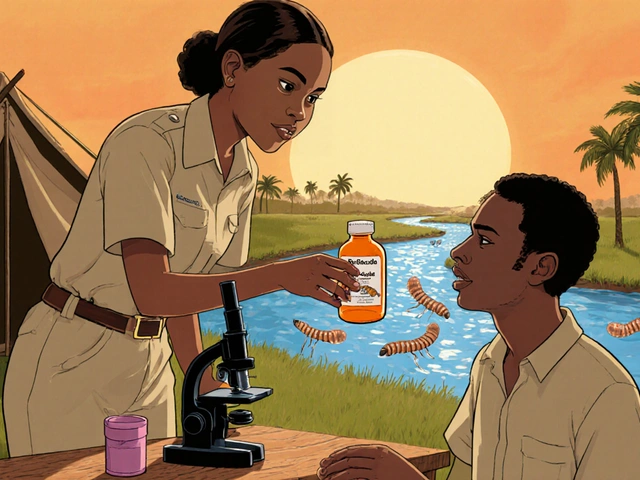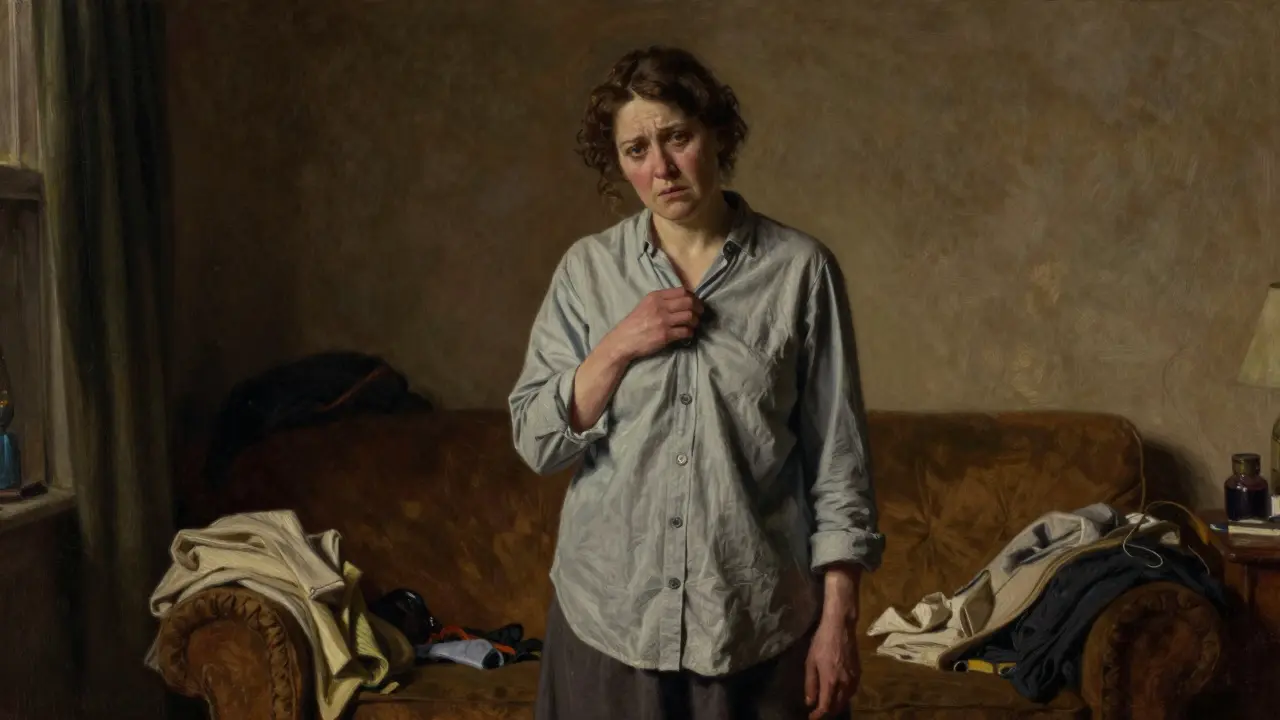
Living with an autoimmune disease means your body’s defense system is attacking its own tissues. This isn’t just about pain; it’s about losing the ability to do the things you used to take for granted. Whether it’s buttoning a shirt, walking to the mailbox, or simply getting through a workday without collapsing, functional impairment is the silent thief that steals independence. You might feel like you’re stuck in a cycle of "boom and bust"-pushing too hard on good days and crashing hard on bad ones. But there is a way out. Rehabilitation and occupational therapy aren't just exercises; they are strategic tools designed to help you reclaim control over your daily life.
Understanding Functional Impairment in Autoimmunity
To fix the problem, we first need to understand what’s breaking down. Functional impairment in conditions like rheumatoid arthritis, lupus, or multiple sclerosis comes from three main sources. First, there is direct tissue damage caused by inflammation. Second, there are side effects from medications, which can include fatigue or muscle weakness. Third, and perhaps most insidious, is deconditioning. When you hurt, you move less. When you move less, your muscles weaken, and your joints stiffen. This creates a vicious cycle where even simple tasks become exhausting.
The statistics paint a stark picture. Approximately 5-8% of the global population lives with an autoimmune disorder, with women affected at a rate three times higher than men. The goal of rehab isn't to cure the disease-that’s the job of rheumatologists and immunologists. The goal of rehab is to mitigate the decline. Research published in the Journal of Autoimmunity (2022) shows that structured programs can improve functional capacity by 35-42%. That’s not a small number. It’s the difference between needing assistance for basic care and maintaining your independence.
Physical Therapy vs. Occupational Therapy: What’s the Difference?
Many patients confuse these two disciplines because they often happen in the same building. But their jobs are distinct. Think of physical therapy (PT) as focusing on the "how" of movement, while occupational therapy (OT) focuses on the "what" of daily living.
| Feature | Physical Therapy (PT) | Occupational Therapy (OT) |
|---|---|---|
| Primary Focus | Movement, strength, balance, and lower extremity function | Activities of Daily Living (ADLs), upper extremity function, and energy management |
| Key Outcome Measure | Timed Up and Go test (lower body mobility) | Arthritis Hand Function Test & Canadian Occupational Performance Measure |
| Efficacy Data | 28% greater efficacy for lower extremity function | 33% superior results for upper extremity and ADLs |
| Typical Interventions | Aerobic training, hydrotherapy, gait training | Energy conservation techniques, adaptive equipment, home modifications |
If you struggle to walk up stairs or maintain balance, PT is your anchor. If you struggle to cook dinner, write an email, or manage your wardrobe due to hand pain or fatigue, OT is your key. The best outcomes usually come from a combination of both, tailored to your specific limitations.
The Science of Exercise: Dosing Movement Like Medication
One of the biggest myths in autoimmune care is that rest is always best. In fact, total rest accelerates deconditioning. However, pushing through pain is equally dangerous. Dr. Jane Smith from Johns Hopkins puts it perfectly: exercise must be dosed like medication. It requires precise frequency, intensity, time, and type parameters adjusted to your current disease activity.
Here is how modern protocols structure this:
- Acute Flare Phase: Stick to isometric exercises (muscle contractions without joint movement) at 20-30% of your maximum voluntary contraction. Avoid stretching inflamed joints.
- Remission/Stable Phase: Advance to aerobic training at 40-60% of your heart rate reserve. This builds cardiovascular health without overstressing the joints.
- Contraindications: Stop immediately if you have active swelling in more than two joints, a fever over 100.4°F, or if you had a corticosteroid injection within the last 72 hours.
Hydrotherapy, or water-based exercise, is particularly effective during active phases. Water supports your weight, reducing stress on joints, while providing gentle resistance. Studies show hydrotherapy produces 22% greater pain reduction compared to land-based exercise when disease activity is high. The ideal temperature for the pool is 92-96°F, which helps soothe stiffness without overheating the body.

Occupational Therapy: Mastering Energy Conservation
While PT rebuilds your body, OT teaches you how to live within its limits. The core strategy here is energy conservation, often structured around the "4 Ps": Prioritize, Plan, Pace, and Position.
Pacing is the most critical skill. Most patients fall into the "boom-bust" cycle. On a good day, they clean the whole house, run errands, and socialize. The next day, they crash for 3.2 days on average. To break this, OTs teach you to limit continuous task performance to 15-20 minute intervals, followed by 5-10 minutes of rest. This keeps your energy levels stable throughout the week rather than spiking and crashing.
Positioning reduces strain. For example, sitting down to chop vegetables instead of standing saves significant energy and protects your lower back. Using ergonomic tools, such as jar openers or long-handled reachers, preserves upper extremity function. Voice-activated smart home systems have been shown to increase independence by 31% in cases with severe upper limb impairment, allowing you to control lights, thermostats, and entertainment without physical effort.
Measuring Progress: How Do We Know It’s Working?
You can’t improve what you don’t measure. In clinical settings, therapists use standardized tools to track your progress objectively.
The Canadian Occupational Performance Measure (COPM) is widely used for OT. It asks you to identify activities that are important to you but difficult to perform. You rate your performance and satisfaction on a 10-point scale. A clinically significant improvement is defined as a ≥2-point increase. This ensures therapy targets what actually matters to your life, not just generic metrics.
For overall disability, the Health Assessment Questionnaire Disability Index (HAQ-DI) is the gold standard. It assesses your ability to perform basic tasks like dressing, eating, and hygiene. Improvements of 1.8 points on average are seen in stable disease phases with consistent rehab. However, if your Disease Activity Score-28 (DAS28) exceeds 5.1, indicating a severe flare, rehab benefits diminish. This highlights why coordination with your rheumatologist is essential-rehab works best when inflammation is medically managed.
Navigating Barriers: Insurance, Access, and Finding the Right Therapist
Even with the best plan, real-world barriers exist. One major issue is access. While hydrotherapy is highly effective, 68% of rural rehabilitation centers lack the specialized facilities required. Additionally, insurance coverage is often limited. Many plans cover only 12-15 sessions annually, whereas clinical guidelines suggest 24-30 sessions for optimal outcomes. This gap forces many patients to rely on home-based telehealth programs, which have surged in popularity post-pandemic, with 68% of patients now utilizing them compared to 22% pre-2020.
Finding a therapist who understands autoimmunity is crucial. Not all PTs or OTs have specialized training. Look for certifications such as the Academy of Pelvic Health Physical Therapy's Autoimmune Specialty Certification or providers who adhere to the American Physical Therapy Association’s Clinical Practice Guidelines. Be wary of therapists who dismiss flares or push you "through the pain." This approach leads to a 23% higher injury rate and prolonged recovery periods. Your therapist should monitor your heart rate variability and respect your perceived exertion thresholds, adhering to the "70% rule"-never exceeding 70% of your perceived maximum capacity.
Future Trends: Technology and Personalized Care
The field is evolving rapidly. The NIH-funded Autoimmune Rehabilitation Registry, launched in 2023, is tracking outcomes for thousands of patients to refine best practices. Future guidelines will likely incorporate biomarkers like serum IL-6 levels to personalize exercise intensity, adjusting workouts based on weekly inflammatory markers rather than just symptoms.
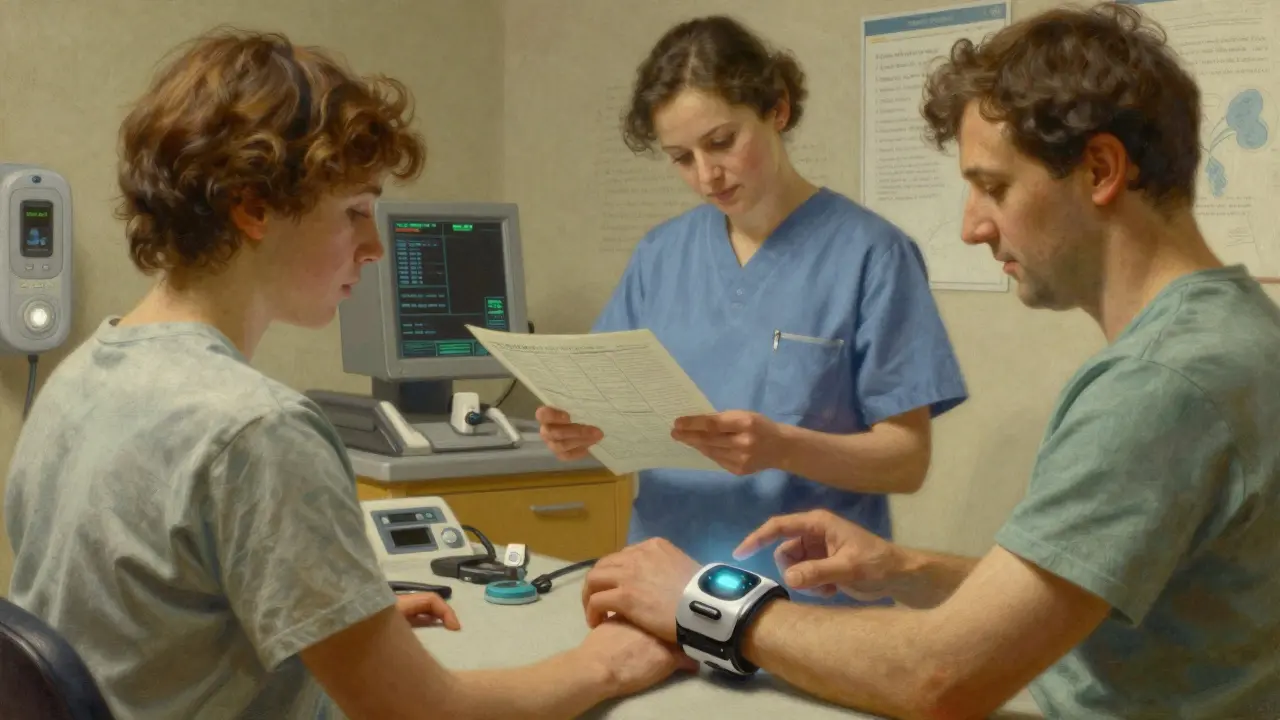
AI-driven apps are also entering the scene. Tools like the Lupus Foundation’s 'PacePartner' app use wearable sensor data to predict flare risks with 82% accuracy. These technologies promise to move us from reactive care-treating crashes after they happen-to proactive management, helping you adjust your day before exhaustion sets in. With Medicare increasing reimbursement for chronic condition management, the infrastructure for these advanced therapies is becoming more sustainable, though workforce shortages remain a challenge.
How soon after diagnosis should I start rehabilitation?
Research indicates that the greatest benefits are observed when rehabilitation is initiated within the first 12 months of symptom onset. Early intervention helps prevent the establishment of maladaptive movement patterns and mitigates rapid deconditioning.
Can I do hydrotherapy if I don't have access to a medical pool?
While medical pools offer controlled temperatures (92-96°F) and therapeutic resistance, community pools can still provide some benefit. However, ensure the water is not too cold, which can exacerbate stiffness. Always consult your therapist before starting aquatic exercises to ensure safety.
What is the "70% rule" in energy conservation?
The 70% rule suggests you should never exceed 70% of your perceived maximum capacity during any given day or task. This buffer prevents the "boom-bust" cycle, ensuring you have enough energy reserves to handle unexpected demands without triggering a multi-day crash.
Why does my therapist ask me to stop exercising during a flare?
During a severe flare, indicated by high disease activity scores (e.g., DAS28 > 5.1), inflammation is acute. Aggressive exercise can worsen tissue damage and prolong recovery. During this phase, focus shifts to gentle isometric movements and strict energy conservation until inflammation subsides.
How do I find a therapist specialized in autoimmune diseases?
Look for therapists with specific certifications in autoimmune rehabilitation or those affiliated with organizations like the American College of Rheumatology. Ask potential providers about their experience with pacing techniques and whether they use outcome measures like the COPM or HAQ-DI to track progress.