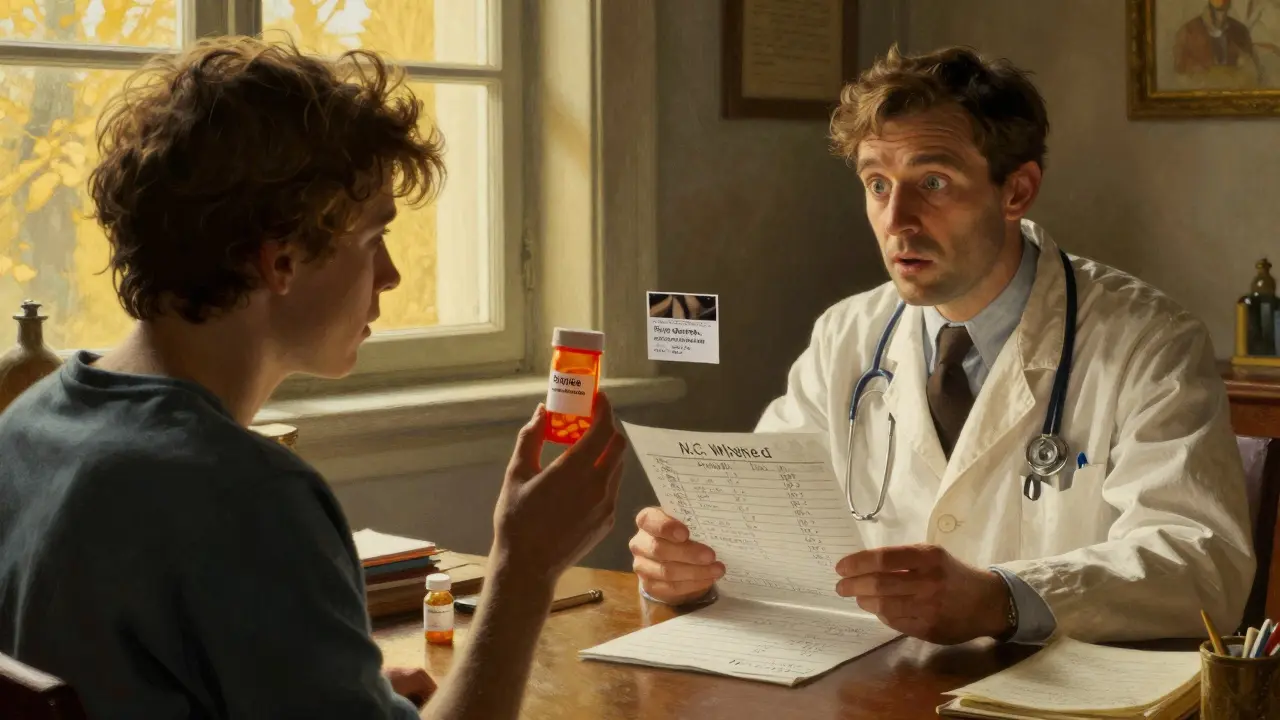
Spotting a medication error isn’t always obvious. Maybe the pills look different than last time. Maybe you were told to take two pills but the label says one. Or maybe you started feeling dizzy, nauseous, or broke out in a rash after taking something new. These aren’t just coincidences-they’re red flags. And if you ignore them, you’re putting your health at risk.
The good news? You don’t need to be a doctor to spot a mistake. You don’t need to wait for someone else to notice. You have the power to speak up-and you should. Reporting a medication error isn’t about blaming anyone. It’s about stopping the same mistake from happening to someone else.
What Counts as a Medication Error?
A medication error isn’t just taking the wrong pill. It’s anything that goes wrong between when a drug is prescribed and when it’s taken. That includes:
- Getting the wrong drug (like receiving insulin instead of metformin)
- Receiving the wrong dose (a 50mg pill instead of 5mg)
- Taking it at the wrong time (twice in one day when you were told once)
- Using the wrong route (swallowing a patch meant to be applied to skin)
- Missing a drug interaction (like taking blood thinners with ibuprofen)
- Receiving a drug you’re allergic to
- Receiving someone else’s medication
Even near-misses count. If a nurse almost gave you the wrong drug but caught it before you took it-that’s still something to report. These are the moments that reveal cracks in the system. And those cracks need fixing.
Why Reporting Matters More Than You Think
Every year in the U.S., over 1.3 million people are injured because of medication errors. That’s not a small number. It’s not a rare glitch. It’s a systemic problem.
But here’s the catch: only about 1% of serious errors are ever reported. Most go unrecorded. Why? Because people think, “It was just one time,” or “They’ll fix it,” or “I don’t want to cause trouble.”
But when you report, you’re not just protecting yourself. You’re helping hospitals, pharmacies, and clinics improve. Studies show that when organizations analyze reported errors, they can reduce similar mistakes by up to 75%. That’s not magic. That’s data.
The FDA’s MedWatch program receives around 140,000 reports a year. But experts say the real number of errors is 100 times higher. Your report could be the one that triggers a recall, changes a labeling rule, or stops a dangerous batch from reaching other patients.
How to Gather Evidence Before You Report
Don’t wait until you’re in a doctor’s office to remember what happened. Start collecting details right away. Here’s what you need:
- The medication: Keep the original bottle, box, or packaging-even if it’s empty. The label has the lot number, expiration date, and manufacturer. That’s critical.
- The prescription: Take a photo of the prescription slip or printout from your pharmacy. Compare it to what you received.
- Symptoms: Write down exactly what you felt: nausea, dizziness, rash, chest pain, confusion. Note when it started, how bad it got, and if it improved.
- Timing: When did you take the medication? When did symptoms appear? How long did they last?
- Who was involved: Did a pharmacist give it to you? Did a nurse administer it? Write down names or staff IDs if you can.
If you have visible signs-like a rash or bruising-take clear photos. These aren’t just for your records. They’re proof.
Don’t throw anything away. Don’t flush pills. Don’t return the bottle to the pharmacy without asking first. Keep everything.
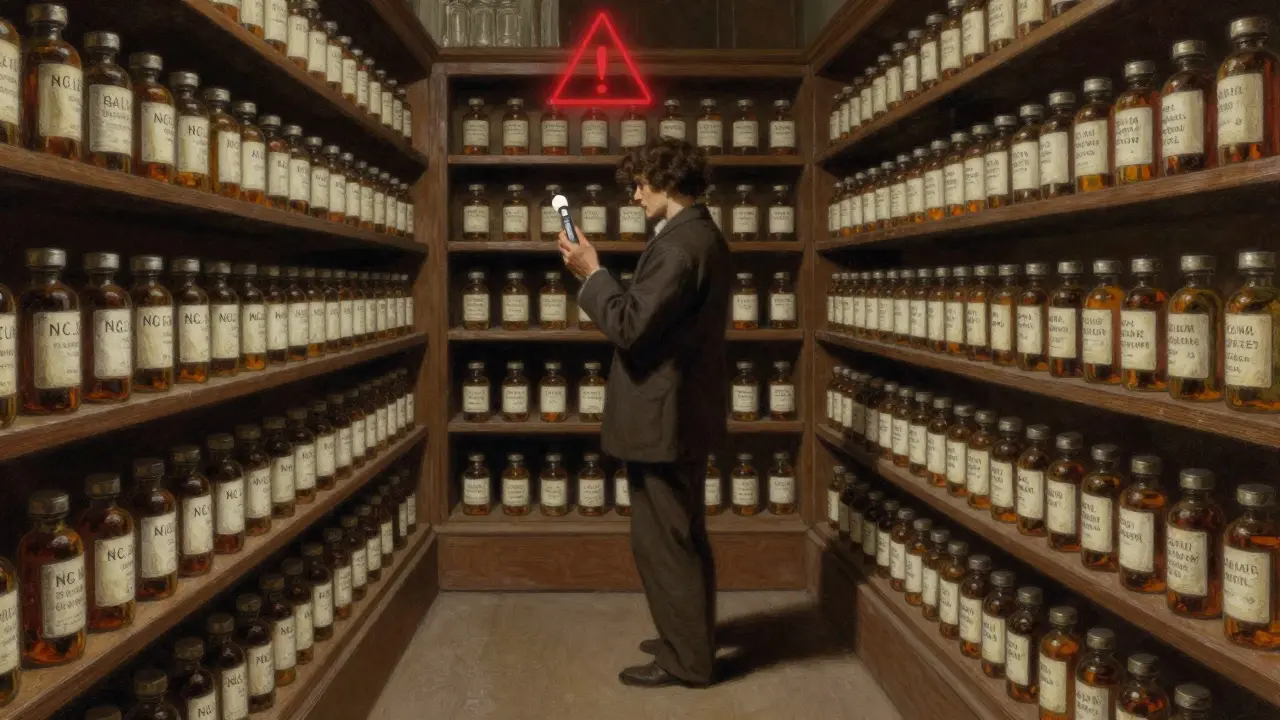
Step-by-Step: How to Report to Your Provider
Start with the person you trust most: your doctor, pharmacist, or nurse. Don’t wait for your next appointment. Call or go in.
- Be clear and calm: Say: “I believe there was a medication error. I was prescribed [drug name], but I received [what you got]. I started feeling [symptom] after taking it on [date].”
- Show your evidence: Hand them the bottle, the photo of the label, your symptom log. Don’t just describe it-show it.
- Ask for documentation: Say: “Can you document this in my medical record?” If they say no, ask why. You have the right to have this noted.
- Ask what happens next: Will they contact the pharmacy? Will they report it internally? Will they check if others got the same error?
- Follow up in writing: Send an email or letter summarizing what you said and what was agreed on. Keep a copy.
Don’t be surprised if they’re defensive. Some providers fear blame. But you’re not here to accuse-you’re here to fix. Say: “I’m not here to get anyone in trouble. I just want to make sure this doesn’t happen again.”
When to Report Outside Your Provider
What if your provider dismisses you? What if they say, “It’s not a big deal”? What if they don’t respond at all?
Then you go higher.
Report to the FDA’s MedWatch program. This is the federal system that tracks dangerous drugs and devices. You don’t need a doctor’s permission. You don’t need to be a professional. Anyone can file a report.
Go to fda.gov/medwatch and fill out the online form. It takes less than 10 minutes now-down from 25 minutes just a few years ago. You’ll need:
- Your name and contact info (you can report anonymously if you prefer)
- The drug name, dose, and lot number
- What happened to you
- Any medical records you have
MedWatch doesn’t investigate every report-but if enough people report the same error, they launch an investigation. In 2023, a single consumer report about mislabeled insulin led to a nationwide recall within three days.
You can also report to the Institute for Safe Medication Practices (ISMP). They’re a nonprofit that works with hospitals and pharmacies to fix systemic issues. Their reporting system is confidential, non-punitive, and focused on learning-not blame. They receive about 5,000 reports a year-and have helped prevent over 200 dangerous errors since 1991.
What Happens After You Report?
Don’t expect a phone call the next day. Most systems move slowly. But here’s what should happen:
- Internal report: Your provider should log the error in their safety system. They’re required to do this in accredited hospitals.
- Root cause analysis: The pharmacy or hospital should ask: Why did this happen? Was it a labeling issue? A miscommunication? A staffing problem?
- Corrective action: They should change a process-like adding a second check before dispensing high-risk drugs.
- Feedback: You should get a letter or call explaining what they learned and what they’re doing to prevent it.
But here’s the hard truth: only 36% of patients who report errors get any kind of formal response. That’s why follow-up is key. If you don’t hear back in two weeks, call again. Ask: “Was my report logged? Was it reviewed? What changes were made?”
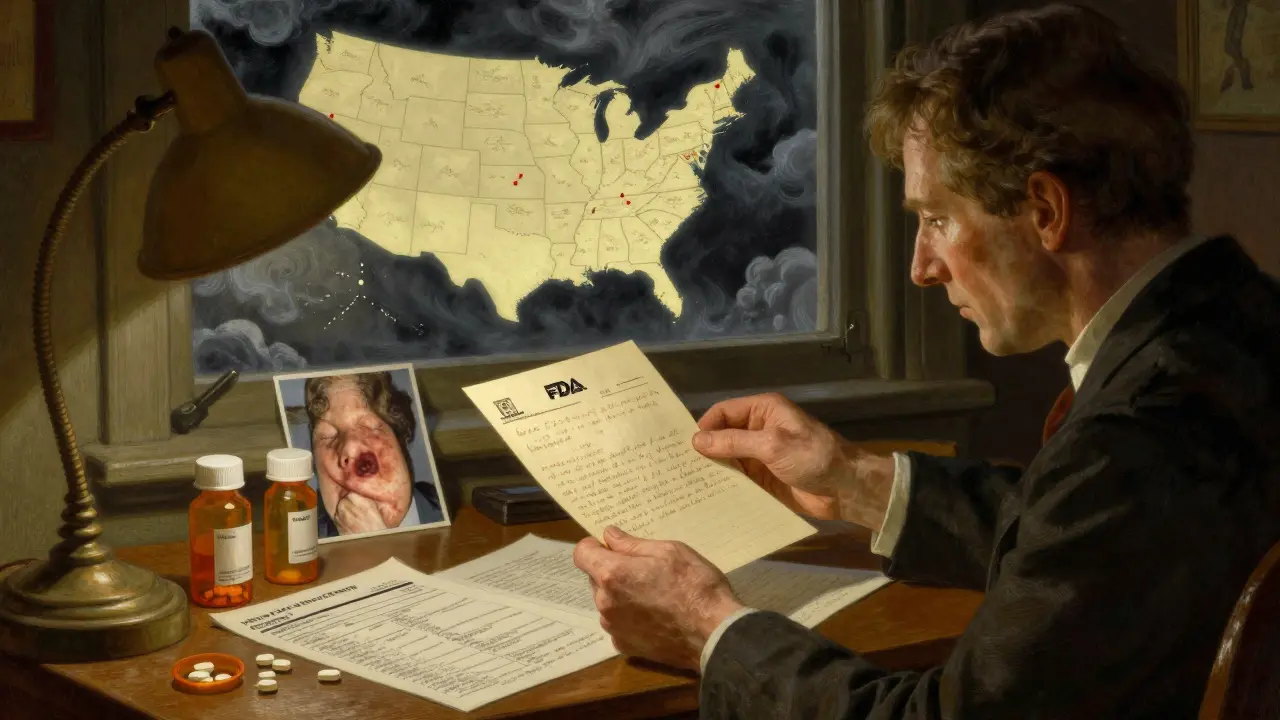
Common Barriers-and How to Overcome Them
Many people don’t report because they’re afraid. Here’s what they fear-and why it’s wrong:
- “I’ll get in trouble.” You won’t. Reporting is protected under patient safety laws. In fact, the American Nurses Association says nurses should report errors without fear of punishment.
- “They’ll think I’m overreacting.” Medication errors are common. The Institute of Medicine called them one of the most frequent medical mistakes. You’re not being dramatic-you’re being smart.
- “It’s too much work.” It’s not. Gathering info takes 15 minutes. Filing a MedWatch report takes 8 minutes. That’s less time than scrolling through social media.
- “They’ll deny it happened.” Request your medical records. By law, they must give them to you within 30 days. If they delay, file a complaint with the Department of Health and Human Services.
One patient in Texas reported a mislabeled blood thinner. She was told, “It’s not your fault.” The hospital later found 12 other patients had received the same error. Because she spoke up, they changed their labeling system.
Special Cases: Medication Errors in Schools or Nursing Homes
If the error happened in a school, nursing home, or assisted living facility, the rules are different.
In schools, staff are required by law in 48 U.S. states to report medication errors within 24 hours. Parents should get a written explanation of what happened and what’s being done to prevent it. If you don’t, call the school district’s health office. Ask for their medication error policy.
In nursing homes, report to both the facility and your state’s long-term care ombudsman. These are government advocates for residents. They can investigate and push for changes. You can find your state’s ombudsman at aoa.acl.gov.
Never assume someone else will handle it. In 2022, a government report found that only 32% of school districts made any changes after a medication error. Your voice is the only thing that moves the needle.
What You Can Do Today
You don’t need to wait for a crisis. Here’s what to do now:
- Check every prescription you get. Compare the label to what your doctor wrote.
- Ask your pharmacist: “Is this the same as last time?”
- Keep a medication list-drug names, doses, times-and update it every time something changes.
- Know your allergies. Say them out loud every time you get a new prescription.
- If you’re unsure about a drug, call the FDA’s MedWatch hotline at 1-800-FDA-1088.
Medication errors aren’t rare. But they’re preventable. And they won’t stop unless someone speaks up.
You’re not a nuisance. You’re a safeguard.
What should I do if my doctor dismisses my concern about a medication error?
If your provider ignores or dismisses your concern, document everything in writing-send an email summarizing what happened and your request for action. If you still get no response, escalate to the clinic’s patient relations department or file a report with the FDA’s MedWatch program. You have the right to be heard, and your report can trigger an investigation even without your provider’s cooperation.
Can I report a medication error anonymously?
Yes. The FDA’s MedWatch program allows anonymous reporting. You can also report to the Institute for Safe Medication Practices (ISMP) without giving your name. While providing your contact info helps them follow up, it’s not required. Your report still contributes to national safety data even if you stay anonymous.
How long do I have to report a medication error?
There’s no strict deadline for consumers reporting to the FDA or ISMP-but the sooner you report, the better. Internal healthcare facilities typically require reports within 24 to 72 hours. For serious reactions, report immediately. Evidence like medication bottles and symptom logs can degrade or disappear over time, so act quickly to preserve details.
Do I need medical records to report a medication error?
You don’t need them to file a report, but having them makes your case stronger. Request your medical records within 72 hours of the incident. Under HIPAA, providers must give them to you within 30 days. If they delay, file a complaint with the U.S. Department of Health and Human Services. Photos of labels, symptoms, and your own notes can substitute for records if they’re unavailable.
Will reporting a medication error affect my relationship with my doctor?
Most doctors respect patients who speak up-it shows you’re engaged in your care. While some may feel defensive, research shows that patients who report errors and receive a thoughtful response are more likely to trust their provider long-term. If your doctor reacts poorly, consider switching to a provider who values transparency. Your safety matters more than loyalty to a single clinician.



Andrew N
Just saw a guy on Reddit say he got metformin instead of insulin and didn’t notice until his blood sugar crashed. He kept the bottle. Took photos. Filed a MedWatch report. Three weeks later, the pharmacy chain changed their barcode scan protocol. That’s how you fix systems.
Don’t wait for someone to die before you speak up. Your report might be the one that stops the next one.
Anastasia Novak
OMG I CANNOT BELIEVE PEOPLE STILL DON’T DO THIS. Like, seriously? You let some pharmacist hand you a pill bottle with a misprinted label and you just… shrug? 🤦♀️
I once got a 10x dose of levothyroxine because the label said 50mcg but the bottle had 500mcg. I took it. Felt like my heart was trying to escape my chest. Called the pharmacy. They said ‘oops.’
I reported it. They fired the tech. Changed their entire labeling workflow. And no, I didn’t get a thank you card. But I slept better.
Stop being polite. Be terrifying. Your life depends on it.
Katrina Morris
my grandma got the wrong blood pressure med last year and she didnt say anything because she didnt wanna be a bother
i found the empty bottle in the trash and asked her why she didnt tell anyone
she said the nurse looked so tired and she didnt want to make her day worse
we reported it anyway. turned out 3 other seniors got the same mixup
now the clinic has color-coded pill bottles for elderly patients
speaking up isnt about being loud. its about being brave when its easier to stay quiet
steve rumsford
Had a friend take a pill that was supposed to be for anxiety but was actually a diabetes med. Ended up in the ER. No one apologized. No one followed up. Just said ‘it happens.’
He kept the bottle. Took a pic of the label. Sent it to MedWatch. Three months later, the FDA issued a warning about that specific batch.
Don’t let them gaslight you. Your experience is data. And data changes things.
LALITA KUDIYA
in india we dont even have proper labels on medicine bottles
my aunty took a painkiller that had no name on it just a color
she got sick and we had to take it to a chemist to identify
they said oh this is for high blood pressure not pain
we reported it to the local health office and they shut down the shop
people here think reporting is rude but its the only way to save lives
thank you for writing this
Poppy Newman
Just filed my MedWatch report after my pharmacist gave me my mom’s blood thinner instead of mine. 🤯
She didn’t even check my name. Just handed me the bottle. I didn’t notice until I got home and saw the label had her DOB on it.
Took a pic. Saved the bottle. Sent the report. No response yet… but I’m not done. If they ignore me, I’m calling the news.
❤️🩹 This needs to stop.
Anthony Capunong
Why are we letting foreigners run our healthcare system? I mean, look at this - we have a nation full of people who don’t even know what their own meds are for. That’s not incompetence. That’s cultural decay.
We need mandatory drug literacy classes in high school. No more ‘just take the white pill.’ We’re not a third-world country. We’ve got the tech, the resources - why are we letting this keep happening?
Report all you want. But fix the system. Not just the symptoms.
Aparna karwande
My cousin died because of a medication error and the hospital said it was ‘unavoidable’
they buried her in silence
but i dug up the prescription records
i found the pharmacist who mixed it up
i posted his photo on social media
he lost his license
the hospital changed their entire protocol
they called it a ‘tragic accident’
i call it murder by negligence
if you dont report - you are complicit
your silence kills more than the error ever could