OIRD Risk Assessment & Response Guide
Patient Status Inputs
Assessment Result
Enter patient data to generate a risk assessment and action plan based on current medical guidelines.
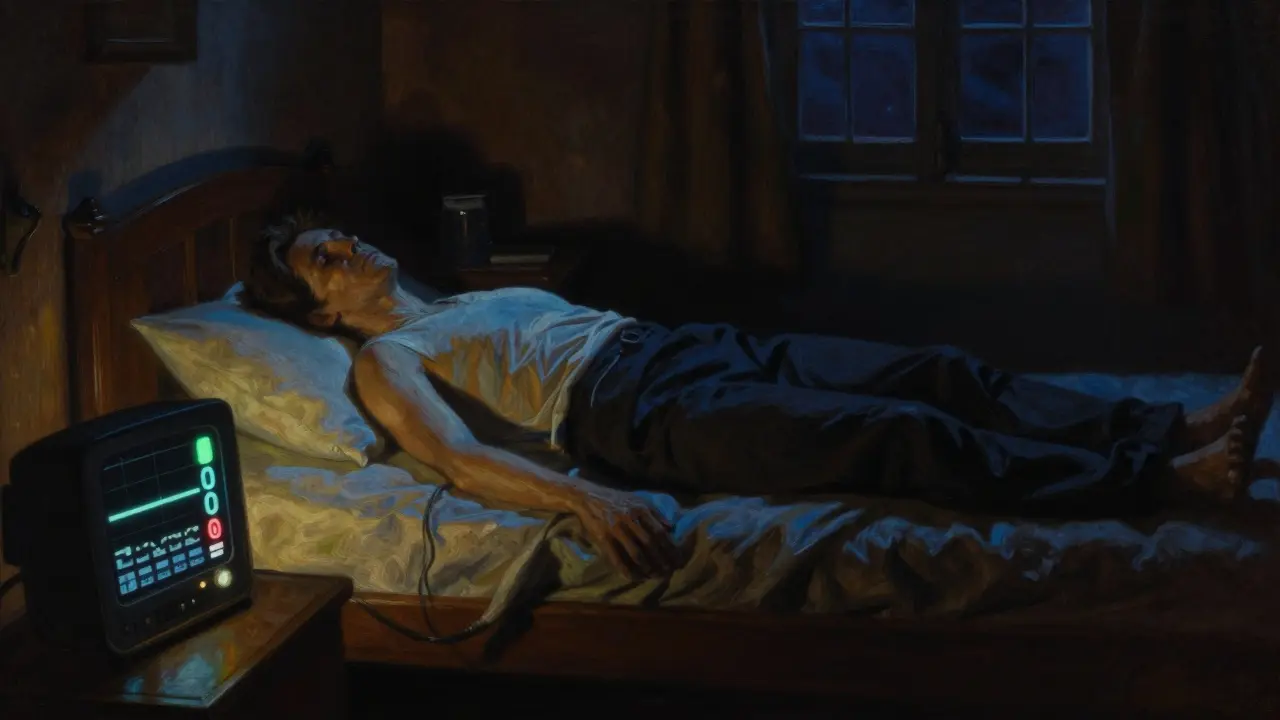
Imagine taking a painkiller for a broken leg or severe back pain. You expect relief, maybe some drowsiness, but you certainly don’t expect your breathing to stop. Yet, this is exactly what happens in Opioid-Induced Respiratory Depression (OIRD), which is a potentially fatal reduction in respiratory rate and tidal volume caused by opioid administration. It is the primary mechanism of death in opioid overdoses. According to recent data from the Centers for Disease Control and Prevention (CDC), over 107,000 drug overdose deaths occurred in the United States in 2022, with opioids involved in 80% of those cases. This isn't just a statistic; it's a physiological crisis that strikes silently, often before anyone realizes something is wrong.
For decades, we understood opioids as general depressants that slowed everything down. But recent breakthroughs have changed that view. We now know that OIRD is not a blanket shutdown of the body, but a targeted disruption of specific neural circuits in the brainstem. Understanding this shift is crucial for patients, caregivers, and medical professionals alike. It explains why standard treatments sometimes fail and why new technologies are becoming essential in emergency rooms and homes across the country.
The Hidden Mechanism: How Opioids Stop Your Breath
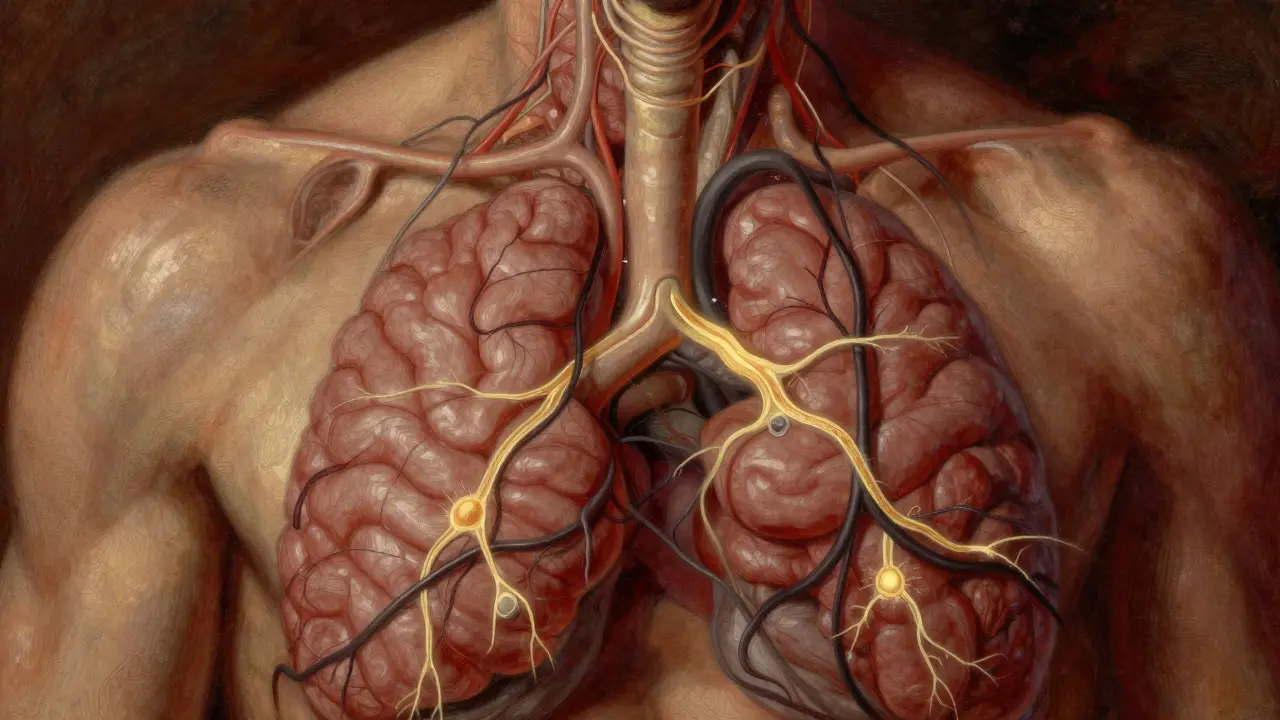
To understand why OIRD is so dangerous, we need to look at what happens inside the brain. It’s not just about "slowing down." Research published in PNAS by Liu et al. (2021) identified a specific group of neurons in the lateral parabrachial nucleus (PBL) that act like a master switch for breathing rhythm. These neurons express mu-opioid receptors. When opioids bind to these receptors, they essentially flip the switch off.
Here is the critical detail: OIRD manifests primarily as a reduced respiratory rate, not necessarily a shallow breath depth (tidal volume). In many cases, breathing arrests during the expiratory phase-the moment you exhale. A study by Palkovic et al. (2020) showed that morphine can increase the time spent exhaling from less than a second to over two seconds. This pause disrupts the natural rhythm of oxygen intake. Within 5 to 7 minutes of significant respiratory depression, arterial oxygen saturation can drop below 90%. If untreated, this leads to hypoxic brain injury, which can be irreversible.
| Parameter | Normal State | Under OIRD Influence | Clinical Significance |
|---|---|---|---|
| Respiratory Rate | 12-20 breaths/min | <8 breaths/min (severe) | Primary indicator of danger; rate drops before oxygen levels fall. |
| Expiratory Time | ~0.8 seconds | Up to 2.3+ seconds | Prolonged exhalation pauses disrupt rhythm, causing apnea. |
| Oxygen Saturation (SpO2) | 95-100% | <90% within 5-7 mins | Late sign; waiting for desaturation delays critical treatment. |
| End-Tidal CO2 (EtCO2) | 35-45 mmHg | Rises significantly | Early warning sign; detects hypoventilation before SpO2 drops. |
Why Fentanyl Makes the Problem Worse
Not all opioids are created equal when it comes to respiratory risk. The rise of synthetic opioids, particularly fentanyl and its analogs like carfentanil, has drastically altered the landscape of OIRD. Dr. Gary E. Bassingthwaighte noted in the British Journal of Pharmacology that much of the historical research used morphine doses that don't accurately model the potency of modern street drugs. Carfentanil, for instance, is up to 10,000 times more potent than morphine.
This potency creates a "therapeutic dilemma." With traditional heroin or prescription oxycodone, the window for intervention might be slightly wider. With fentanyl, respiratory depression can set in within minutes. Furthermore, synthetic opioids often require higher doses of reversal agents. Standard auto-injectors may contain insufficient naloxone to reverse a high-potency fentanyl overdose, leading to a phenomenon called "re-narcotization," where the patient stops breathing again after the initial dose wears off.
Recognizing the Signs Before It’s Too Late
One of the biggest challenges in preventing fatal outcomes is early detection. Novice clinicians often miss the initial signs of OIRD in nearly 40% of cases, according to a 2022 simulation study. Why? Because people assume that if someone is sleeping deeply, they are fine. But in the context of opioid use, deep sleep can quickly transition into unresponsiveness and respiratory arrest.
You need to look for specific red flags:
- Pinpoint Pupils: While not exclusive to opioids, constricted pupils are a common sign.
- Slow or Irregular Breathing: Count the breaths. If it’s fewer than 8 per minute, call for help immediately.
- Choking or Gurgling Sounds: Often referred to as the "death rattle," this indicates airway obstruction due to relaxed muscles.
- Unresponsiveness: Shaking shoulders, loud voices, or sternal rubs elicit no response.
- Blue or Pale Skin: Especially around the lips and fingernails, indicating low oxygen.
However, visual checks are not enough. The most praised intervention by critical care nurses is capnography-monitoring end-tidal carbon dioxide (EtCO2). A multicenter trial in 2023 demonstrated that capnography can detect OIRD approximately 62 seconds before pulse oximetry shows a drop in oxygen. This early warning system gives medical teams a crucial head start in administering life-saving interventions.
Treatment and Reversal: The Role of Naloxone
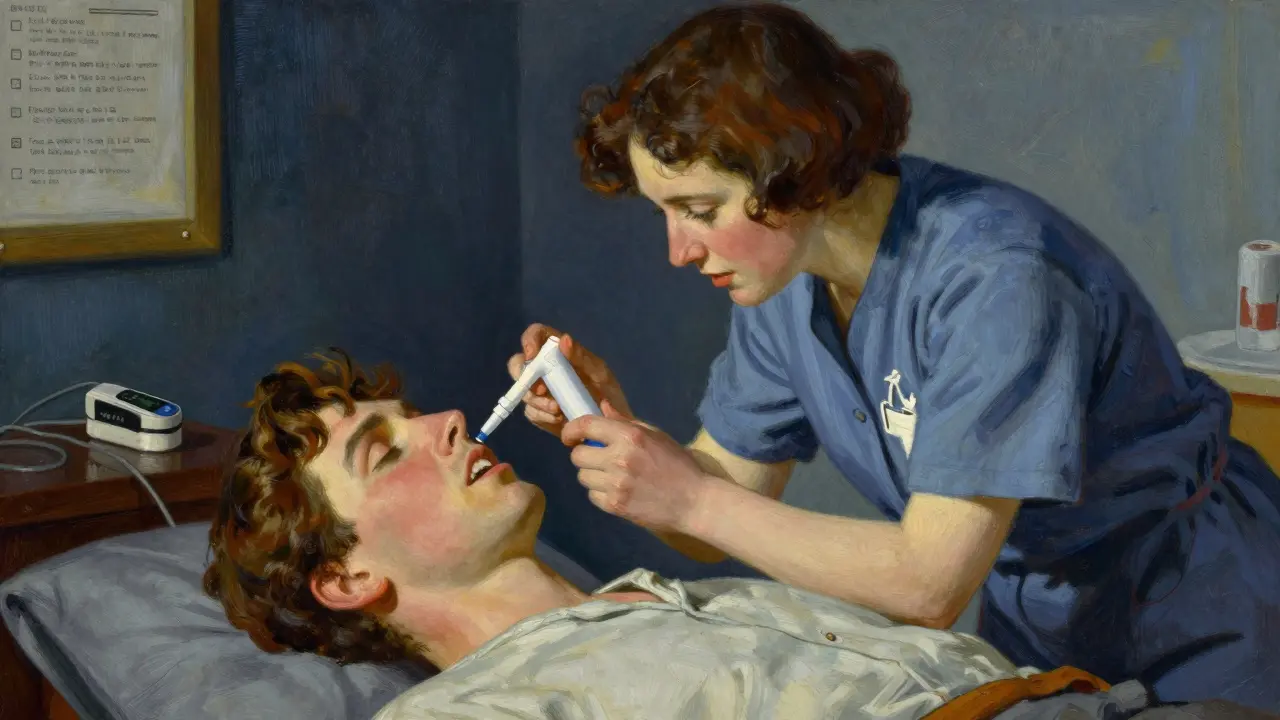
Naloxone remains the gold standard for reversing opioid overdose. It works by competitively binding to mu-opioid receptors, kicking the opioid off and restoring normal breathing. However, it is not a magic bullet without nuances. Dr. Jan-Marino Ramirez explained that because opioids affect both neuronal hyperpolarization and synaptic transmission, reversing them requires overcoming dual mechanisms. This is why some patients, especially those on high-dose synthetic opioids, may need repeated doses of naloxone.
In clinical settings, the "4-2-1 rule" is often used for titrated naloxone administration: 0.4mg IV every 2 minutes until the respiratory rate exceeds 12 breaths per minute. This approach has an 87.3% success rate according to NIH protocols. For laypeople, nasal spray formulations like Narcan® or generic naloxone are widely available. They are easy to use and have high bioavailability.
But there is a catch. Administering naloxone can precipitate acute withdrawal symptoms-nausea, vomiting, agitation, and pain. Dr. Sarah Wakeman documented that 22% of patients leave against medical advice after reversal due to these intense symptoms. This highlights the importance of post-reversal monitoring. Patients should never be left alone after receiving naloxone, as the drug’s duration of action is shorter than many opioids, leading to re-sedation.
New Horizons in OIRD Management
The medical community is actively seeking better tools to combat OIRD. The FDA approved the first OIRD-specific biosensor, the RespiRhythm Monitor, in March 2024. This device detects changes in neural activity via transcutaneous impedance, identifying respiratory distress up to 83 seconds before the breathing rate actually drops. Imagine a wearable alert that warns you before you stop breathing-that is the future of opioid safety.
Pharmaceutical research is also targeting specific neural pathways. Compounds like Brix51, which targets GPR83 receptors in the parabrachial nucleus, showed promising results in Phase II trials, recovering respiratory rates by over 78% without fully reversing pain relief. Similarly, biased agonists like TAK-861 aim to provide analgesia with minimal respiratory depression. These developments suggest a future where pain management does not come with the same lethal trade-offs.
Safety Checklist for Patients and Caregivers
If you or a loved one uses opioids, whether prescribed or otherwise, proactive measures can save lives. Here is a practical checklist based on current best practices:
- Never Use Alone: Ensure someone is present who can call for help if needed.
- Have Naloxone On Hand: Keep it accessible and check expiration dates regularly.
- Educate Your Circle: Teach friends and family how to recognize OIRD and administer naloxone.
- Start Low, Go Slow: Tolerance changes rapidly. What worked last week might be fatal today.
- Avoid Mixing Substances: Combining opioids with benzodiazepines or alcohol exponentially increases the risk of respiratory depression.
- Consider Monitoring Tools: If available, use pulse oximeters or capnography devices during high-risk periods.
- Seek Professional Support: Discuss medication-assisted treatment (MAT) options with healthcare providers to reduce reliance on high-risk substances.
Opioid-Induced Respiratory Depression is a complex physiological event, but it is not inevitable. By understanding the mechanisms, recognizing the early signs, and utilizing modern tools like naloxone and capnography, we can bridge the gap between pain relief and safety. The goal is not to eliminate opioids entirely, but to manage their risks with precision and awareness.
How long does it take for opioid-induced respiratory depression to occur?
The timeline varies by opioid type. For intravenous morphine, respiratory depression typically peaks around 20 minutes post-administration. However, with fast-acting synthetics like fentanyl, significant depression can occur within 5 minutes. This rapid onset makes immediate monitoring crucial.
Can you survive opioid-induced respiratory depression without naloxone?
It is possible if the dose is low and the person receives supportive care, such as rescue breathing and stimulation, which can sometimes wake them up enough to restore breathing. However, in severe cases involving high-potency opioids, survival without pharmacological reversal like naloxone is unlikely due to prolonged apnea and hypoxic brain damage.
What is the difference between sedation and respiratory depression?
Sedation refers to a state of calmness or drowsiness, while respiratory depression is a failure of the breathing mechanism. A key differentiator is the expiratory pause. In simple sedation, breathing remains regular. In OIRD, you will see prolonged pauses in breathing (often exceeding 1.5 seconds) and a significant drop in respiratory rate below 8 breaths per minute.
Why do some people need multiple doses of naloxone?
Naloxone has a shorter half-life than many opioids, especially long-acting ones like methadone or high-potency fentanyl analogs. Once the naloxone wears off, the opioid can re-bind to receptors, causing "re-narcotization." Additionally, synthetic opioids may require higher concentrations of naloxone to effectively displace them from the mu-opioid receptors.
Is capnography necessary for home use?
While capnography is standard in hospitals and ambulances, it is not yet common for home use due to cost and complexity. However, consumer-grade pulse oximeters are widely available and can provide valuable data on oxygen saturation. While they lag behind capnography in detecting early OIRD, they are still a useful tool for monitoring overall respiratory health in high-risk individuals.




Mark Hogan
hey man this is really helpful info thanks for sharing it. i always thought it was just about breathing slow but the part about the expiratory pause makes so much sense now. its crazy how something like a broken leg can turn into that without you noticing until its too late. i guess we gotta be more careful with these meds.
Hassan Bukhari
It is frankly astonishing that the general public requires such elementary explanations to understand basic pharmacology. The distinction between morphine and fentanyl potency is not 'news' to anyone who has spent five minutes in a medical library, yet here we are treating common knowledge as groundbreaking revelation. One must wonder if the author's intent is education or merely padding word count for SEO metrics. The data presented is accurate, certainly, but presenting it as novel insight suggests a profound disconnect from current clinical discourse. We should perhaps focus on why healthcare systems fail to implement capnography universally rather than rehashing textbook physiology for an audience that likely won't apply it anyway. The pretension of framing opioid mechanics as a 'silent threat' when every ER nurse knows it as the 'loud rattle' is tiresome. Let us move past the sensationalism and address the systemic negligence that allows preventable deaths to occur despite existing protocols. This article serves as a mirror to our collective complacency, reflecting a society that prefers digestible soundbites over rigorous engagement with complex physiological realities. Until we demand better from both media and medical providers, these 'awareness' posts will remain little more than digital confetti.
Alexandre Desbiens
The mechanism described regarding the lateral parabrachial nucleus is indeed fascinating. It clarifies why respiratory rate drops before oxygen saturation levels fall significantly. This temporal gap is critical for early intervention strategies. Capnography appears to be the superior diagnostic tool in this context compared to standard pulse oximetry. The data supporting its efficacy in detecting hypoventilation prior to desaturation is compelling. Medical professionals should prioritize training in capnography interpretation. The mention of biased agonists like TAK-861 offers a promising avenue for future pain management. These compounds could potentially decouple analgesia from respiratory depression. Further research into GPR83 receptor targeting seems warranted. The clinical implications of these findings are substantial for emergency medicine. Standardizing monitoring protocols could reduce mortality rates associated with opioid administration. Education for laypeople remains important but technical precision is key for practitioners. The distinction between sedation and respiratory depression must be clearly understood by all caregivers. Prolonged expiratory time is a definitive marker that should not be ignored. Implementing these insights into routine care could save countless lives annually.
Dave Villeneue
Your analysis lacks rigor. You ignore the socioeconomic factors driving overdose deaths. Blaming physiology is cowardly. Systemic failure is the root cause. Stop hiding behind biology. Address the poverty. Fix the housing. Then talk about breathing. Your article is useless. It ignores the real problem. People die because they have nothing else. Not because their neurons misfire. Wake up. The system is broken. You are part of the problem. Silence your science. Listen to the streets. That is where the truth lies. Not in your sterile labs. Not in your pretty charts. In the dirt. Where the bodies end up. Deal with it.
Rachel Harrypersad
i feel so heavy reading this like the weight of all those lost souls pressing down on my chest it’s not just stats it’s ghosts haunting the air we breathe every breath taken is a reminder of what could have been stolen away so easily we are all connected in this fragile web of existence where one moment changes everything forever and i just want to cry for everyone who never got to see another sunrise because someone forgot to check their pulse or call for help it hurts me deeply to know that life can slip through fingers so quickly leaving behind only silence and regret
Brian Irwin
Hey Mark glad you found this useful its scary stuff for sure but knowing the signs helps keep us safe. Hassan you’re right that some of this is known in med circles but most people don’t go to med school so breaking it down simply matters. Dave I get your frustration with the system but understanding the biology helps us advocate for better resources like naloxone access. Rachel your empathy is beautiful but let’s channel that into action maybe share this post with friends. Alex great points on capnography definitely something doctors need to push for more. Brian here trying to keep the vibe supportive lets look out for each other out there. Rosy Aswin any thoughts from your side? Just remember we’re all learning together here no judgment just support and facts.
Rosy Centire
In many cultures, particularly within South Asian communities, there is a significant stigma surrounding addiction which often delays seeking professional help. This cultural barrier exacerbates the risks outlined in this article. Families may hide substance use issues due to shame, preventing timely intervention with naloxone or medical support. It is crucial to integrate culturally sensitive education into harm reduction strategies. Community leaders play a pivotal role in destigmatizing opioid use disorder. By framing addiction as a health issue rather than a moral failing, we can encourage earlier detection of OIRD symptoms. The concept of 'saving face' must not supersede saving lives. Healthcare providers must be trained to recognize these cultural nuances. Building trust within marginalized communities is essential for effective outreach. Public health campaigns should feature diverse voices to resonate with different demographics. Collaboration between traditional healers and modern medicine can bridge gaps in care. Awareness of social determinants of health is vital for comprehensive treatment plans. We must address the root causes while providing immediate life-saving tools. Education empowers individuals to break cycles of silence and secrecy. Together we can create safer environments for recovery and prevention.
Aswin Ashokan
western medicine fails again. your drugs kill. natural remedies work better. why do you rely on chemicals? ancient wisdom ignored. you suffer because you reject balance. opioids are poison. stop blaming victims. fix your lifestyle. eat clean. meditate. breathe naturally. no needles needed. your science is flawed. listen to elders. they know truth. you chase money not health. shameful. wake up west. learn from east. survive.